What Are the Best LED Spotlights to Buy?

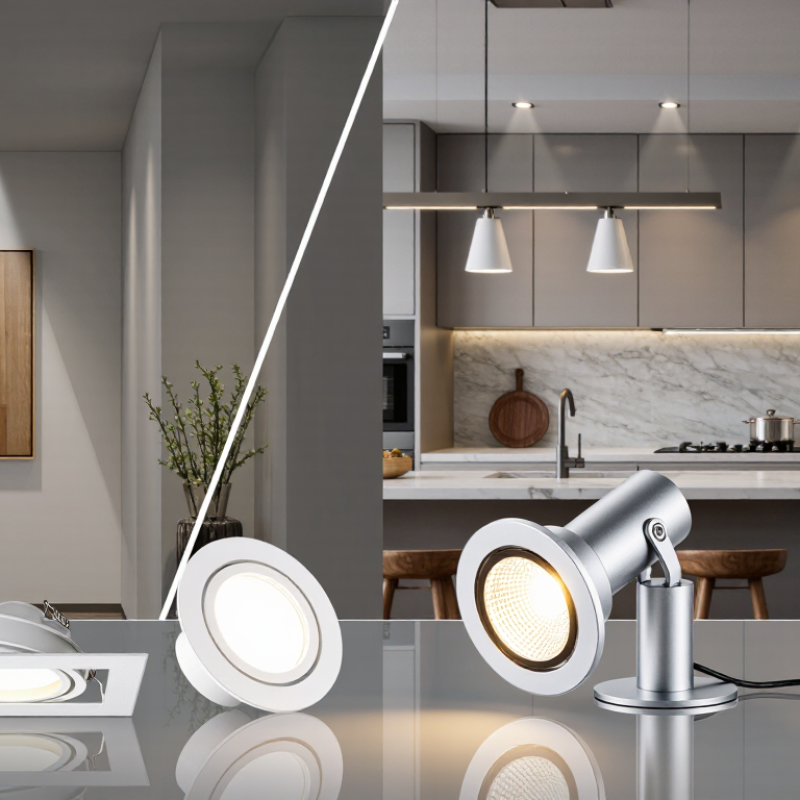
Choosing the best LED spotlights is not simply a matter of picking the brightest bulb. A good choice depends on where the light will go, how it will feel, and whether the fitting suits your existing setup. In a hallway, a narrow beam can highlight a painting or brighten a dark corner. Over a kitchen counter, a wider beam may provide more even light with fewer distracting shadows. Small differences matter.

This guide to Led Spotlights explains the specifications worth checking before you buy. Lumens indicate brightness, while beam angle affects how broadly the light spreads. Colour temperature can make a room feel warm and relaxed or crisp and focused. Colour rendering is worth considering when accurate colours matter, such as above a worktop or dressing table. Check the spotlight’s fitting type, dimmer compatibility, and stated lifespan against the manufacturer’s information. For bathrooms or other damp areas, confirm that the product’s ingress protection rating suits the installation location.

There is no single best option for every room. A high lumen figure does not guarantee comfortable lighting, and a low price may not reflect long-term value. Still, specifications cannot predict every real-world result; ceiling height, wall colour, and fixture placement all affect the effect. If wiring or fitting requirements are unclear, consult a qualified electrician. The sections ahead compare practical features, common spotlight types, and buying considerations, helping you narrow the choices without relying on marketing claims alone.
What Are the Best LED Spotlights to Buy?

What LED Spotlights Are and How They Produce Light

An LED spotlight is a directional lamp: its lens or reflector concentrates light on a counter, artwork, or work surface. Inside, a semiconductor diode emits light when electric current passes through it. Many white LEDs use a blue-emitting diode and a phosphor layer that converts some blue light into broader wavelengths. The mixture appears white. A small driver regulates current, while a heat sink moves excess heat away from the diode. LEDs run cooler than incandescent bulbs, but they are not heat-free.

Beam angle changes what the spotlight does. A narrow beam creates a bright pool with sharper edges; a wider beam spreads light across a larger area. Look closely at a kitchen counter: a poorly aimed spot can leave one bright circle and gloomy gaps beside it. Color temperature also matters. Warm white often feels softer, while cooler white can make fine details easier to distinguish. Neither setting suits every room. I still think packaging can make these choices seem simpler than they are.

Efficiency is one reason LED spotlights are common. The U.S. Department of Energy reports that LEDs use at least 75% less energy and can last up to 25 times longer than incandescent lighting. Those figures compare broad lighting categories, not every spotlight in every installation. Actual performance depends on the lamp, driver, airflow, and usage. A recessed fitting with poor ventilation may shorten component life. Check beam angle, brightness, color rendering, and dimmer compatibility together—not just watts.

Which LED Spotlight Types Serve Different Purposes

What Are the Best LED Spotlights to Buy?
Which LED Spotlight Types Serve Different Purposes

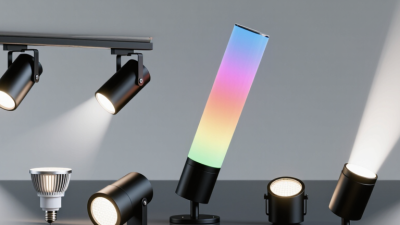
Choosing a spotlight starts with the job, not the fixture’s appearance. Narrow-beam LEDs create crisp pools of light on artwork, shelves, or architectural details. Medium-beam options suit kitchen counters and reading areas, where focused light should cover a useful surface. Wide-beam spotlights spread light across hallways or small rooms. Check beam angle and lumens together; a bright, narrow beam can still leave nearby areas dim.

Color temperature also affects the result. Warm white can make a living room feel softer, while neutral or cool white often helps details stand out in work areas. The U.S. Department of Energy reports that residential LEDs use at least 75% less energy and can last up to 25 times longer than incandescent lighting. Those figures describe LEDs broadly, not every spotlight model. Quality, heat management, and dimmer compatibility still vary. A label alone is not proof of good performance.

Tips: Aim a narrow beam at a feature, not eye level. For a counter, test the light at night and watch for hand shadows. If possible, compare beam spread before buying. It is easy to overlook glare.

Which Features Matter Most When Comparing LED Spotlights

When comparing LED spotlights, look beyond wattage. Lumens show total light output, while beam angle and center-beam intensity indicate how tightly light lands on a wall, counter, or display. A narrow beam can create a crisp accent, but may leave nearby surfaces dim. Check color temperature and color-rendering index (CRI), too: warm light often feels softer at home, while a higher CRI helps colors appear more faithful. The U.S. Department of Energy’s LED lighting guidance reports that LEDs use at least 75% less energy and can last up to 25 times longer than incandescent lighting. Those figures describe LEDs broadly, not every spotlight model.

Tips: Match the beam to the task. Check dimmer compatibility, stated lifespan, and any bathroom or outdoor ingress-protection rating. For artwork or food, compare CRI claims and, if possible, view the light in person.

A good spotlight should balance brightness, beam control, color quality, and heat management. Read the fine print on replaceable lamps versus integrated units; repair options can differ. Specifications still leave room for uncertainty. A fixture may look excellent on paper but feel harsh on a glossy tabletop, so consider glare and mounting position before buying.

What Are the Best LED Spotlights to Buy? — Which Features Matter Most When Comparing LED Spotlights
Spotlight Type Typical Power Typical Light Output Common Beam Angle Features to Compare Best Suited For Check Before Buying
GU10 LED retrofit bulb About 3–7 W About 250–600 lm Often 25°–60° Beam angle, dimmer compatibility, colour temperature, colour rendering (CRI) Replacing mains-voltage spot bulbs in compatible recessed or track fittings Confirm the fitting uses a GU10 base and that the bulb’s size and dimming type are compatible.
MR16 LED retrofit bulb About 3–7 W About 250–600 lm Often 15°–60° Transformer compatibility, beam angle, flicker performance, colour temperature Low-voltage spotlight fittings where a narrow or controlled beam is wanted Check the bulb base and supply voltage; many MR16 fittings use 12 V and require a compatible transformer.
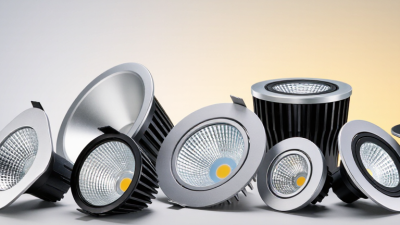
Integrated LED recessed spotlight About 4–12 W About 300–1,000 lm Often 30°–60° Cut-out size, glare control, dimming, insulation and fire-rating requirements New or replacement ceiling installations in kitchens, hallways and living spaces Check ceiling cut-out dimensions, installation depth, wiring requirements and local building rules.
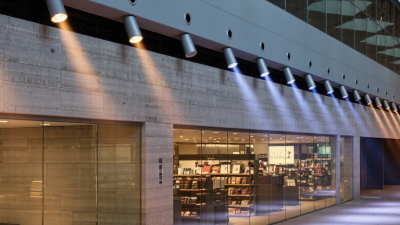
LED track spotlight About 5–20 W per head About 400–1,800 lm per head Often 15°–60° Track-system compatibility, adjustable head, glare control, CRI and beam spread Adjustable accent lighting for displays, artwork, work areas and open-plan rooms Track connectors and electrical systems are not universal; verify compatibility before purchase.
Outdoor LED spotlight About 5–30 W About 400–3,000 lm Often 10°–60° IP rating, beam direction, corrosion resistance, sensor or timer options Lighting paths, entrances, garden features and exterior walls Choose an IP rating suitable for the exposure and installation location; follow electrical safety requirements outdoors.
High-CRI accent spotlight About 4–15 W About 300–1,200 lm Often 15°–40° CRI, colour consistency, colour temperature and low-glare optics Highlighting artwork, merchandise, textured surfaces and food displays For more faithful colour appearance, look for a stated CRI of 90 or higher; compare colour quality as well as brightness.
Typical ranges are indicative, not guarantees; specifications vary by model and design. For a useful comparison, match the required light output and beam angle first, then check fitting compatibility, colour temperature, CRI, dimming support and the appropriate IP rating.

How Brightness, Beam Angle, and Color Temperature Affect Choice

What Are the Best LED Spotlights to Buy?

A good LED spotlight suits the task, not just the room. Check its lumen output, but remember that brightness alone can mislead. A narrow beam concentrates light on a small area, making a shelf or artwork stand out. A wider beam spreads light across a larger surface, which can feel more comfortable in a hallway. Think about distance, too: a spotlight mounted high above a counter may need a tighter beam than one placed nearby. Small details matter.

Color temperature changes how a space looks. Around 2700–3000 kelvin gives a warm, relaxed glow, while 4000 kelvin appears cleaner and more neutral. Cooler light can help with detailed work, but it may make a living space feel stark. Look for a high color-rendering index when accurate colors matter, such as when lighting food or artwork. I still find color labels hard to judge from a screen. A sample in the actual room is more useful.

Match the spotlight to the surface and the job. Glossy tiles can create distracting glare, while textured walls may benefit from a wider beam. If the light will be dimmed, check that the spotlight and dimmer are compatible. Test it after dark, when reflections and shadows are easier to notice. One bulb can feel brighter than expected. Don’t overlook that.

Choosing an LED spotlight

Bars show representative brightness targets; the line shows representative beam angles. These are practical examples, not fixed standards: accent lighting often uses about 200–400 lm and a 15–25° beam, task lighting about 400–800 lm and 25–40°, and wider-area lighting about 700–1,300 lm and 40–60°. Choose warm white (about 2700–3000 K) for a cozy feel, neutral white (about 3500–4000 K) for general tasks, or cool white (about 5000–6500 K) for a crisp appearance. Check the fixture’s actual lumen output and beam spread before buying.

How to Choose LED Spotlights for Your Space

Choosing the right beam Choosing LED spotlights starts with the job each beam needs to do. For a kitchen counter, look for a focused beam that lights the work surface without casting a hard shadow. A wider beam may suit a hallway or living area. Check lumens for brightness and beam angle for coverage; neither number works alone. Warm white, around 2700–3000 K, often feels comfortable in bedrooms, while neutral white can make task areas feel clearer. For natural-looking colors, consider a color rendering index (CRI) of 90 or higher. Small detail, big difference.

Fit, efficiency & testing Fit matters just as much. Measure the ceiling cutout, check whether the fixture can be tilted, and confirm that its dimmer is compatible. For bathrooms or covered outdoor areas, check the fixture’s moisture rating rather than guessing from its appearance. The U.S. Department of Energy’s Energy Saver guidance says LEDs use at least 75% less energy and last up to 25 times longer than incandescent lighting. Those figures are broad LED comparisons, not a guarantee for every spotlight. I would not choose by lumen count alone. A small room can feel glaring when several narrow beams overlap, and a paper plan may not reveal that. If possible, test one fixture at night before committing to a full set.

dLED: retail LED lighting
Privacy Overview

This website uses cookies so that we can provide you with the best user experience possible. Cookie information is stored in your browser and performs functions such as recognising you when you return to our website and helping our team to understand which sections of the website you find most interesting and useful.