China Top 10 LED Retail Display Manufacturers

Choosing a Led Retail Display manufacturer involves more than comparing screen prices. Retailers must consider image quality, cabinet design, installation needs, and long-term service. A bright display can attract attention in a sunlit shop window, while fine pixel pitch can keep product images sharp at close range. The right choice depends on the store, not just the specification sheet.

This guide to China’s top 10 LED retail display manufacturers offers a practical starting point for evaluating suppliers. It considers product range, customization, manufacturing experience, quality controls, and support after delivery. Buyers should also review clear product specifications, project photos, warranty terms, and response times before making a decision. Details matter. Ask how the display handles heat, how modules are replaced, and what installation guidance is included. These questions can reveal gaps that a polished catalog may not show.

No list can rank every company perfectly for every project. A small boutique and a multi-site retailer may need very different screens, budgets, and service arrangements. Treat the selection as a shortlist, then confirm claims directly with each manufacturer. That extra step takes time. It may also prevent costly surprises once the display is on the wall.
China Top 10 LED Retail Display Manufacturers

What LED Retail Displays Are and How They Support Modern Stores

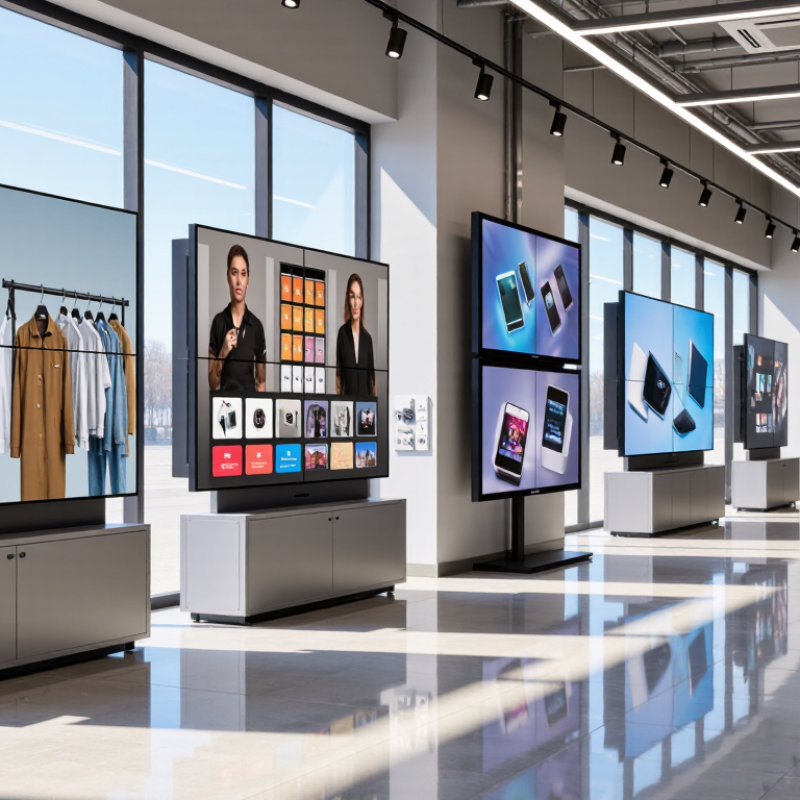
LED retail displays are electronic screens used for promotions, product information, wayfinding, and live campaign updates. Unlike printed posters, they can change content throughout the day. A breakfast offer can give way to an evening promotion, while bright product visuals catch attention near an aisle entrance. Small details matter: viewing distance, glare from shop windows, screen brightness, and text size all affect readability.

The opportunity is growing, but market figures cover different types of digital signage. Grand View Research valued the global digital signage market at USD 28.83 billion in 2024 and forecast an 8.1% compound annual growth rate from 2025 to 2030. eMarketer estimated U.S. retail media advertising spending at USD 54.85 billion in 2024, with further growth projected for 2025; that figure includes more than in-store screens. Together, these reports point to rising investment in digital retail communication, not a guarantee that every display will pay off. That distinction matters.

A well-placed LED screen can help staff update prices or highlight stock without reprinting signs. It can also make a store feel noisier if every screen flashes competing messages. Not magic. Retailers should test content in the actual space, measure engagement or sales changes, and adjust brightness and timing. Some screens may simply be too much.

How China’s LED Retail Display Manufacturing Industry Is Organized

China’s LED retail display industry is organized as a layered supply chain, not a single factory process. Chip and packaging suppliers provide light sources; module makers assemble pixels onto circuit boards. Cabinet producers then build frames suited to indoor walls, shop windows, or larger retail atriums. Some manufacturers manage several stages, while others rely on specialist partners.

That division affects what buyers can customize. A retail project may specify a 1.5-millimeter pixel pitch, front-serviceable modules, and cabinets light enough for a narrow storefront wall. The display maker coordinates these choices with control-system providers and local installers.

TrendForce’s 2024 LED Display Market Outlook estimated the global market at about US$7.5 billion in 2023, with annual growth near 14%. This figure describes the worldwide market, not China’s factory output, so it should not be read as a China-only measure.

Not always simple. Export-oriented suppliers often handle product design, assembly, testing, and shipping, while regional partners manage installation and maintenance. Buyers should ask who owns calibration, spare modules, and warranty response after handover.

A low cabinet price may hide costly service gaps. Supplier websites rarely explain that distinction clearly. Even experienced teams can overlook it.

Key Criteria for Evaluating Chinese LED Display Manufacturers

Choosing among China’s top LED retail display manufacturers requires more than comparing quoted prices. AVIXA’s 2024 Industry Outlook and Trends Analysis forecasts global professional AV revenue reaching $325 billion by 2029, reflecting growing demand for dependable visual systems. For buyers, the useful question is whether a supplier can prove performance under real operating conditions. Request measured brightness, color uniformity, refresh rate, and power consumption—not just headline specifications. Test a sample with moving video and small text. Test it live.

Inspect production controls and documentation. Ask for aging-test records, calibration procedures, component traceability, and written warranty terms. Check whether stated ingress protection follows IEC 60529 and whether electrical safety documentation is relevant to the intended installation. A certificate alone does not prove every finished display meets your needs. Review spare-module availability, repair response times, and the supplier’s process for handling defects. A bright showroom can hide heat buildup or uneven colors after hours of use; this deserves a careful pilot, even when it delays purchasing.

Tips: Compare several samples at the same viewing distance and camera settings. Record readings and test results. If a specification cannot be verified, treat it as an open question, not a proven advantage.

Profiles of Ten Leading LED Retail Display Manufacturers in China

Profiles of ten leading LED retail display manufacturers in China are useful when they show how products perform in real stores, not just in polished demonstrations. Compare pixel pitch, brightness, refresh rate, cabinet depth, and front-service access. A bright shop window at noon needs different specifications from an indoor cosmetics wall viewed at close range. Details matter. Ask how each supplier manages color consistency across cabinets and replaces a failed module. Published specifications rarely reveal the full maintenance experience.

The market context is substantial, but figures need careful interpretation. Grand View Research estimated the global digital signage market at US$28.83 billion in 2023 and forecast an 8.1% compound annual growth rate from 2024 to 2030. This category includes more than LED displays, so it should not be treated as an LED retail sales figure.

Across ten manufacturer profiles, useful distinctions include fine-pitch indoor screens, transparent window displays, modular cabinets, and custom installation support. Check warranty terms, sample testing, and spare-parts availability alongside image quality.

One limitation remains: supplier case studies may not show long-term performance under everyday store conditions. That deserves scrutiny.

Products, Technologies, and Retail Applications Offered by These Manufacturers

China’s leading LED retail display manufacturers offer more than large, bright screens. Their product ranges often include fine-pitch indoor panels, weather-resistant outdoor displays, transparent LED, and flexible screens for curved surfaces. Retailers use these formats for window promotions, aisle signage, product launches, and large storefront façades. The right display depends on viewing distance, ambient light, installation space, and maintenance access. A bigger screen is not always better.

Technology choices shape the result. High refresh rates support smooth video, while calibration helps maintain consistent color across multiple panels. Some systems include remote content management, brightness adjustment, and monitoring tools. These features can simplify daily operation, but they still need reliable network access and trained staff. A display may look impressive in a showroom and feel too bright or distracting in a real store. On-site testing matters.

Tips: Check pixel pitch from the customer’s usual viewing distance. Ask about service access, spare modules, power use, and warranty coverage. Test content in the actual lighting conditions. Small details matter. A little glare can undo careful design.

Typical Pixel-Pitch Ranges by Retail LED Application

Pixel pitch is the distance between LED pixels; smaller pitches generally suit closer viewing. These indicative ranges illustrate common application requirements and are not specifications for any particular manufacturer or product.

dLED: retail LED lighting
Privacy Overview

This website uses cookies so that we can provide you with the best user experience possible. Cookie information is stored in your browser and performs functions such as recognising you when you return to our website and helping our team to understand which sections of the website you find most interesting and useful.