What Are the Best Mining Loaders from China?
Choosing the best Mining Loaders from China requires more than comparing engine power or purchase prices. The right machine must fit the mine, material, tunnel profile, and service conditions. Chinese manufacturers, including XCMG, LiuGong, SANY, and SDLG, offer different strengths across surface and underground applications. Their product ranges include wheel loaders, compact loaders, and underground load-haul-dump machines.
A practical review should examine rated payload, bucket capacity, breakout force, cycle time, ground clearance, and turning radius. These details become visible beside a stockpile or inside a narrow drift. A loader that moves quickly may still struggle with wet clay, fractured rock, or steep ramps. Fuel use matters, too. So do cooling performance, operator visibility, cabin comfort, braking systems, and parts availability. Helena Hedblom, Epiroc’s President and CEO, has stated, “Safety is always our highest priority.” That principle should guide every comparison.
Field experience also changes the verdict. A machine can look excellent in a brochure but lose productivity when filters clog, tires wear early, or technicians wait for imported components. Buyers should request test results from similar mines, not only laboratory figures. They should inspect weld quality, hydraulic response, diagnostic functions, and maintenance access. Telematics can help, but data does not replace an experienced operator. No comparison is perfect. Local dealers may present inconsistent information, and published specifications can change by configuration. Therefore, this guide evaluates Mining Loaders through measurable performance, operating practicality, safety, and long-term support. The “best” Chinese loader may not be the most powerful one. It may be the machine that keeps moving, safely and economically, every working shift.
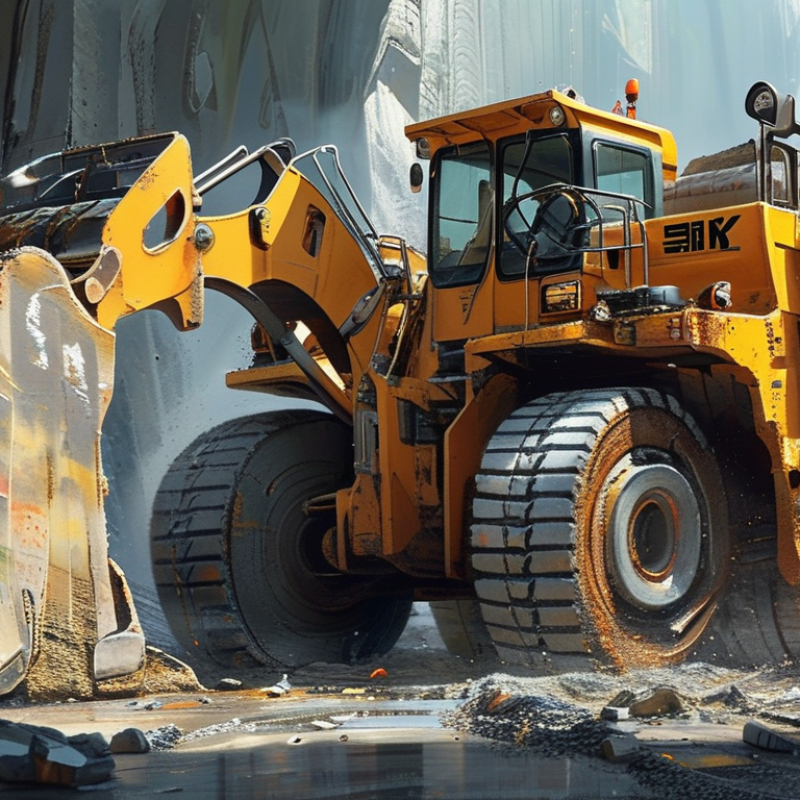
Key Features of China’s Best Mining Loaders
China’s best mining loaders combine high breakout force, simple maintenance, and adaptable power systems. Their strongest feature is often practical durability. Reinforced buckets handle abrasive rock, while articulated frames improve turning in narrow haul roads. According to PwC’s Mine 2024 report, the world’s 40 largest mining companies generated about $925 billion in revenue during 2023. Yet profit fell sharply, increasing pressure to reduce downtime and operating costs. A loader that starts quickly after maintenance can therefore create measurable value.
Electric and diesel-electric options are becoming more important underground. The International Energy Agency’s Global Critical Minerals Outlook 2024 shows continued growth in demand for minerals used in clean-energy technologies. This trend may increase mine production requirements. Electric loaders can lower underground ventilation demand and reduce local emissions. Automated control, payload monitoring, and operator-assistance cameras also improve consistency. However, technology is not automatically better. Poor network coverage, untrained operators, or difficult battery servicing can limit real performance. That weakness deserves honest attention.
Tips: Check the loader against your rock type, tunnel width, bucket capacity, and service conditions. Ask for verified cycle-time and fuel-use data from similar mines. Review compliance with ISO 19296 for mobile mining-machine safety. In field experience, easy access to filters and hydraulic points often matters more than impressive screen functions. Spare-part availability matters too. A small delay can stop an entire shift.
Main Types of Chinese Mining Loaders
Chinese mining loaders generally fall into three practical groups: underground LHD loaders, surface wheel loaders, and compact articulated loaders. LHD machines scoop broken rock, carry it through narrow drifts, and dump it into trucks or crushers. Their articulated frames reduce turning space requirements. Low-profile designs help them work beneath restricted roof heights.
Surface wheel loaders handle larger stockpiles and open-pit loading areas. They usually offer larger buckets, stronger axles, and better visibility around haul roads. Compact articulated loaders suit smaller mines, tunnels, and irregular work zones. Their smaller turning radius can improve maneuverability, although productivity may drop during long-distance hauling.
Power systems create another important division. Diesel Loaders remain common where refueling is simple and underground ventilation is sufficient. Battery-electric loaders produce less local exhaust and less heat, which can reduce ventilation pressure. Charging time still affects shift planning. Remote-controlled loaders improve operator safety near unstable faces and fragmented rock. Yet control quality depends on cameras, signal coverage, and operator training.
No loader fits every mine. A reliable selection should compare bucket capacity, breakout force, ground clearance, brake performance, service access, and spare-parts support. Operators should inspect the frame joints, tires, hydraulic lines, and warning systems before each shift. Chinese manufacturers offer many configurations, but published specifications may not reflect harsh gradients, wet muck, or abrasive rock. That gap needs honest field testing. Small details matter.
What Are the Best Mining Loaders from China? - Main Types of Chinese Mining Loaders
| Loader Type | Typical Payload | Typical Bucket Capacity | Power System | Main Mining Application | Key Advantages | Important Limitations |
| Underground Diesel LHD | 1.5–14 tonnes | 0.6–7.0 m³ | Diesel engine, generally turbocharged | Loading and hauling ore in underground hard-rock mines | High mobility, long operating range, and suitability for irregular underground headings | Produces exhaust emissions and heat; requires effective underground ventilation |
| Underground Electric LHD | 1.5–14 tonnes | 0.6–7.0 m³ | Battery-electric or cable-electric drive | Ventilation-sensitive underground mines and low-emission operations | Low local emissions, reduced heat output, and lower noise than diesel equipment | Charging or cable infrastructure is required; battery weight and charging time affect productivity |
| Side-Dump Underground Loader | 3–10 tonnes | 1.5–5.0 m³ | Diesel or electric | Narrow tunnels, drift development, and loading into side-positioned haulage systems | Can discharge material sideways where turning space is limited | Side-dump configuration can be less versatile for conventional front loading and may require careful positioning |
| Underground Articulated Loader | 6–18 tonnes | 3.0–9.0 m³ | Diesel or battery-electric | Medium and large underground production areas with long haul distances | High breakout force, strong traction, and better maneuverability than rigid-frame machines | Requires wider galleries and has higher purchase, maintenance, and operating costs |
| Remote-Controlled LHD | 3–18 tonnes | 1.5–9.0 m³ | Diesel, cable-electric, or battery-electric | Remote mucking near unstable ground, drawpoints, and blasting zones | Keeps operators away from hazardous areas and can improve safety in remote loading operations | Needs reliable communication, cameras or sensors, operator training, and suitable site layout |
| Surface Wheel Loader | 2–30 tonnes | 1.0–18.0 m³ | Diesel engine, with hydrostatic or powershift transmission | Open-pit mines, stockpiles, crushing plants, and aggregate handling areas | Fast material handling, flexible attachment options, and easy access for surface maintenance | Not designed for confined underground headings or steep, highly restricted workings |
| Compact Mining Loader | 0.8–5 tonnes | 0.3–2.5 m³ | Diesel, electric, or battery-electric | Small mines, narrow-vein workings, construction tunnels, and utility headings | Small turning radius, lower ground pressure, and access to restricted work areas | Lower production rate and shorter operating reach than medium- and large-sized loaders |
Note: The specifications shown are representative ranges for common Chinese-manufactured mining-loader classes. Actual payload, bucket capacity, dimensions, power, and performance vary according to configuration, mine conditions, attachment selection, and applicable safety standards.
How to Compare Loader Capacity and Performance
What Are the Best Mining Loaders from China?
Comparing Chinese mining loaders starts with useful capacity, not brochure horsepower. Check rated payload, bucket volume, operating weight, and cycle time together. A 6-ton loader may move less material if its bucket fills poorly. For a fair test, record loading time, travel distance, slope, and truck match. Ten repeated cycles reveal more than one impressive demonstration.
The International Energy Agency’s Global Critical Minerals Outlook 2024 projects lithium demand to become roughly nine times higher by 2040 under its Stated Policies Scenario. More mineral production will increase pressure on loading efficiency. In practice, compare tonnes moved per operating hour, not only tonnes per bucket. A practical formula is payload × completed cycles × availability.
If a loader carries 6 tonnes, completes five cycles hourly, and achieves 80% availability, its theoretical result is 24 tonnes per scheduled hour.
Real ground conditions will reduce it.
Engine power still matters, but hydraulic response, tire stability, cooling performance, and operator visibility often decide productivity. The Global Mining Guidelines Group recommends consistent performance measurements across equipment trials. Ask for fuel consumption under a defined workload. Ask for service intervals, fault records, and spare-part response times. Cheap purchase prices can hide downtime. I have seen capacity figures look convincing until wet material reduced bucket fill. That is an uncomfortable reminder: laboratory numbers are not mine results. A transparent trial remains essential.
Safety, Durability, and Maintenance Considerations
Choosing the best mining loaders from China requires more than comparing horsepower or bucket capacity. Safety should come first. Look for certified ROPS and FOPS protection, clear operator visibility, reliable emergency stops, and enclosed wet brakes. A well-designed articulated frame can improve stability on uneven ground. Cameras, alarms, and strong lighting also reduce blind-spot risks during night shifts. During site inspections, I have found that simple controls often prevent mistakes better than crowded digital screens. Operators need confidence, not confusion.
Tips: Check the loader before every shift. Inspect tires, bucket pins, hydraulic hoses, lights, and brake response. Keep a written defect log. Small leaks become expensive failures.
Durability depends on the working environment. Reinforced buckets, protected hydraulic lines, sealed electrical connectors, and corrosion-resistant surfaces matter in wet or dusty pits. The engine should deliver steady torque without excessive fuel use. Maintenance access is equally important. Filters, grease points, and drain plugs should be reachable from ground level whenever possible. This reduces service time and exposure to unnecessary hazards. However, no loader is perfect. Some machines may appear rugged but still suffer from weak cooling systems or difficult parts access. Buyers should request service records, component specifications, and realistic maintenance schedules before purchase. A field trial is more convincing than a polished brochure.
Choosing the Right Chinese Mining Loader for Your Site
Choosing a Chinese mining loader starts with the site, not the catalogue. Measure haul-road width, ramp gradients, rock density, muck moisture, and loading height. A 4-ton loader may suit a narrow underground heading, while a 10-ton unit could reduce cycles in a large quarry. Calculate bucket fill, travel distance, tyre wear, and fuel use from real shift records. Measure the real cycle.
The IEA’s Global Critical Minerals Outlook 2024 projects lithium demand to grow nearly ninefold by 2040 under its Stated Policies Scenario. That pressure makes reliable material handling more important. Compare engine output, hydraulic response, breakout force, cooling capacity, and filtration performance. For underground work, examine exhaust treatment, ventilation demand, operator visibility, and emergency braking. Chinese loaders can offer competitive purchase prices, but service response and parts availability often decide uptime.
PwC’s Mine 2024 report found that the world’s 40 largest mining companies increased capital expenditure by 11% in 2023, despite a 7% revenue decline. This supports a stricter lifecycle-cost review. Request maintenance intervals, component warranties, telematics access, and independent test records. Check the loader during a loaded ramp climb, not only on flat ground. I once overvalued horsepower; hydraulic stability mattered more. No spreadsheet captures every wet ramp, frozen morning, or poorly trained operator. A short site trial can expose those weaknesses before delivery.
What Are the Best Mining Loaders from China?
Choosing the Right Chinese Mining Loader for Your Site
This benchmark compares common underground load–haul–dump loader classes by nominal bucket capacity, rated payload, and engine power. Smaller loaders are generally better suited to narrow headings and restricted access, while larger loaders can improve productivity in wider drifts with stronger ground support and sufficient ventilation. Final selection should also consider tramming distance, gallery dimensions, gradient, ventilation capacity, maintenance access, and local safety requirements.
The figures represent typical published specification ranges for Chinese underground mining loader classes and should be verified against the final equipment specification and site conditions.
