
Waterproof Micro Switches play a crucial role in various electronic devices. These small yet powerful components ensure functionality in challenging environments. They find applications in outdoor equipment, appliances, and automotive systems.
The unique design of waterproof Micro Switches allows them to resist water, dust, and other contaminants. This feature enhances their reliability and longevity. Users often overlook their importance until a failure occurs. Such events can lead to malfunctions, affecting device performance.
Understanding how waterproof micro switches work can help in choosing the right one for specific needs. Their adaptability is impressive, yet it's vital to evaluate their limits. The choices can be overwhelming, and mistakes can lead to inefficiencies. Exploring waterproof micro switches offers insights into a robust solution for demanding applications.
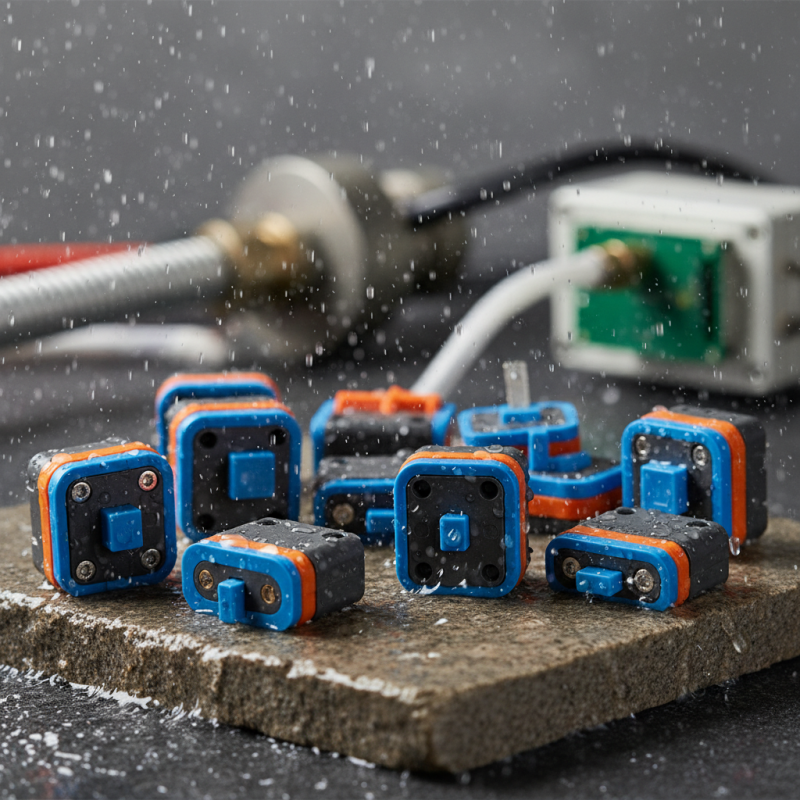
Waterproof micro switches are essential components in various electronic devices. These switches can function in wet or humid conditions, making them ideal for outdoor and industrial applications. The global micro switch market is projected to reach $2.5 billion by 2025, driven by a rising demand for durable and reliable devices in challenging environments.
Typically, waterproof micro switches are designed with special enclosures and sealing materials to prevent water ingress. This feature allows them to operate effectively in rain, splashes, or even submerged situations. For instance, an IP67 rating indicates complete protection against dust and immersion in water for short periods. However, not all waterproof switches are created equal. Some may still fail under extreme conditions, leading to frequent malfunctions or failures.
Incorporating these switches into products, such as automotive systems or outdoor lighting, enhances functionality. Yet, manufacturers need to face challenges in ensuring quality while maintaining cost-effectiveness. In a recent industry survey, around 30% of engineers reported issues with water resistance in micro switches, highlighting the need for innovation. Despite advancements, some designs still leave room for improvement. Manufacturers should continuously evaluate feedback to refine their waterproof solutions.
Waterproof micro switches have essential features that make them reliable in various applications. These switches are designed to withstand harsh conditions, making them critical in industries like automotive and manufacturing. Their waterproof rating typically meets IP67 or higher standards, ensuring protection against dust and water immersion. According to a report by MarketsandMarkets, the global waterproof micro switch market is projected to grow significantly, reflecting the rising demand for durable electronic components.
The construction of waterproof micro switches is crucial. They often incorporate sealed enclosures and O-rings, preventing moisture entry. This prevents corrosion and failure over time. Reports suggest that around 30% of electronic failures in industrial settings stem from water exposure. Hence, investing in quality waterproof micro switches pays off in long-term reliability. Many users, however, still overlook the importance of quality in favor of cost. This can lead to increased maintenance and unexpected downtime.
Waterproof micro switches come in various designs, each catering to specific needs. Some include snap-action functionality, while others offer long-stroke mechanisms. This variety means users must consider their unique requirements carefully. Understanding the limitations of each design is crucial to ensure proper functionality. Balancing cost and performance is a challenge that many face, illustrating the need for informed decision-making in purchasing these switches.
| Feature | Description | Applications |
|---|---|---|
| Waterproof Rating | Typically rated IP67 or higher, ensuring protection against dust and immersion in water. | Industrial automation, outdoor applications, and water-resistant devices. |
| Operating Force | Light to moderate operating force required to actuate the switch, generally measured in grams. | Consumer electronics, automotive controls, and security systems. |
| Life Cycle | Durable construction allowing for millions of cycles without failure. | Robotics, healthcare devices, and home appliances. |
| Temperature Range | Standard range from -40°C to 85°C, suitable for various environments. | Climate-controlled systems, outdoor sensors, and marine applications. |
| Actuator Types | Various options including roller, plunger, and lever actuators for different applications. | Automated machines, safety devices, and gaming consoles. |
Waterproof micro switches are essential in many industries. They operate reliably in wet conditions. These switches are designed to prevent water and dust from entering their mechanical components. According to industry reports, nearly 80% of device failures in harsh environments are due to insufficient sealing. This is where waterproof micro switches shine.
How do these switches function? They feature an encapsulated design made from materials resistant to moisture and corrosion. Most waterproof micro switches utilize O-rings and sealing compounds to ensure protection against water ingress. They can work in temperatures ranging from -40°C to over 100°C. This wide range of operation makes them suitable for outdoor applications, such as automotive or industrial machinery.
**Tip:** When choosing waterproof micro switches, consider the IP rating. An IP67 rating means the switch can withstand submersion in water up to 1 meter for 30 minutes.
However, not all waterproof micro switches are created equal. It’s important to check manufacturer specifications closely. Some may look durable but fail in severe conditions. Proper installation can further reduce the risk of failure in extreme environments.
**Tip:** Regularly inspect these switches. Wear and tear can compromise their waterproof capabilities over time.
Waterproof micro switches are essential components in various industries, especially where moisture and contaminants are prevalent. Their applications span automotive, consumer electronics, and industrial machinery. According to a recent industry report by MarketsandMarkets, the demand for waterproof micro switches is projected to grow at a CAGR of 6.5% from 2021 to 2026. This growth underscores the increasing need for reliable performance in challenging environments.
In automotive applications, waterproof micro switches ensure that critical functions, like lighting and safety systems, operate seamlessly under wet conditions. For example, they are often used in outdoor control panels and marine vehicles, where exposure to water is inevitable. The requirement for IP67 or higher ratings in these switches reflects the importance of durability against moisture. Additionally, in consumer electronics, these switches are widely used in devices like handheld tools and kitchen appliances. They protect internal components from water damage, significantly increasing product lifespan.
Despite their benefits, designing waterproof micro switches can present challenges. Achieving the right balance between sensitivity and water resistance is crucial. Some manufacturers struggle with the trade-offs. The sealing methods can sometimes hinder switch actuation, leading to user frustration. Continuous innovation is necessary to enhance both functionality and reliability. As industries evolve, so too must the micro switch technology that supports them.
Proper maintenance of waterproof micro switches is vital for their longevity and performance. These switches are often exposed to harsh conditions, which can lead to premature wear and failure. According to industry data, around 20% of switch failures are due to inadequate maintenance. Regular cleaning and inspections can help prevent these issues and extend the life of the switches.
One critical aspect of care is ensuring that the seals remain intact. Damaged seals can allow moisture and debris to enter, compromising the switch functionality. It's recommended to inspect these seals at least every six months. Regularly check the housing for cracks or signs of corrosion as well. Simple visual inspections can reveal problems before they escalate.
Dust and grime can accumulate over time, affecting the switch's responsiveness. Cleaning with a gentle cloth can help eliminate this buildup. However, avoid harsh chemicals that might degrade materials. Keeping a log of maintenance activities may help identify patterns. This practice can prove useful in recognizing when a switch is nearing the end of its service life. Always prioritize taking action on minor issues before they lead to significant failures.
