
Airport security is a top priority in today's world. An effective airport fence serves as the first line of defense. It sets the stage for the safety of passengers and aircraft. With various designs and materials, fences vary in height and strength. Each type aims to deter unauthorized access while ensuring visibility.
Choosing the right airport fence is crucial. Some may be effective against intruders but lack visibility. Others might focus on aesthetics but fail in durability. The right balance is necessary. Airports must invest in fences that reflect their specific needs. This decision requires careful consideration.
As threats evolve, so do fencing technologies. More advanced solutions may emerge, but some approaches remain traditional. Looking at the different types of fences helps us understand their roles better. Not every fencing type works perfectly in every situation. Continuous assessment of airport fence designs is essential for ongoing safety improvements.
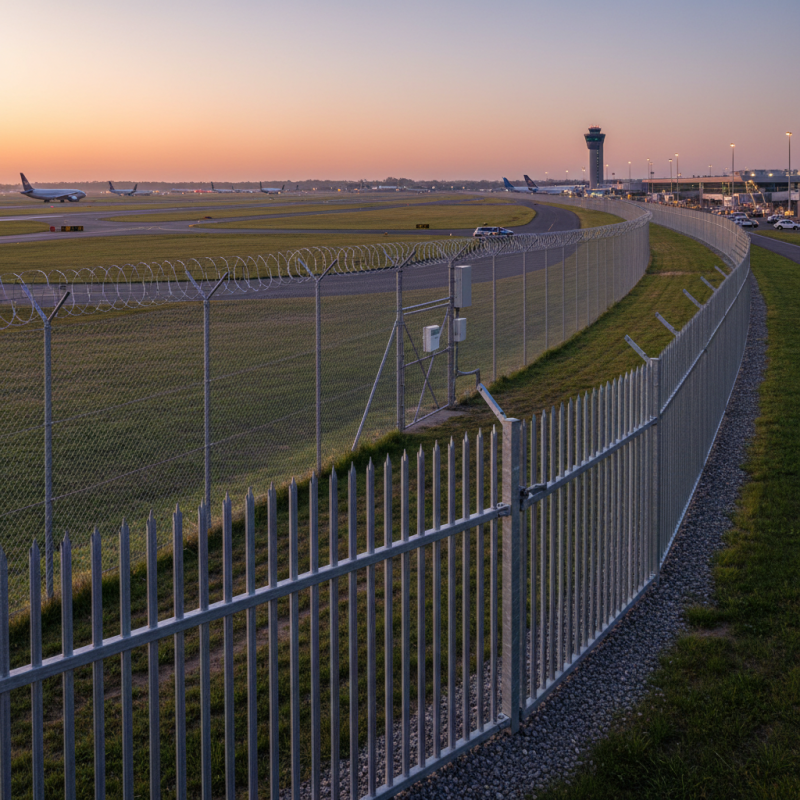
Airport fences play a crucial role in security and safety. They help to define the boundaries of the airport. Various types of fences serve different purposes. Some focus on deterring wildlife, while others protect against unauthorized access.
Chain-link fences are among the most common. They are easy to install and maintain. However, they can be scaled quite easily. On the other hand, welded wire fences provide more strength and durability. Yet, they may not offer the same visibility as chain-link options.
Electric fences are another type, acting as a deterrent through shock. However, they raise concerns around safety. Barbed wire is effective for keeping intruders out but can be a hazard for birds and other wildlife. Evaluating these options is vital for enhancing airport security while balancing environmental impact.
Airport security fences play a crucial role in maintaining safety. They provide a physical barrier that deters unauthorized access. A robust fence can reduce the chances of breaches. Each type of fence has different advantages, tailored to specific needs. Some are designed to withstand impact, while others focus on visibility.
However, even the strongest fences have limitations. They may not prevent all threats, especially if maintenance is overlooked. Regular inspections are needed to ensure utmost functionality. Wildlife entanglements or damage from storms can weaken these structures.
Beyond just physical barriers, security fences create an illusion of safety. This perception is important for passenger confidence. Travelers feel secure knowing there’s a clear boundary protecting them. Yet, many people underestimate their significance until something goes wrong. It’s essential to remain vigilant and address any vulnerabilities.
Airport fences play a crucial role in maintaining security and safety. Their effectiveness varies based on design and materials. Chain-link fences are common, but they might not deter all intruders. While they provide visibility, their strength is often questioned. The installation of barbed wire enhances security, but it can be seen as aggressive. Implementing measures like anti-climb features is one way to address these concerns.
Some security experts argue that solid barriers, like walls, are superior. However, they can create blind spots, which are risky. Surveillance systems are essential, but they may require frequent updates and replacements. Electric fencing is effective but can be costly and may pose a risk to animals. It’s crucial to find a balance between deterrence and practicality.
Aesthetic considerations should also be factored in. Fences should blend with the surrounding environment while providing functionality. Overly tall or imposing structures can create a negative impression. Airports need to reassess their fencing strategies regularly. Evaluating effectiveness can lead to improvements. It’s not just about the fence but how well it integrates with other security measures.
| Fence Type | Material | Height (ft) | Security Level | Cost ($/linear ft) |
|---|---|---|---|---|
| Chain Link Fence | Steel | 6 | Low | 10-20 |
| Welded Wire Fence | Steel | 8 | Medium | 15-25 |
| Electric Fence | Steel | 5-7 | High | 20-30 |
| Barbed Wire Fence | Steel | 4-6 | Medium | 10-15 |
| Privacy Fence | Vinyl | 6-8 | Low | 15-30 |
| Concrete Wall | Concrete | 10-12 | Very High | 50-100 |
| Palisade Fence | Steel | 6-8 | High | 25-40 |
| Razor Wire Fence | Steel | 6-8 | High | 20-35 |
| Fencing with Surveillance | Combination | 8-10 | Very High | 30-60 |
| Safety Barrier | Plastic | 3-4 | Low | 5-10 |
Airport fence design and installation must comply with strict regulatory standards. These standards ensure the safety of both the airside and landside areas. They often require specific heights, materials, and features to deter unauthorized access. For example, a typical fence might be a minimum of eight feet tall. This height helps prevent casual trespassing.
Materials are another critical factor in compliance. Chain-link fences are common due to their visibility and durability. However, some regulations may call for additional reinforcements, like barbed wire or electric fences, in high-security areas. Each airport has unique needs based on its layout and traffic levels. Poorly designed fences can create vulnerabilities. An incident could lead to serious security breaches.
Regular inspections are essential to maintain compliance with these regulations. Weather can wear down materials over time. The importance of regular maintenance is often highlighted in safety audits. Any failure to adhere to standards could result in fines or operational shutdowns. Continuous reflection on design choices can lead to improved security measures. The journey toward perfect compliance is ongoing and requires constant vigilance.
The future of airport fencing and security solutions is evolving rapidly. As security threats grow, airports must adapt. Smart technology is being integrated into fences. For instance, sensors can detect intrusions, alerting personnel instantly. This proactive approach enhances overall security.
Moreover, sustainability is a rising concern. Airports are seeking eco-friendly materials for fencing. These materials are durable yet minimize environmental impact. They improve aesthetic appeal too. However, transitioning to these solutions poses challenges. High costs can be a barrier for some airports.
Another future trend is the use of drones. They can patrol airport perimeters, offering a bird's-eye view. This method could reduce blind spots. Yet, regulatory issues remain a concern. Balancing innovation with safety is crucial. Security professionals must continuously evaluate these new technologies and their effectiveness.
