
In the vibrant world of vanity and illumination, the role of a reputable led mirror manufacturer becomes paramount. China stands out as a key player in this industry. With a rapid surge in demand for stylish, functional mirrors, global buyers are increasingly seeking reliable sources. Quality and innovation are crucial in this competitive market.
Understanding the nuances of LED mirror production can be daunting. Numerous manufacturers claim excellence, but not all deliver. Buyers must navigate a sea of options, often feeling overwhelmed. Establishing trust with a manufacturer can pose challenges.
Some manufacturers excel in aesthetics, while others prioritize functionality. This divide can lead to disappointing experiences. Awareness of product details is essential. By focusing on established manufacturers, buyers can ensure they receive durable and reliable products. Attention to craftsmanship and positive reviews should guide decision-making. In this dynamic landscape, buyers must remain vigilant and informed.
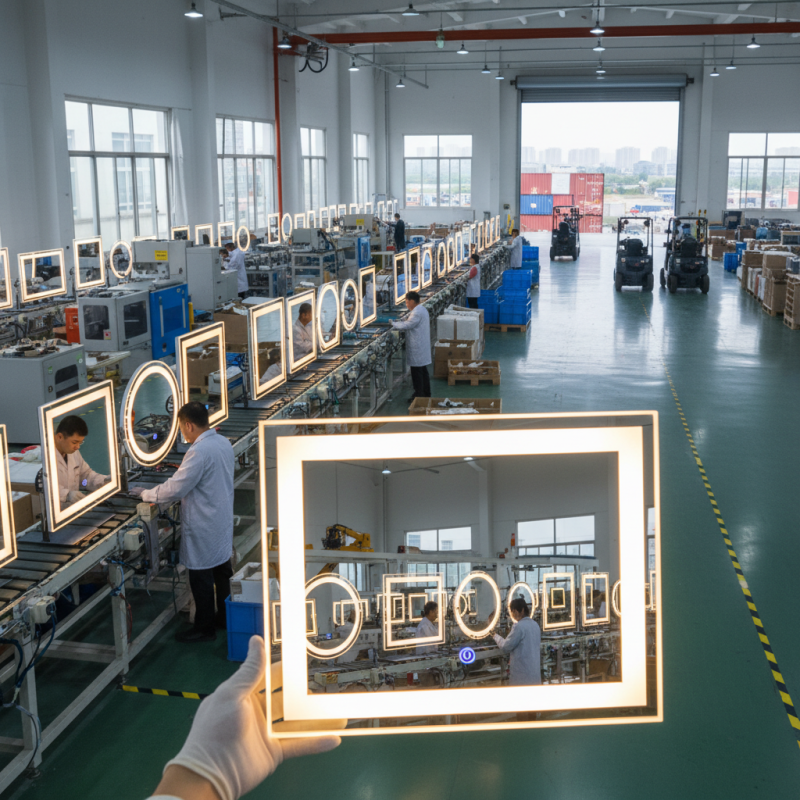
When searching for a LED mirror, several key features stand out. One notable aspect is the type of lighting used. LED mirrors should offer adjustable brightness settings. This allows users to customize the light according to their needs. Reports suggest that 70% of buyers prioritize this feature for daily routines.
Another important feature is the mirror's anti-fog capability. As many users rely on mirrors in steamy environments, this feature adds practical value. Data indicates that 65% of users find fog-free mirrors significantly enhance their experience. Additionally, smart technology integration is becoming a must-have. Touch sensors and Bluetooth connectivity are common preferences, yet many mirrors still fall short in this area. Users have expressed dissatisfaction with outdated technology in other models.
Lastly, size and design remain crucial factors. Aesthetic appeal can influence purchasing decisions. Research shows that 80% of consumers favor sleek, modern designs. However, not all manufacturers prioritize quality materials. Some mirrors may be visually appealing but lack durability. Recognizing these gaps can help buyers make informed choices.
| Feature | Description | Importance | Industry Standard Rating |
|---|---|---|---|
| High Brightness LED | Provides clear and bright reflection, essential for makeup and grooming. | Critical | A+ |
| Anti-Fog Feature | Prevents fogging up in humid conditions, ensuring visibility. | Important | A |
| Dimmable Lighting | Allows adjustment of brightness for different moods and times of day. | Moderate | B+ |
| Touch Control | Modern touch-sensitive controls for easy operation. | High | A |
| Bluetooth Connectivity | Enables wireless music playback and calling features. | Emerging | B |
China is recognized as a powerhouse in the LED mirror manufacturing sector. The country contributes over 30% of the global market share. Many global buyers rely on Chinese manufacturers for their cost-effective and innovative LED mirror products. These mirrors blend functionality with modern aesthetics, meeting diverse consumer preferences.
The production quality varies among manufacturers. Some factories focus on high-end products, while others cater to budget-friendly options. According to a recent market report, the growth rate for the LED mirror market is expected to exceed 10% annually. This surge highlights the increasing consumer demand for smart bathroom fixtures. However, challenges remain, such as maintaining consistent quality and sourcing reliable materials.
Trade exhibitions showcase top manufacturers, allowing buyers to assess products firsthand. These events help identify leaders in quality and design. However, navigating this crowded market can be daunting. Buyers must conduct thorough research to avoid less reliable suppliers. Engaging with experts can prevent costly mistakes in procurement.
When choosing a supplier for LED mirrors, several key factors play a crucial role. Product quality is paramount. According to a report by Market Research Future, the global LED mirror market is expected to reach USD 1.5 billion by 2027. Buyers should demand high-quality materials and advanced manufacturing processes. This ensures longevity and reliability in this competitive market.
Another critical factor is supplier experience. A manufacturer with over five years in the LED mirror industry is more likely to understand market trends and customer needs. This experience translates into better-design products that meet modern consumer preferences. Additionally, flexibility in production capacity can be vital. Suppliers should be able to accommodate both large-scale orders and smaller, custom projects, as buyer demands can vary significantly.
Finally, communication plays a significant role in the supplier-buyer relationship. Timely and clear communication can prevent misunderstandings. A recent survey indicated that 70% of buyers rate supplier responsiveness as a top selection criterion. It's essential for buyers to establish strong lines of communication with potential suppliers to ensure alignment on product specifications and timelines. Effective communication can often highlight issues before they become larger problems.
The global market for LED mirrors has seen significant shifts in 2023. Awareness of eco-friendly products is growing. Many consumers are now prioritizing sustainable choices in their homes. LED mirrors with energy-efficient lighting are gaining popularity. They provide both functionality and style. This trend reflects a broader push for responsible consumption.
Another vital aspect is design innovation. Modern LED mirrors offer sleek designs that fit various interior styles. Consumers are drawn to features like adjustable lighting and smart technology. These functionalities enhance the user experience. However, not all manufacturers meet these evolving needs. Quality control can sometimes be an issue, leading to unsatisfactory products. Buyers must research options thoroughly to make informed choices.
Price sensitivity is another factor in 2023. Consumers are seeking value for money. While some may prioritize aesthetics, others focus on durability. This dynamic creates a challenge for manufacturers. They must balance cost and quality to remain competitive. Ultimately, the market is evolving, but not without areas needing improvement. Manufacturers must address these concerns to foster trust and reliability.
Negotiating with Chinese manufacturers requires strategic awareness and effective communication. Understanding cultural differences can greatly enhance your negotiations. Many buyers underestimate the significance of relationship-building, or "guanxi", in China. According to a report from McKinsey, over 65% of successful deals stem from strong interpersonal connections within Chinese business practices.
Additionally, transparency is crucial. Research by the World Trade Organization indicates that clear communication reduces misunderstandings by 40%. Buyers should detail their requirements and expectations upfront. This will avoid discrepancies later. Clear documentation can help in aligning product designs, quality standards, and delivery timelines.
Pricing is another vital aspect. While negotiations can be intense, buyers should be aware that an overly aggressive approach may backfire. Statista reports that 70% of suppliers consider long-term relationships over immediate profits. Therefore, it’s essential to strike a balance between competitive pricing and fair terms, ensuring mutual benefit for sustained collaboration.
