
Top Electrostatic Collector Manufacturers in China
China has a broad manufacturing base for air-cleaning and industrial separation equipment. This guide to Top Electrostatic Collector Manufacturers in China introduces suppliers and the factors buyers can use to assess them. An Electrostatic Collector can help capture fine particles, but its performance depends on the application, system design, and operating conditions. One model does not fit every facility.
Useful comparisons look beyond product descriptions. Buyers can review technical specifications, electrode and power-supply design, available testing records, production capabilities, and after-sales support. Ask how a supplier handles installation guidance, replacement parts, and troubleshooting. Details matter. Where possible, compare documented performance under conditions similar to your own process, rather than relying only on general efficiency claims. A polished catalog is not proof of field performance.
The manufacturers discussed in this overview should be treated as candidates for further evaluation, not as a universal ranking. Confirm company information and product details directly with each supplier, since models and capabilities can change. Check whether the proposed collector suits the dust characteristics, airflow, temperature, and maintenance capacity at your site. These practical checks can reveal gaps that a brief sales conversation may miss. Even a careful shortlist has limits: without application data and independent verification, no article can determine which supplier is the right choice.
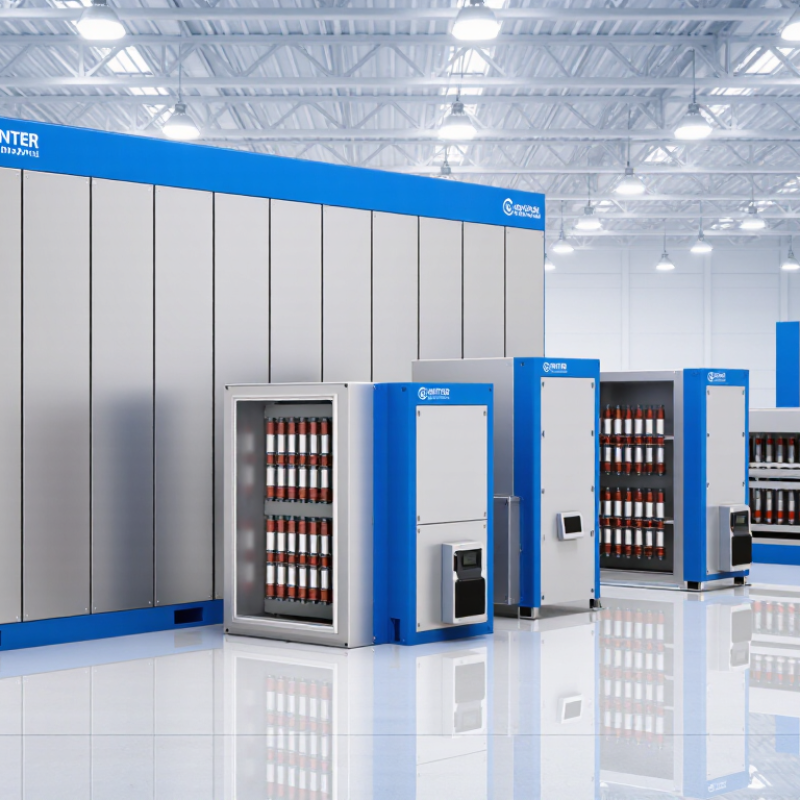
Overview of Electrostatic Collectors and Their Industrial Uses
Electrostatic collectors remove airborne particles by charging them and drawing them toward oppositely charged plates. The collected material stays on these surfaces until cleaning or maintenance removes it. Unlike a basic screen, this process can capture fine particles without forcing all airflow through a tightly packed filter. That distinction matters. Industrial facilities use electrostatic collectors to manage dust, smoke, and oil mist in settings such as metalworking, food processing, and power generation. The right application depends on the particle type, airflow, temperature, and moisture levels.
Performance is not automatic. Operators need to inspect collection plates, clean deposits, and check electrical components according to the equipment design. Heavy buildup can reduce airflow or collection efficiency, while changing production conditions may affect results. A collector also does not remove every gas or odor; other controls may be needed. It is easy to focus on a published efficiency figure and overlook installation details, but duct layout and maintenance habits matter too. Real operating conditions are less tidy than a test room. That is worth remembering when comparing systems or planning an industrial ventilation upgrade.
Top Electrostatic Collector Manufacturers in China - Overview of Electrostatic Collectors and Their Industrial Uses
| Collector Type | How It Works | Common Target Pollutants | Typical Industrial Uses | Key Advantages | Important Design Considerations |
|---|---|---|---|---|---|
| Dry plate-wire electrostatic precipitator | High-voltage discharge electrodes charge particles, which are attracted to collecting plates and periodically removed by rapping. | Dry fly ash, mineral dust, and other particulate matter. | Coal- and biomass-fired boilers, cement kilns, metal smelting, and some large process furnaces. | Suitable for high gas volumes; collected material can often be handled dry. | Performance depends on particle resistivity, gas conditions, electrode alignment, and effective ash removal. |
| Dry tubular electrostatic precipitator | Charged particles move toward grounded collecting tubes or cylinders; deposited dust is removed using a cleaning system. | Dust and mist particles in relatively concentrated gas streams. | Selected chemical processes, metallurgical operations, and industrial exhaust systems. | Enclosed collecting surfaces can suit certain specialized gas-flow arrangements. | Tube geometry, gas distribution, cleaning access, and dust characteristics must be matched to the process. |
| Wet electrostatic precipitator | Particles are electrically charged and collected on surfaces that are continuously or intermittently washed with liquid. | Fine particulate matter, acid mist, and some sticky or difficult-to-remove aerosols. | Steel and non-ferrous metal processing, chemical plants, and flue-gas polishing after other controls. | Wet cleaning helps limit dust re-entrainment and can handle moist or sticky deposits. | Requires water management, corrosion-resistant materials, wastewater handling, and suitable drainage. |
| Two-stage electrostatic air cleaner | A charging section gives airborne particles an electrical charge, followed by a separate collection section. | Fine airborne particles, oil mist, and smoke in recirculated or exhaust air. | Commercial kitchens, machining areas, and selected indoor industrial ventilation systems. | Can be configured for reusable collection elements and continuous air-treatment applications. | Needs regular cleaning; suitability depends on airflow, pollutant loading, and fire-safety requirements. |
| Compact electrostatic mist collector | Electrical charging and collection stages capture liquid droplets from process exhaust air. | Oil mist and coolant aerosols. | CNC machining, metalworking, and selected lubricant-based manufacturing processes. | Can reduce airborne mist and support recirculation where process and safety conditions allow. | Droplet size, oil type, airflow, drainage, and maintenance intervals affect performance. |
Note: This table describes collector technologies and applications, not a manufacturer ranking. Actual collection performance and suitability depend on site-specific gas composition, particle properties, operating conditions, system design, and applicable emissions requirements.