
A Pet Red Light Therapy Manufacturer designs and produces light-based devices intended for animal wellness and veterinary support. These companies may develop handheld panels, flexible pads, or clinic-grade systems for pets such as dogs, cats, and horses. Their work involves more than assembling red LEDs. It includes wavelength selection, optical design, heat control, electrical safety, and clear operating instructions.
A reliable manufacturer should explain measurable details, including wavelength ranges, irradiance, treatment distance, session duration, and device testing. Independent quality checks matter. So does traceable documentation. A serious company avoids promising instant healing or replacing professional veterinary care. Instead, it presents photobiomodulation as a supportive option that may be considered with qualified guidance. The best products also include comfortable materials, simple controls, and surfaces that can be cleaned after contact with fur or skin.
In practice, product quality can vary widely. A bright device is not automatically an effective device. That point is easy to miss. Marketing language may sound scientific while offering little usable evidence. Readers should examine safety certifications, manufacturing standards, warranty terms, and published research. They should also ask whether the device was designed specifically for animals or adapted from human equipment. Even reputable manufacturers may leave some questions unanswered. That is where careful evaluation becomes important. This article explains what a Pet Red Light Therapy Manufacturer does, how its products are assessed, and which details can help buyers make safer, better-informed decisions.
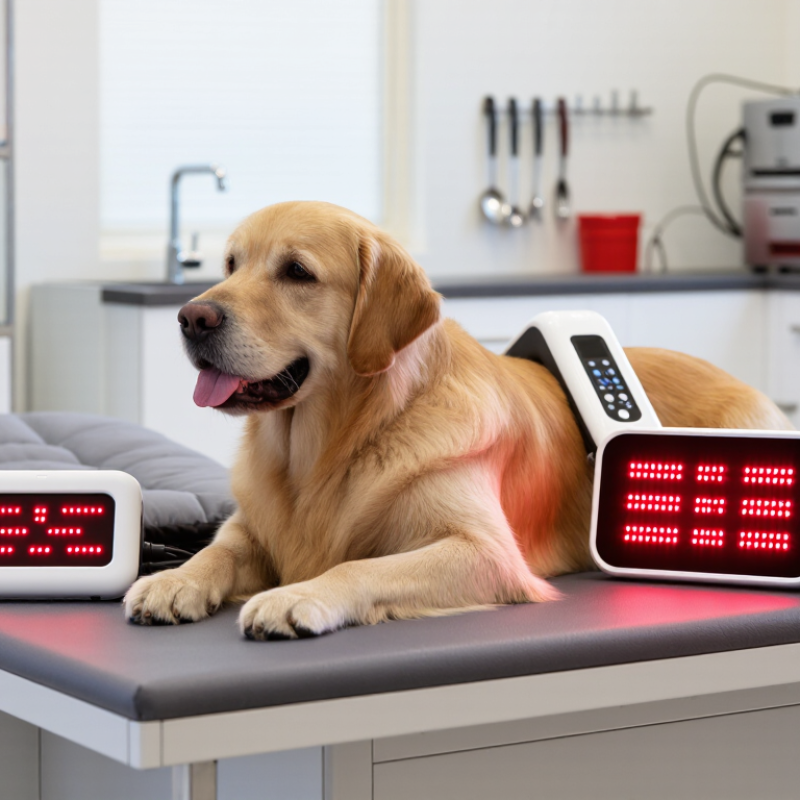
A pet red light therapy manufacturer designs and produces light-based devices for animals. These devices may use red or near-infrared wavelengths. Common forms include handheld units, flexible pads, and small treatment panels. A responsible manufacturer explains wavelength ranges, output strength, treatment distance, and recommended session times. Clear instructions matter because pets cannot describe heat, discomfort, or visual sensitivity.
Professional manufacturing also involves material selection, electrical testing, heat control, and consistent light output. Reliable companies provide user manuals and basic safety information. They should explain which animals and body areas require veterinary advice. A manufacturer is not automatically a medical authority. Product claims need careful review, especially when evidence differs between conditions. The label alone does not prove effectiveness. Some details may remain uncertain, and that deserves honest attention.
Tips: Choose a device with measurable specifications and clear cleaning instructions. Check whether the surface stays comfortably warm during use. Keep light away from your pet’s eyes unless a veterinarian approves it. Start with short sessions and observe skin redness, restlessness, or avoidance. Stop if unusual reactions appear. Record the session time and treated area. This simple habit helps owners discuss results accurately with a veterinary professional.
A pet red light therapy manufacturer develops devices that deliver controlled red and near-infrared light. The wavelength matters more than a bright appearance. Red light, commonly between 630 and 660 nm, mainly supports surface-level applications. It may help maintain healthy skin and support normal tissue recovery. Near-infrared light, usually between 810 and 850 nm, reaches deeper areas. It is often selected for muscles, joints, and connective tissue support.
A reliable manufacturer should measure wavelength accuracy, irradiance, heat, and exposure time. These details affect both performance and comfort. A lamp can look powerful while delivering inconsistent energy. That distinction is easy to miss. Good testing also considers fur thickness, pet size, and treatment distance. A small dog and a large, long-haired dog do not receive light in the same way. Clear instructions should explain positioning, session length, eye protection, and cleaning.
In practical evaluation, comfort remains important. The device should feel warm, not painfully hot. Pets may move, blink, or resist, making perfect exposure unrealistic. That limitation deserves honest discussion. Light therapy is supportive care, not a guaranteed cure. Manufacturers should avoid absolute promises and encourage veterinary advice for persistent symptoms. Independent testing, traceable specifications, and careful safety guidance make technical claims more trustworthy. Even then, results can vary between animals.
A pet red light therapy manufacturer develops devices and treatment guidance for animal care. Its responsibility extends beyond bright LEDs and attractive housing. A credible manufacturer measures irradiance at the treatment surface, identifies wavelengths, and explains how distance changes energy delivery. Veterinary consultation remains important, especially for animals with ongoing medical conditions.
Treatment design connects irradiance, exposure time, and dosage.
Dose equals irradiance multiplied by time.
For example, 50 mW/cm² equals 0.05 W/cm². Delivering 2 J/cm² would require about 40 seconds, while 8 J/cm² would require roughly 160 seconds.
These calculations look simple. Real sessions are not.
Fur, movement, curved body areas, and changing device angles can reduce the delivered dose. A restless dog may turn away before the planned exposure ends. A thick coat may block part of the light. Manufacturers should test output at practical distances and report measurement methods clearly. They should also provide gradual protocols within the 2–8 J/cm² range, rather than treating one dose as suitable for every pet. I would record distance, session length, skin response, and behavior after each use. That record may reveal inconsistencies that a product label misses. Dose estimates are useful, but they are not perfect measurements.
What Is a Pet Red Light Therapy Manufacturer?
A pet red light therapy manufacturer develops, tests, and documents devices intended for animal use. Its work extends beyond assembling LEDs and a plastic housing. APPA’s 2023–2024 National Pet Owners Survey reports that 66% of U.S. households own a pet. That scale increases the need for traceable safety controls. A credible manufacturer records irradiance, wavelength, treatment time, electrical performance, and production changes. Yet, some product pages still confuse registration with approval.
In the United States, FDA establishment registration or device listing does not automatically mean FDA approval or clearance. The correct pathway depends on the device’s intended claims and classification. IEC 60601-1 addresses basic safety and essential performance for applicable medical electrical equipment. It can examine insulation, leakage current, grounding, and abnormal operation. Photobiological testing, often based on IEC 62471, evaluates risks from optical radiation to eyes and skin. For animals, testing should consider fur, eye exposure, treatment distance, and movement. Human assumptions are not always enough.
Tips: Ask for the exact FDA status, not a vague “FDA registered” claim. Request IEC 60601-1 test evidence and an IEC 62471 risk report. Check whether the report covers the final production model. Review wavelength and irradiance measurements from an independent laboratory. A useful detail is missing surprisingly often: clear instructions for avoiding direct eye exposure. Manufacturers should also admit uncertainty. Long-term veterinary evidence remains limited for some conditions, so cautious claims are more reliable than dramatic promises.
A pet red light therapy manufacturer does more than assemble lamps and sell treatment devices. A credible manufacturer explains wavelength, irradiance, treatment distance, exposure time, and intended veterinary use. These details help clinics and pet owners avoid guesswork. Published veterinary evidence matters, especially when it describes species, treatment conditions, and observed outcomes. Testimonials alone are weak evidence. A polished website is not proof.
Quality control should be visible in practical records. Ask whether each device receives electrical safety checks, output testing, and batch-level inspection. The manufacturer should identify materials used near animals, cleaning instructions, and expected performance changes over time. Clear labeling is important. So is honest communication about limitations, contraindications, and situations requiring veterinary guidance. Some manufacturers may have incomplete evidence. That gap deserves careful attention, not automatic rejection.
Warranty support reveals how the company treats real customers after purchase. Look for written coverage, repair or replacement procedures, response times, and access to trained technical staff. Reliable support should help users interpret error codes and maintain consistent output. Independent testing can strengthen confidence, but it does not replace clinical judgment. I would also question unusually broad healing claims. They sound attractive, yet they may oversimplify complex animal conditions. A careful manufacturer welcomes questions, shares documentation, and admits what remains uncertain. That honesty is useful.
