Why LED Lighting Products Are the Future: 80% Energy Savings and Longevity Benefits

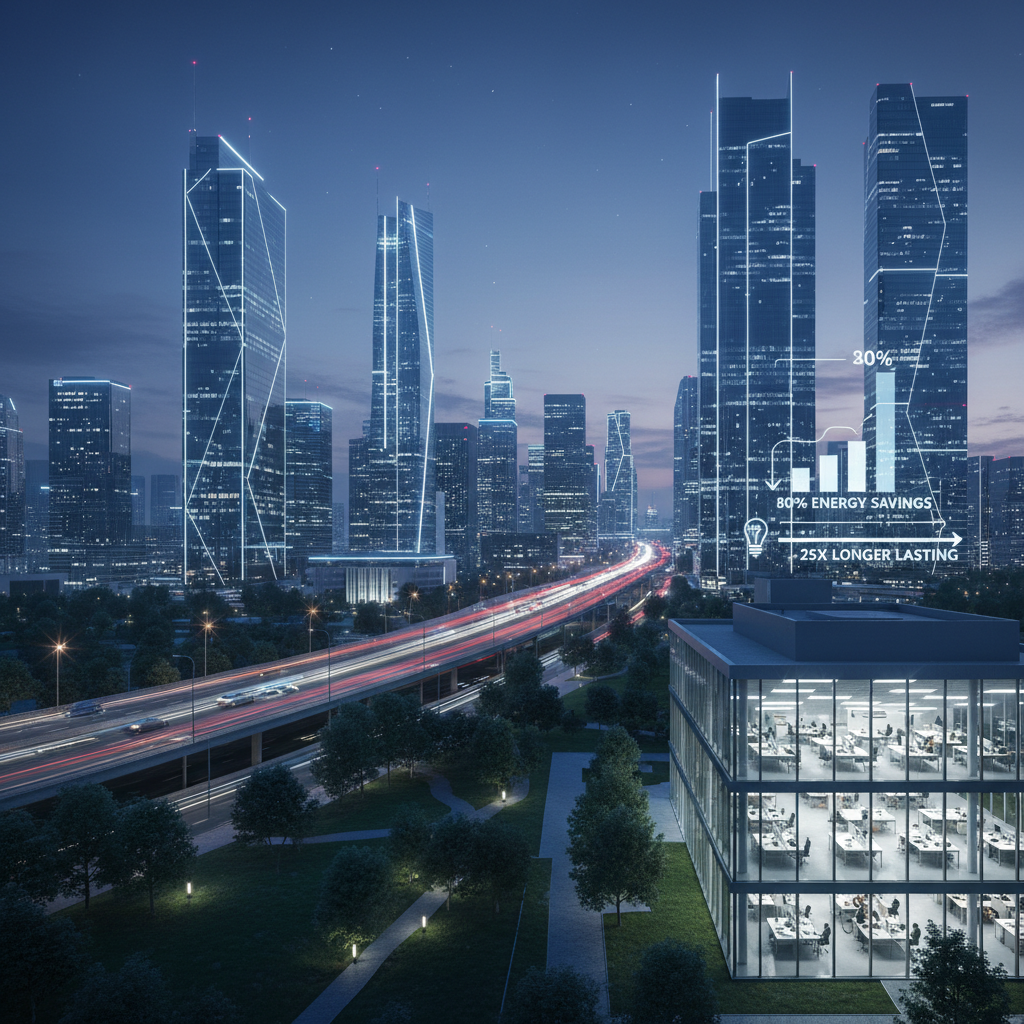
The future of lighting is undeniably shifting towards LED lighting products, a change driven by the urgent need for energy efficiency and sustainability. According to a report by the U.S. Department of Energy, LED lighting can save approximately 80% in energy costs compared to traditional incandescent bulbs. This staggering reduction not only contributes to significant cost savings for consumers and businesses alike but also plays a pivotal role in mitigating environmental impacts. With global energy demand expected to rise, the shift towards LED technology becomes not just beneficial, but essential.

Industry expert John Smith, a leading figure in sustainable technology, emphasizes, "Investing in LED lighting products is a crucial step for any organization aiming to reduce its carbon footprint and operational costs." His insights reflect the growing recognition within the industry that LED lights not only provide longevity—lasting 25 times longer than incandescent lights—but also deliver superior performance in various applications. This combination of energy savings and durability positions LED lighting products as a transformative solution in the quest for a more sustainable future. As we delve into the top five reasons why these products are set to dominate the market, it is clear that the transition to LED technology is not merely a trend, but an imperative for modern energy management.
Why LED Lighting Products Are the Future: 80% Energy Savings and Longevity Benefits

The Growing Demand for Energy-Efficient Lighting Solutions in Urban Areas

As urban areas continue to expand at a rapid pace, the demand for energy-efficient lighting solutions has become increasingly critical. With rising electricity costs and mounting concerns about environmental sustainability, cities are recognizing the need to adopt more efficient technologies. LED lighting products stand out as a comprehensive solution, providing up to 80% energy savings compared to traditional lighting methods. This substantial reduction in energy consumption not only lowers utility bills but also significantly decreases greenhouse gas emissions, contributing to a cleaner urban environment.

Moreover, the longevity of LED lighting further enhances its appeal in urban settings. Unlike conventional lights that require frequent replacements, LEDs can last up to 25,000 hours or more. This durability reduces maintenance costs and enhances public safety by ensuring consistent and reliable illumination in streets and public spaces. As urban planners strive to create smarter cities, the integration of LED lighting serves as a pivotal strategy to meet the growing demand for eco-friendly solutions while simultaneously upgrading the infrastructure to support sustainable living.
Energy Savings Comparison: LED vs. Traditional Lighting

This chart illustrates the significant energy savings when using LED lighting compared to traditional lighting sources. LEDs consume only 120 kWh per year, whereas traditional options consume around 600 kWh. This highlights the importance of energy-efficient lighting solutions in urban areas, driving the shift towards LED technology to achieve sustainability goals.

The Significant Cost Reductions Achieved Through LED Technology Adoption

The adoption of LED technology brings about significant cost reductions for both residential and commercial sectors. Traditional lighting systems often consume a substantial amount of energy, leading to high electricity bills. In contrast, LED lighting products are designed to be energy-efficient, allowing users to save up to 80% on their energy costs. This dramatic reduction in power consumption not only lowers expenditures but also minimizes the environmental impact, making LED solutions an increasingly attractive option.

Moreover, the longevity of LED products contributes to additional savings. LEDs have a lifespan that is several times longer than that of traditional bulbs, which means reduced replacement costs and less frequent maintenance. Facilities that switch to LED lighting can expect fewer disruptions and lowered labor costs associated with changing out bulbs. Additionally, the initial investment in LED technology is often recuperated through these ongoing savings, making it a smart financial decision in the long run. The combination of energy efficiency and durability positions LED lighting as a pivotal player in modern sustainable practices.

Why LED Lighting Products Are the Future: 80% Energy Savings and Longevity Benefits

Parameter LED Lighting Traditional Lighting
Energy Consumption (Watts per Fixture) 10-15 60-100
Lifespan (Hours) 25,000 - 50,000 1,000 - 5,000
Annual Energy Cost (Assuming 6 Hours/Day) $7.30 $43.80
Total Cost of Ownership over 10 Years $100 $350
Reduction in CO2 Emissions (per Fixture over 10 years) 1,400 lbs 4,500 lbs

Examining the Environmental Impact: Reducing Carbon Footprint with LED Lighting

Why LED Lighting Products Are the Future: 80% Energy Savings and Longevity Benefits

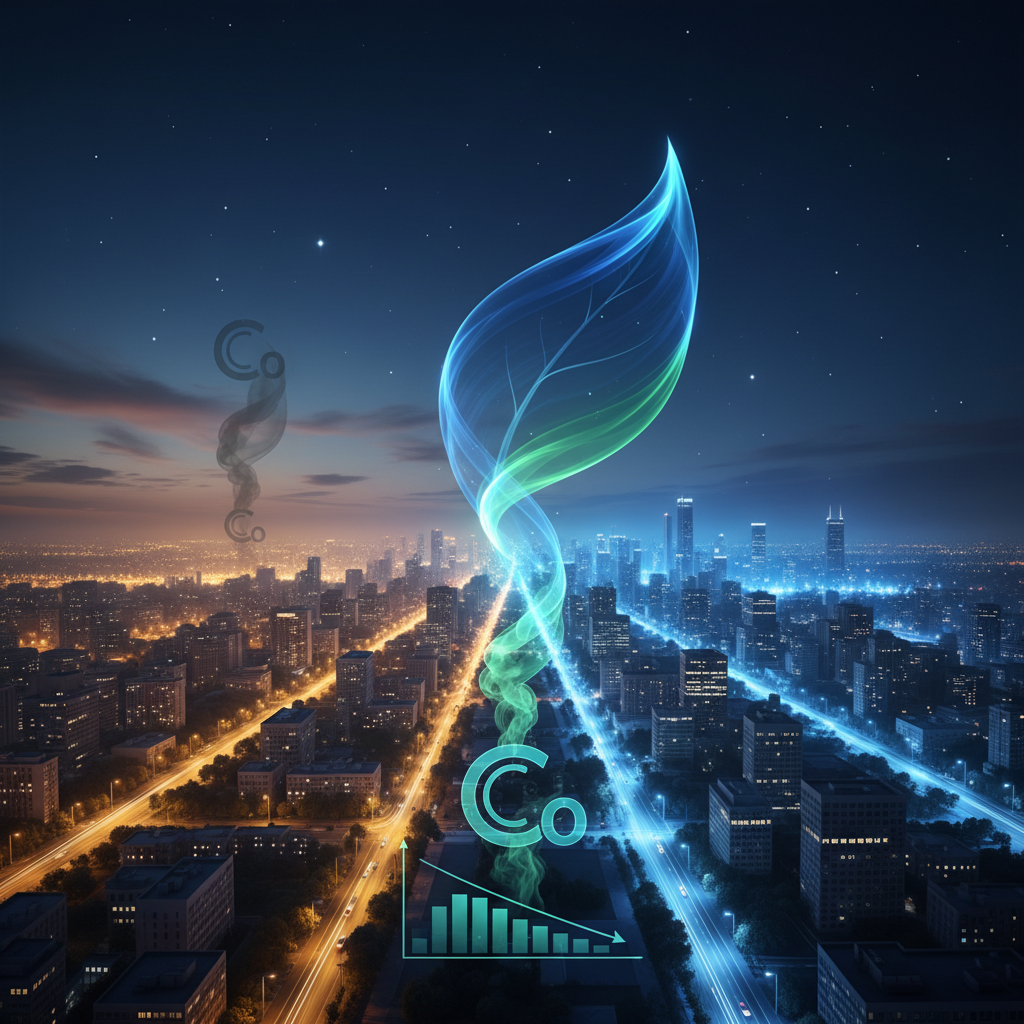
The environmental benefits of LED lighting products are striking, particularly in terms of reducing our carbon footprint. According to a report by the U.S. Department of Energy, widespread adoption of LED lighting could save the nation about 348 terawatt-hours of electricity by 2027, which translates to a reduction of over 200 million metric tons of carbon dioxide emissions. This significant impact stems from the fact that LEDs use at least 75% less energy than incandescent lighting, while lasting 25 times longer.

By transitioning to LED lighting, businesses and households alike can play a crucial role in combating climate change. Additionally, a study published by the International Energy Agency reveals that energy-efficient lighting solutions like LEDs can drastically reduce the overall environmental impact associated with electricity generation. With these advantages, it’s clear that investing in LED lighting is not just a cost-effective choice, but also a responsible environmental decision.

Tips: When selecting LED lighting products, look for those that are ENERGY STAR® certified to ensure optimal performance and energy efficiency. Additionally, consider smart lighting solutions that can be programmed to reduce energy consumption during non-peak hours. Lastly, always recycle old lighting products to minimize waste and promote sustainability in your community.

Comparative Analysis: Lifespan and Maintenance Costs of LEDs vs. Traditional Bulbs

The transition to LED lighting technology is rapidly gaining momentum in both developed and emerging countries, driven by significant benefits in longevity and maintenance costs. A comparative analysis reveals that LED bulbs typically last up to 25,000 hours or more, in stark contrast to traditional incandescent bulbs, which average around 1,000 hours. This extended lifespan translates into reduced replacement frequency and lower maintenance costs for consumers and businesses alike. Moreover, recent reports indicate that the global LED traffic sign and signal market is projected to grow from $1.06 billion in 2024 to $1.43 billion by 2033, with a compound annual growth rate (CAGR) of 3.5% between 2025 and 2033. This surge reflects the increasing adoption of LEDs in critical infrastructure, emphasizing the need for reliable and long-lasting solutions.

In addition to longevity, energy savings are a compelling reason for the shift towards LED technology. LEDs consume about 80% less energy compared to traditional bulbs, making them an eco-friendly choice that also lowers utility costs. As industries and municipalities seek to reduce their carbon footprints, the demand for energy-efficient lighting solutions is expected to rise significantly. Coupled with advancements in integrated technologies, such as the intersection of LED lighting with advanced driver-assistance systems (ADAS), the lighting industry stands at the forefront of innovation, promising enhanced safety and efficiency in various applications. This convergence of LED technology with essential sectors underscores its pivotal role in shaping the future of lighting solutions globally.

Innovative Developments Driving Future Trends in the LED Lighting Industry

Why LED Lighting Products Are the Future: 80% Energy Savings and Longevity Benefits

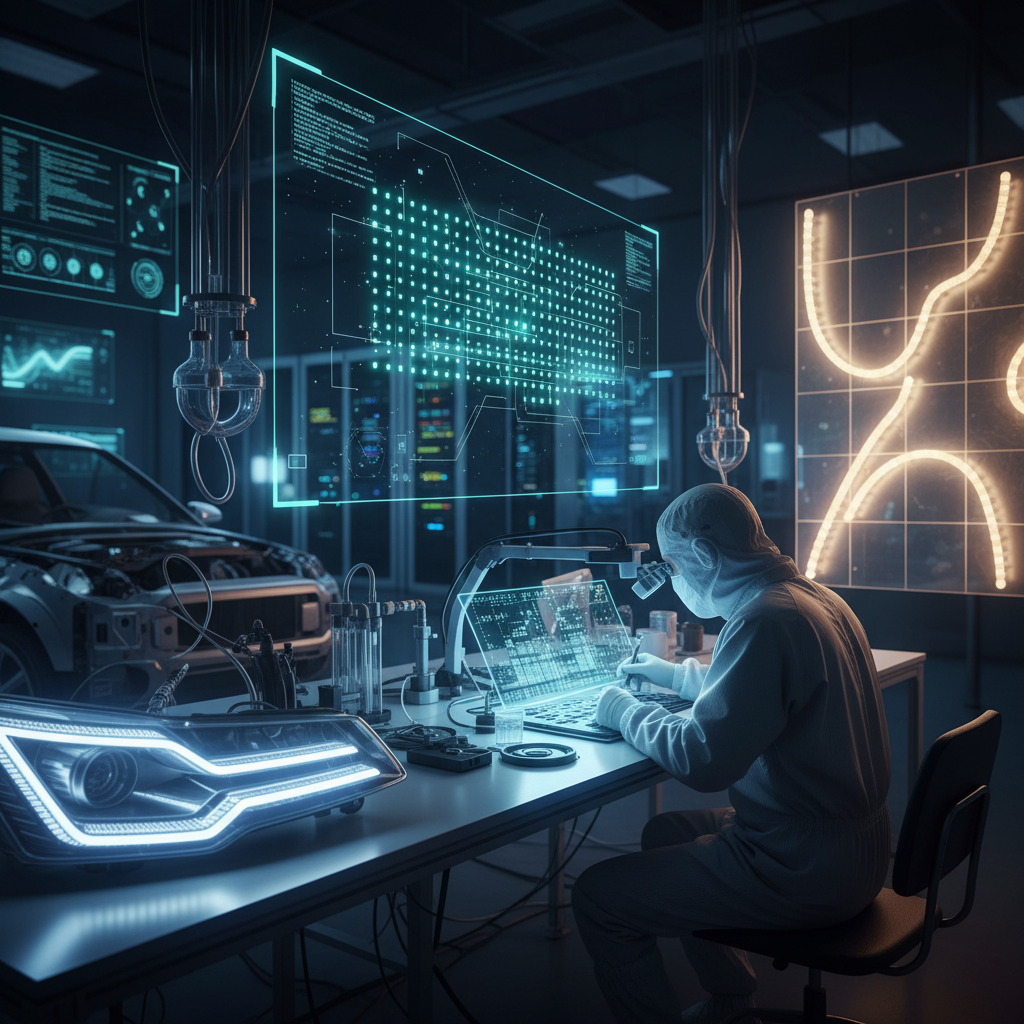
As the LED lighting industry continues to evolve, innovative developments are shaping its future trajectory, particularly in micro LED applications. The recent Display Week 2025 (SID 2025) showcased exciting advancements in this domain, reflecting the industry's commitment to reducing energy consumption and enhancing lighting efficiency. Micro LEDs offer remarkable energy savings and longevity, making them a focal point for diverse applications across various sectors, including automotive, residential, and commercial lighting.

In addition to micro LEDs, the U.S. smart lighting industry is witnessing a surge in trends driven by technological innovations. These advancements include the integration of smart systems that enhance user control and functionality, enabling more efficient energy usage. Key players in the market are focusing on sustainable solutions that meet the growing demand for eco-friendly lighting options while improving overall aesthetics and user experience. With a projected robust growth rate, the LED lighting market, particularly in the automotive sector, is poised to revolutionize how we perceive and utilize lighting in our everyday lives.

dLED: retail LED lighting
Privacy Overview

This website uses cookies so that we can provide you with the best user experience possible. Cookie information is stored in your browser and performs functions such as recognising you when you return to our website and helping our team to understand which sections of the website you find most interesting and useful.