
What Is an HDPE Liner and What Is It Used For?

An Hdpe Liner is a flexible sheet made from high-density polyethylene, designed to limit liquid movement through soil. It is used in landfills, mining facilities, reservoirs, and wastewater ponds, where leakage control protects nearby soil and water. The material offers low permeability and strong chemical resistance, but performance depends on more than the polymer itself. Seams, subgrade preparation, and installation quality matter.

Technical standards help put liner specifications in context. The U.S. Environmental Protection Agency’s municipal solid waste landfill criteria, in 40 CFR §258.40, specify a composite liner system and require an HDPE geomembrane component at least 60 mils thick. The Geosynthetic Institute’s GRI-GM13 specification provides quality-control criteria and test methods for HDPE geomembranes. These references show why buyers should compare documented properties, not just advertised thickness. Small details matter.

In the field, a liner may sit beneath drainage layers, protective geotextiles, or compacted soil. A single puncture or poorly tested seam can undermine an otherwise suitable system. That distinction matters. Engineers typically evaluate chemical exposure, temperature, ground movement, and installation conditions before selecting a product. No liner fits every site. Even strong materials have limits, and a product sheet cannot replace careful design or independent inspection. This guide explains what an Hdpe Liner is, how it works, and where its strengths and limitations matter most.
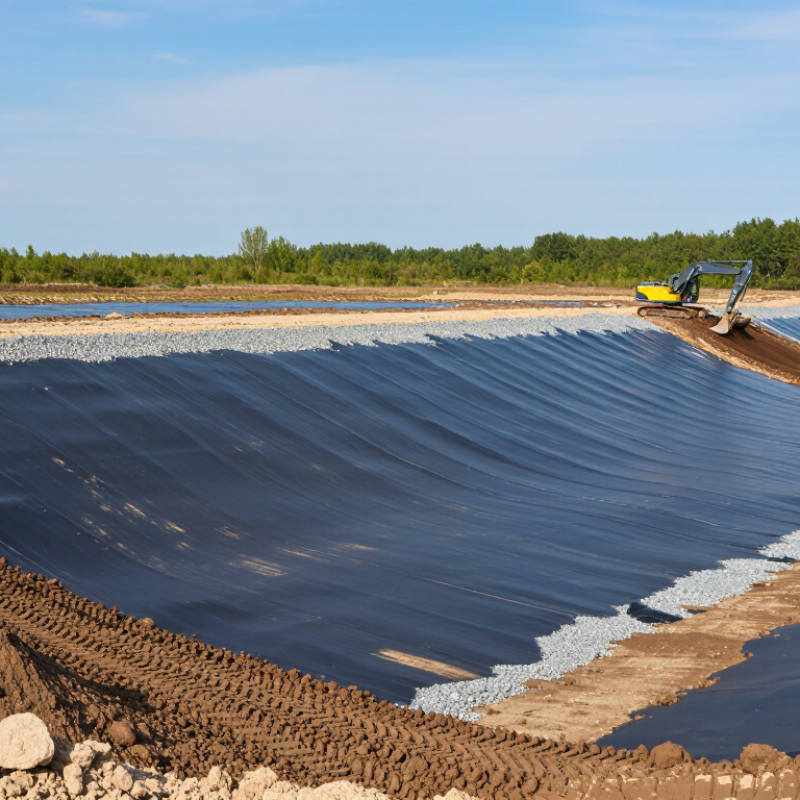
What Is an HDPE Liner and What Is It Used For?

What an HDPE Liner Is

An HDPE liner is a flexible geomembrane made from high-density polyethylene resin. It usually arrives in rolls or large panels, then is placed over prepared ground or inside a structure. The material has low permeability, helping limit water and many liquids from moving through soil. It also resists numerous chemicals and sunlight, though performance varies with the specific material and exposure conditions. It is not a magic shield. Seams, edges, and punctures can become weak points if installation or inspection is poor.

These liners are used as barriers in ponds, reservoirs, landfills, and containment areas. For example, a pond liner separates stored water from the underlying soil. The sheet itself is tough but not inflexible; sharp stones or uneven ground can cause damage during placement. Heat-welded seams join panels, and careful testing helps confirm that those joins are sound.

Tips: Check the ground for roots, stones, and abrupt dips before laying the liner. Match the liner’s thickness and chemical resistance to the project conditions, and ask a qualified installer how seams will be checked. Small details matter. Even a durable liner can fail when its base is poorly prepared.

Key Material Properties of HDPE Liners

HDPE liners are flexible sheets made from high-density polyethylene. They create a barrier between contained material and soil or water. Their performance depends on several properties, not thickness alone. The polymer has low permeability and resists many acids, alkalis, and salts. Actual compatibility depends on the chemical, its concentration, and temperature, so project testing matters. Strong tensile behavior helps the sheet handle movement beneath it, while its flexibility lets it conform to prepared surfaces. It is not puncture-proof. Sharp stones or uneven ground can still damage it.

Many HDPE formulations include carbon black to improve resistance to ultraviolet exposure. The material can also be heat-welded, creating seams that can be inspected and tested. Seam quality is critical; a sound sheet cannot compensate for a weak joint. Temperature changes cause expansion and contraction, so installers allow for movement and avoid excessive tension. That detail is easy to underestimate. HDPE may become less flexible in cold conditions, and long-term stress can contribute to cracking. Designers therefore consider exposure, subgrade conditions, installation quality, and the liner’s intended service life when selecting a thickness and specification.

Common Types and Forms of HDPE Liners

HDPE liners are supplied mainly as smooth or textured geomembranes, in rolls that are welded into larger field panels. Smooth sheets offer straightforward installation and inspection. Textured sheets add friction against soil or geotextiles, helping slopes resist sliding. Both sides can be textured when extra interface friction is needed. A small detail, but an important one. Geosynthetic Research Institute’s GRI-GM13 specification sets quality requirements for HDPE geomembranes, including thickness, tensile properties, and resistance to stress cracking. These checks help distinguish a suitable liner from a sheet that merely looks heavy-duty.

Other forms include conductive liners, which can help locate holes during electrical leak surveys, and factory-fabricated panels for smaller or awkwardly shaped sites. Thickness varies with project risk and design. For context, U.S. EPA Subtitle D criteria specify a minimum 60-mil HDPE geomembrane in the composite liner system for most municipal solid-waste landfills; this is a landfill benchmark, not a universal rule. In the field, rolls may meet around pipes, corners, and anchor trenches, where poor welding or wrinkles can undermine performance. Smooth liners may suit flat ponds, while textured material is often considered on steeper slopes. There is no perfect form for every site. Soil, slope, liquid chemistry, and installation quality all matter. Some choices still involve trade-offs, so project specifications and experienced inspection should guide selection.

What Is an HDPE Liner and What Is It Used For? - Common Types and Forms of HDPE Liners

Type or Form Key Features Common Uses Main Advantages Important Considerations
Smooth HDPE geomembrane Flat, low-texture surface; supplied in rolls or fabricated panels. Available in project-specified thicknesses. Landfill base and cap systems, ponds, reservoirs, canals, wastewater facilities, and secondary containment. Provides a low-permeability barrier and is generally straightforward to deploy and seam by thermal welding. Can be slippery on slopes, particularly when wet. Slope stability and interface friction should be evaluated in the design.
Single-sided textured HDPE geomembrane One surface is textured to increase friction; the opposite surface is typically smooth. Containment systems with a sloped interface against soil, geotextile, or another compatible material. Can improve interface friction on the textured side while retaining a smooth surface on the other side. Texture and adjacent materials affect interface performance. Friction should be verified for the specific project conditions.
Double-sided textured HDPE geomembrane Both surfaces are textured to provide increased interface friction on either side. Steep-slope landfill cells, mining facilities, and other containment systems where slope stability is important. Offers textured contact surfaces on both sides of the liner. Welding procedures and seam quality control must be appropriate for the textured product and installation conditions.
Conductive HDPE geomembrane Specialty geomembrane with a conductive layer or surface designed for electrical leak-location methods. Projects that include electrical leak detection as part of liner installation or quality assurance. Can support electrical methods for locating defects when used with compatible materials and testing equipment. Leak-location performance depends on system design, site conditions, installation, and the selected test method.
Roll goods Continuous sheets delivered in rolls, with roll width and length selected for the project. Large-area lining works where panels can be deployed and seamed on site. Suitable for covering broad areas with field-welded seams. Handling, subgrade preparation, weather, panel layout, and field seam inspection affect installation quality.
Factory-fabricated panels Sections are joined in a controlled setting before delivery, reducing the amount of field seaming required. Ponds, tanks, small containment areas, and locations where a custom panel layout is practical. Can reduce on-site seam length and simplify deployment for appropriately sized projects. Panel dimensions are limited by transport and site access. Remaining field seams still require proper welding and inspection.

HDPE (high-density polyethylene) geomembranes are low-permeability synthetic liners used to contain liquids or isolate materials. The appropriate surface texture, thickness, and panel format depend on the design, site conditions, and applicable project specifications.

Industries and Applications That Use HDPE Liners

HDPE liners are used across industries that need a durable barrier between liquids, soil, and groundwater. In mining, they can line tailings areas and process-water ponds, where chemical exposure and abrasion require careful material selection. Landfills use them beneath waste cells to limit liquid migration. Wastewater facilities may line treatment ponds, while farms use liners in irrigation reservoirs and manure storage basins. Construction projects also use them in containment areas and artificial lakes. Each site has different conditions; one liner design does not fit every job.

Installation matters as much as the sheet itself. A smooth, compacted base helps prevent punctures from sharp stones, while properly welded seams reduce leakage risks. Designers should consider liquid chemistry, temperature, slope, and expected movement before choosing thickness and protection layers. HDPE resists many chemicals, but it is not invulnerable. Poor seam work can undermine an otherwise sound installation.

Tips: Inspect the subgrade before placing the liner, and remove protruding debris. Keep a record of seam tests and repairs. Small defects can be easy to miss, especially around pipes and corners, so plan for close inspection rather than assuming the finished surface is flawless.

How HDPE Liners Are Selected and Installed

Selecting an HDPE liner starts with the liquid, ground conditions, and expected service life. A pond holding clean water has different risks from a lined waste cell exposed to chemicals. Designers assess chemical compatibility, temperature, ultraviolet exposure, slope stability, and puncture hazards. GRI-GM13 provides index-property requirements for HDPE geomembranes, including thickness classes such as 1.5 mm. That figure is a specification benchmark, not a universal design choice. The U.S. EPA’s municipal solid-waste landfill rules also specify a composite liner system, rather than relying on a geomembrane alone. Details matter. A project engineer should check the governing design documents and site conditions before choosing thickness or surface texture.

Installation quality can decide whether the selected liner performs as intended. Crews prepare and inspect the subgrade, removing sharp stones, roots, and debris before unrolling panels. They align seams, control wrinkles, and use qualified technicians to weld adjoining sheets. Trial seams and nondestructive seam testing help identify weak welds; destructive samples can verify strength. Weather matters, too. Wind can lift a loose panel, while rain or dust can compromise seam work. I would not treat a datasheet as a site guarantee. Installation records, seam maps, and documented repairs make later inspection more reliable, though even careful records cannot replace sound field work. GRI’s GM13 specification and applicable project plans offer useful benchmarks, but actual acceptance criteria should be set for the specific site.

What Is an HDPE Liner and What Is It Used For?

HDPE geomembranes are low-permeability plastic liners used to contain liquids and separate materials in applications such as ponds, landfills, and reservoirs. The chart shows common nominal thickness options; the right thickness depends on project specifications, subgrade conditions, and expected loads.

Thickness conversions are approximate: 1 mil equals 0.001 inch, and 1 inch equals 25.4 millimeters. Selection and installation should follow project engineering requirements.

Article Source:

dLED: retail LED lighting
Privacy Overview

This website uses cookies so that we can provide you with the best user experience possible. Cookie information is stored in your browser and performs functions such as recognising you when you return to our website and helping our team to understand which sections of the website you find most interesting and useful.