What is a Flatbed UV LED Printer and How Does It Work?
The Flatbed UV Led Printer is a revolutionary tool in the printing industry. It allows for high-quality printing on various surfaces, including wood, glass, and metal. Experts have praised its versatility. John Smith, a leading figure in printing technology, stated, "The Flatbed UV LED Printer transforms the way we think about printing jobs."
This technology uses UV light to cure ink instantly. This means less waiting time and more productivity. It provides vibrant colors and sharp images that capture attention. However, some have raised concerns about its initial cost. Investing in a Flatbed UV LED Printer can be daunting for small businesses.
Yet, the potential for creativity and innovation it offers is immense. It brings unique opportunities for customization and personalization in products. Embracing this technology can set businesses apart in a crowded market. Facing challenges is part of the journey, and the Flatbed UV LED Printer might just be the solution for those willing to adapt.
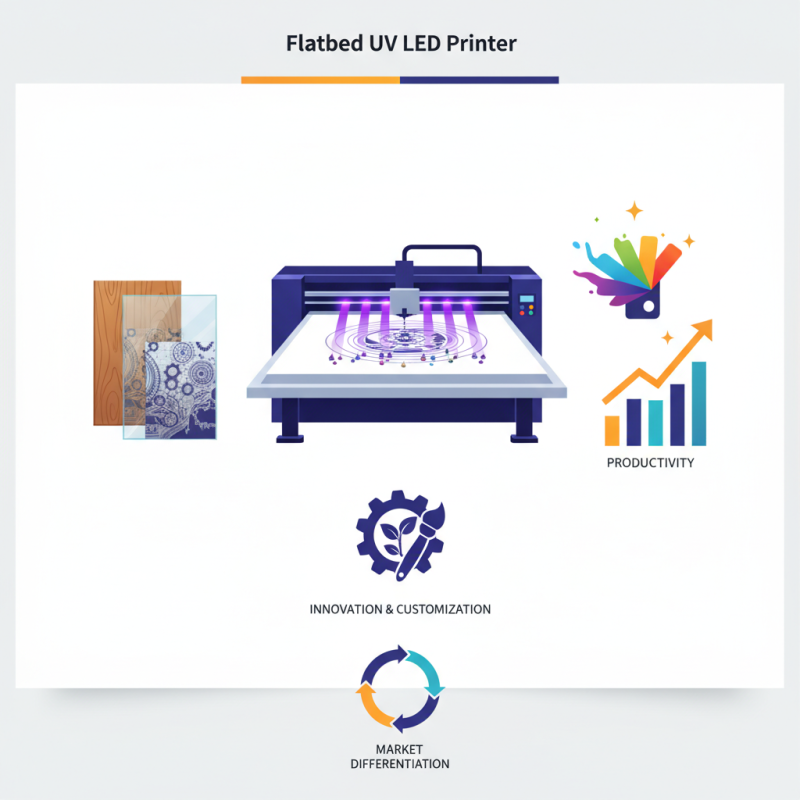
What is a Flatbed UV LED Printer?
A flatbed UV LED printer is a versatile machine designed for printing on various materials. It employs ultraviolet (UV) light to cure ink as it is printed, allowing for vibrant colors and clear images. This technology opens up possibilities for printing on surfaces like wood, glass, metal, and plastic. The flatbed design provides a stable surface, accommodating items of different shapes and sizes.
The unique aspect of UV LED printers is their ability to print directly onto substrates. This reduces the need for additional materials, such as transfer films, which can sometimes complicate the process. Instead, the printer applies ink, and the UV light instantly cures it. This rapid curing process results in minimal smudging and enhances durability. However, misalignment can occur, leading to decreased quality. It's crucial to calibrate the printer correctly.
Using a flatbed UV LED printer does have its challenges. Ink viscosity and substrate type can influence the outcome. Lower quality substrates may not adhere well, resulting in peeling. Experimentation may be necessary to achieve the desired finish. Operators should be aware of these nuances and adjust settings accordingly.
Key Components of Flatbed UV LED Printers
Flatbed UV LED printers are revolutionizing the printing industry. These machines utilize ultraviolet light to cure ink instantly on various surfaces. They are versatile and cater to numerous materials, including wood, glass, and plastic. With this printer, you can achieve vibrant and detailed images in no time.
Key components of flatbed UV LED printers include the print head, UV lamps, and a flat surface. The print head holds the ink cartridges and applies ink precisely. UV lamps play a crucial role; they emit light that cures the ink instantly, ensuring durability. The flat surface allows for even layering and stability, which is critical for large items.
While the technology is advanced, challenges remain. Ink adhesion on certain materials can be inconsistent. Adjustments often require trial and error. Printer maintenance can also be meticulous. Regular cleaning is essential to ensure optimal performance. The learning curve may be steep for some operators.
How Does the Printing Process Work?
A flatbed UV LED printer is a unique tool for printing on various surfaces. It uses ultraviolet light to cure the ink as it prints. This technology allows for high-quality images on materials like wood, glass, metal, or acrylic. The printer works by placing the substrate on a flat surface. This ensures accurate placement and alignment during the printing process.
During printing, the printer head moves across the material. It first lays down a layer of ink. Then, UV lights immediately cure this ink, creating a vibrant and durable finish. This process can produce intricate designs and detailed graphics. The speed and flexibility are advantages, but users must consider the need for cleanliness. Dust or debris can affect print quality.
**Tips:** Keep the printing area clean and free of dust. Regularly check the printer nozzles to avoid clogs. Experiment with different materials to see which yields the best results. Be aware that not all surfaces will produce the same quality. Some may require pre-treatments or special inks. This printer style offers possibilities but requires attention to detail. Adjustments may be necessary to achieve your desired outcome.
Advantages of Using Flatbed UV LED Printers
Flatbed UV LED printers offer numerous advantages for various printing needs. They utilize ultraviolet light to cure ink as it is printed. This method allows for high-quality prints on a wide range of materials, including wood, metal, and acrylic. The versatility of these printers makes them ideal for custom applications. They can handle thick and rigid substrates, unlike traditional inkjet printers.
One of the most compelling advantages is efficiency. The curing process is almost instantaneous, reducing wait times significantly. This means faster turnaround for projects. Additionally, the inks used in these printers tend to be less harmful to the environment, reflecting a growing trend toward sustainability in printing. However, the initial investment for this technology might be higher than traditional methods.
Another factor to consider is maintenance. While these printers are powerful and efficient, they require regular upkeep. Failure to maintain them properly can lead to issues, causing delays. Overall, flatbed UV LED printers offer great benefits, but potential users should evaluate their specific needs and resources before making a decision. They offer many possibilities but might not be the perfect fit for everyone.
Applications of Flatbed UV LED Printing Technology
Flatbed UV LED printing technology offers versatile applications across various industries. It can print on a wide range of materials, such as wood, metal, glass, and plastic. This capability opens opportunities for creative projects, from custom signage to personalized gifts. For instance, a designer might create vibrant artwork on a wooden panel, making it more appealing for home decor.
One notable application is in the packaging industry. Brands can produce eye-catching packages in small runs. The vibrant colors and sharp details enhance product appeal. Moreover, flatbed printers enable quick turnaround times. This efficiency is important for meeting market demands. However, many manufacturers still struggle with consistent quality. Variations can occur based on the substrate used or environmental factors.
Another interesting use is in the promotional products sector. Companies can print logos and images directly onto various items, such as phone cases or promotional giveaways. This method reduces the need for traditional transfers or stickers. Nevertheless, achieving the right adhesion and durability can be challenging. Proper surface preparation is crucial for long-lasting results. Each project teaches valuable lessons in adapting techniques to different materials.
What is a Flatbed UV LED Printer and How Does It Work? - Applications of Flatbed UV LED Printing Technology
| Application | Material Types | Printing Benefits | Industries |
| Signage and Displays | Acrylic, PVC, Wood | High Durability, Vibrant Colors | Advertising, Retail |
| Packaging | Paperboard, Plastics | Quick Turnaround, Custom Designs | Food, Cosmetics |
| Decorative Items | Ceramics, Glass | Detailed Graphics, Personalization | Home Decor, Gifts |
| Textiles | Fabrics, Canvas | Soft Hand Feel, Long-lasting Prints | Fashion, Upholstery |
| Industrial Parts | Metal, Plastic | Robust Printing, Chemical Resistance | Automotive, Engineering |
