What is an Evaporative Air Cooler and How Does It Work?
Understanding how an Evaporative Air Cooler works is essential in today’s climate. John Smith, an industry expert with over 20 years of experience, once noted, "Evaporative air cooling is an efficient way to achieve comfort in dry climates." This statement underscores the significance of these coolers in regions characterized by low humidity.
An Evaporative Air Cooler uses the natural process of evaporation to cool air. It draws in warm air, passes it through water-saturated pads, and releases the cooled air into your space. This method not only cools the air but also adds moisture, improving comfort levels. The design is simple and requires minimal energy compared to traditional air conditioning systems.
Yet, despite their benefits, Evaporative Air Coolers are not without their limitations. They work best in dry conditions, and their efficiency decreases in humid environments. Users often overlook the maintenance needed to keep these coolers operating effectively. Regularly checking water levels and cleaning pads are necessary tasks. Understanding these factors can lead to better choices for home cooling solutions.
What is an Evaporative Air Cooler?
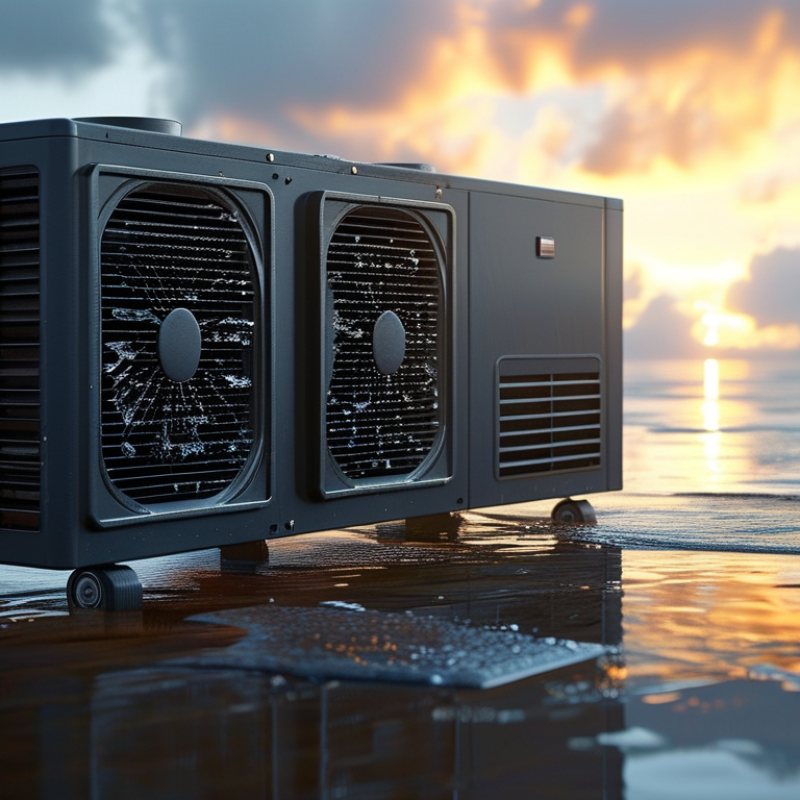
An evaporative air cooler, often referred to as a swamp cooler, operates on a simple and effective principle. It uses the natural process of evaporation to cool the air. Warm air passes through wet pads, where it absorbs moisture. As the air evaporates the water, it cools down, creating a refreshing breeze. This method is energy efficient and requires less electricity compared to traditional air conditioning units.
Evaporative air coolers are particularly effective in dry climates. They work best when the humidity is low, maximizing the cooling effect. Many users appreciate the cooler's ability to lower temperatures significantly while maintaining a pleasant level of humidity indoors. However, placement is key. If positioned too close to sources of humidity, their efficiency may decrease.
While these coolers can provide comfort, they also demand regular maintenance. The water level must be monitored, and pads should be cleaned or replaced to ensure optimal performance. Without proper care, the unit could potentially circulate stale or unpleasant air. Some users find it challenging to maintain this routine, which might diminish their cooling experience. Balancing cooling needs with upkeep is essential for achieving maximum comfort.
Key Components of an Evaporative Air Cooler
Evaporative air coolers, also known as swamp coolers, rely on a few key components to deliver effective cooling. The primary components include a fan, a water reservoir, and cooling pads. The fan draws warm air from the outside, while the water evaporates as it passes through the wet pads. As documented by the U.S. Department of Energy, this process can lower temperatures by up to 20 degrees Fahrenheit, making it a cost-effective option in arid climates.
The cooling pads are often made of cellulose or aspen, which hold water effectively. They are critical for maximizing the evaporation process. Regular maintenance is vital. Clogged or dirty pads lose efficiency and can lead to poor air quality. According to industry reports, well-maintained systems can operate at 75% efficiency, while neglected ones may drop to below 50%.
Water quality also plays a significant role. Hard water can lead to mineral buildup in the system. This buildup reduces airflow and can necessitate costly repairs. Regularly changing the water and cleaning the pads can mitigate these issues. It's essential to consider climate variables, as evaporative coolers might not be suitable for humid regions, where their effectiveness significantly decreases.
How Does Evaporative Cooling Work?
Evaporative cooling is a natural process that uses water evaporation to cool air. When water evaporates, it absorbs heat from the air. This results in cooler air being produced. The process is simple yet effective, making it a popular choice in dry climates. An evaporative air cooler draws warm air through wet pads. As the air passes, it cools down significantly.
This method relies on low humidity levels to be effective. In areas with high humidity, the cooling effect diminishes. It's fascinating how nature provides such an efficient cooling solution. However, not everyone is aware of its limitations. For instance, if the air is already saturated with moisture, the system struggles to deliver cooler air. Users may find this frustrating if they expect consistent results.
Maintaining the cooler is vital for optimal performance. Regular cleaning of the water reservoir and pads ensures better efficiency. Neglecting these tasks can lead to stagnant water and reduced cooling. While evaporative coolers can be energy-efficient, they require proper setup. Users must consider building orientation and airflow. These factors can significantly impact their effectiveness. The learning curve can be challenging, but the benefits are worth exploring.
Evaporative Air Cooler Efficiency Comparison
This chart illustrates the performance metrics of an evaporative air cooler, showing how temperature, humidity, and cooling efficiency interact in a cooling environment.
Benefits of Using Evaporative Air Coolers
Evaporative air coolers, also known as swamp coolers, are an efficient and eco-friendly option for cooling. They work by using the evaporation of water to lower air temperature. As warm air passes through water-saturated pads, it cools before being circulated into the space. This process not only reduces temperature but also adds humidity to the air, making it ideal for dry climates.
One of the main benefits of evaporative air coolers is their energy efficiency. They use significantly less electricity than traditional air conditioning systems. Reports indicate that they can save homeowners up to 75% on cooling costs. Moreover, these coolers do not rely on harmful refrigerants, making them an environmentally friendly choice. They also improve indoor air quality by bringing in fresh outdoor air, which can help reduce indoor pollutants.
Tip: Regular maintenance, like cleaning the pads and water reservoirs, ensures optimal performance.
These coolers, however, are not suitable for all environments. In high humidity areas, their effectiveness diminishes. Users may also need to adjust their expectations. The temperature drop may not match that of an air conditioning unit, which can lead to discomfort in extremely hot conditions.
Tip: Consider pairing your evaporative cooler with fans to enhance airflow and cooling efficiency.
Maintenance Tips for Evaporative Air Coolers
Evaporative air coolers require regular maintenance to operate efficiently. According to industry reports, neglecting maintenance can reduce cooling efficiency by up to 30%. Cleaning the water reservoir, for instance, prevents mineral buildup that can impede airflow. This simple task can significantly enhance performance.
Replacing or cleaning pads is crucial, too. These components absorb moisture and need regular upkeep. It’s recommended to check them at least once a month during peak usage. If the pads appear stained or clogged, replacement is often the best course of action. Professionals suggest using high-quality pads, as they can last longer and perform more effectively.
Lastly, always check the water level. Adequate water supply directly impacts cooling capacity. A low water level can lead to overheating and potential damage. Simple checks can ensure proper function. Regular maintenance not only extends the lifespan of your cooler but also enhances overall air quality. Taking these steps can prevent bigger problems down the line.
What is an Evaporative Air Cooler and How Does It Work? - Maintenance Tips for Evaporative Air Coolers
| Feature | Description | Maintenance Tip |
| Cooling Method | Uses evaporation of water to cool air. | Check and refill water regularly. |
| Energy Efficiency | Generally consumes less energy than traditional air conditioning. | Clean filters monthly to maintain efficiency. |
| Ideal Use | Best suited for dry climates. | Position unit in well-ventilated areas. |
| Humidity Control | Adds moisture to the air while cooling it. | Monitor indoor humidity levels. |
| Cost | Lower initial cost compared to AC units. | Inspect for leaks and damages annually. |
