
An Ev Coolant Heater plays a crucial role in electric vehicles. It ensures optimal battery performance in cold conditions. Without proper heating, an EV's range can significantly decrease.
When temperatures drop, the battery's efficiency is impacted. An EV Coolant Heater helps maintain an ideal operating temperature. It works by circulating heated coolant around the battery pack. This process keeps the battery warm and functional.
Yet, some may not fully understand its importance. Many might assume that electric vehicles do not require such systems. This misconception can lead to unexpected issues. Cold weather can drastically affect how long an EV lasts on a single charge. Recognizing the necessity of an EV Coolant Heater is essential for all electric vehicle users.
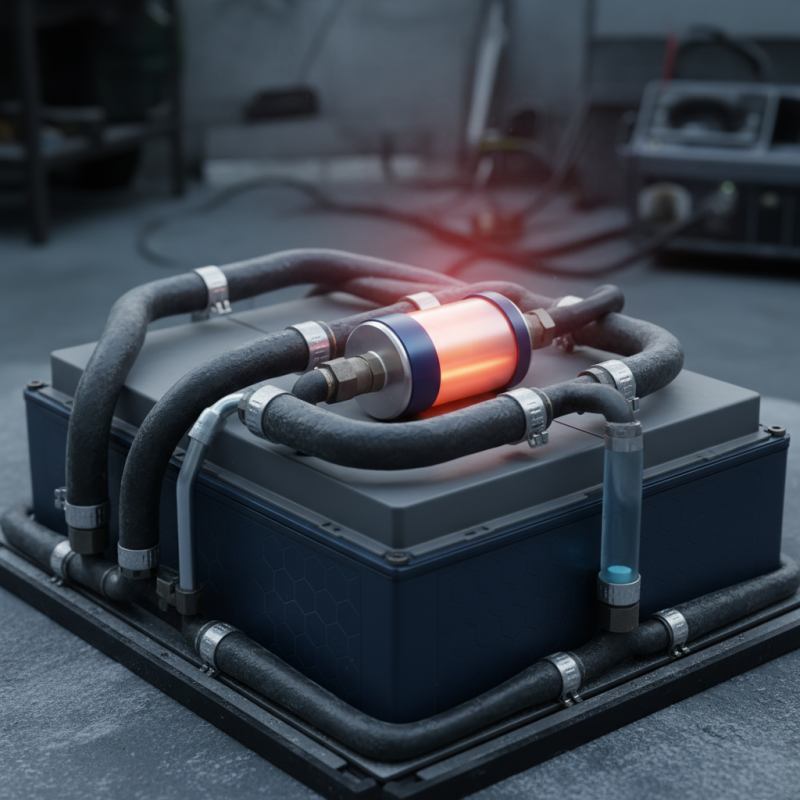
An electric vehicle (EV) coolant heater is a vital component for temperature management in EVs. It heats the coolant fluid, ensuring the battery system maintains an optimal operating temperature. This is especially important in colder climates, where battery performance can drop significantly.
The operation of the coolant heater involves electrical resistance. When electricity passes through the heating element, it generates heat. This heated coolant circulates through the battery and other components, helping to warm them up. However, not all designs are equally efficient. Some may take longer to heat the coolant, affecting performance.
Moreover, the placement of the heater is crucial. A poorly positioned heater may lead to uneven heating. This situation can create hot spots, which may damage battery cells over time. Engineers are constantly refining these systems, but challenges remain. Balancing energy consumption with effectiveness is no easy feat. High energy use can affect the vehicle’s range, requiring careful consideration during design.
| Feature | Description |
|---|---|
| Function | Heats the coolant in the electric vehicle to improve cabin heating and battery efficiency. |
| Operation | Uses electric resistance to warm the coolant, which is then circulated through the heating system. |
| Benefits | Increases comfort in cold weather, improves heat management for battery performance, and lowers energy consumption compared to other heating methods. |
| Installation | Typically integrated into the vehicle’s coolant system, often as part of the heat pump system. |
| Power Source | Powered by the vehicle's battery, ensuring efficient use of electricity. |
| Usage in EVs | Commonly used in electric vehicles to provide heating without significantly draining the battery. |
The functionality of an EV coolant heater is crucial for efficient vehicle operation. This device helps manage the temperature of the electric vehicle's battery and motor. By heating the coolant, the system ensures optimal performance in cold weather. This is essential because cold temperatures can hinder battery performance, reducing range and efficiency.
An EV coolant heater works by circulating heated fluids through the battery and motor. This process raises their temperatures, allowing them to operate within an optimal range. Without this heating mechanism, an electric vehicle may struggle to start or perform adequately in lower temperatures. Drivers may notice less efficiency when the vehicle is exposed to harsh weather.
However, not all designs are perfect. Some systems may take longer to heat the coolant, leading to initial performance issues. Additionally, the energy used for heating can impact overall efficiency. It's important for engineers to consider these factors when designing EV systems. The balance between heating efficiency and energy consumption remains a challenge. Addressing these imperfections could lead to better solutions in the future.
EV coolant heaters play a crucial role in enhancing the efficiency of electric vehicles. These systems maintain optimal operating temperatures in EV batteries and other components. By ensuring the right thermal environment, EV coolant heaters can increase battery life and performance. Reports indicate that a well-maintained thermal management system can improve battery efficiency by up to 30%. This is essential as battery performance can degrade significantly in extreme weather conditions.
Using EV coolant heaters also leads to a more comfortable driving experience. Electric vehicles can struggle to provide adequate cabin heat in colder temperatures. Coolant heaters help pre-condition the vehicle's interior, offering warmth before the driver gets in. Studies show that proper thermal management can cut energy waste, increasing the overall range of an EV. However, it's worth considering that inefficient designs in cooling systems can lead to energy losses, negating some of the benefits.
Moreover, the integration of coolant heaters can lead to complications in design and installation. Engineers may encounter challenges in optimizing size and weight while ensuring efficacy. Some reports suggest that nearly 20% of installations face such design hurdles. Additionally, maintenance of these systems can be overlooked, impacting their effectiveness and longevity. Thus, while EV coolant heaters offer significant advantages, there remains a need for continuous improvement and attention to their implementation.
EV coolant heaters play a crucial role in maintaining optimal temperatures within electric vehicles. These heaters help ensure that the battery and other components operate efficiently. They are essential for both performance and safety.
A key component of an EV coolant heater is the heating element. This element warms up the coolant fluid, helping to regulate the vehicle’s temperature. Another important part is the circulation pump, which moves the heated coolant through the system. The control unit manages the heater’s operation, activating it based on the temperature readings. These systems often work together seamlessly, yet they can be prone to issues.
Monitoring these components is vital. Problems can arise from malfunctioning pumps or damaged heating elements. Such failures can lead to overheating or reduced efficiency. Regular check-ups can help prevent these issues. There's always room for improvement in design and reliability. Understanding the inner workings of these systems can enhance maintenance efforts.
Electric vehicles (EVs) rely on efficient heating systems, notably coolant heaters. These heaters are essential for maintaining optimal battery temperatures. A study shows that properly managed battery temperature can improve overall EV range by up to 20%. This means drivers can expect more mileage from a single charge.
Coolant heaters help manage the thermal environment effectively. They provide heat during cold weather, ensuring the vehicle performs well. In frigid conditions, battery performance can drop significantly, sometimes by 30% or more. Heating systems mitigate this issue, potentially enhancing performance.
However, there is room for improvement. Many existing heaters can consume considerable energy. If not optimized, they might reduce the vehicle's overall efficiency. Manufacturers face a challenge: balancing heating needs with energy consumption. Current data suggests that more efficient heating could lead to a 10% increase in overall vehicle efficiency. This is a crucial area for development as the industry progresses.
