
What is a Damper Actuator and How Does It Work?

A Damper Actuator plays a crucial role in various HVAC systems. This device regulates the flow of air by controlling dampers. Dampers are mechanical components that open or close to manage airflow. An effective damper actuator ensures energy efficiency and proper ventilation.

Understanding how a damper actuator works can be complex. The actuator relies on various mechanisms, typically powered by electrical signals. When triggered, it moves the damper to the desired position. But, what if the actuator fails? Poor performance can lead to temperature imbalances. Proper maintenance is essential for optimal function.

In many cases, users overlook the importance of damper actuators. Ignoring these components can result in higher energy costs. Regular checks can prevent costly repairs. Understanding their function allows for better decision-making. A well-functioning damper actuator enhances comfort and efficiency in any building.
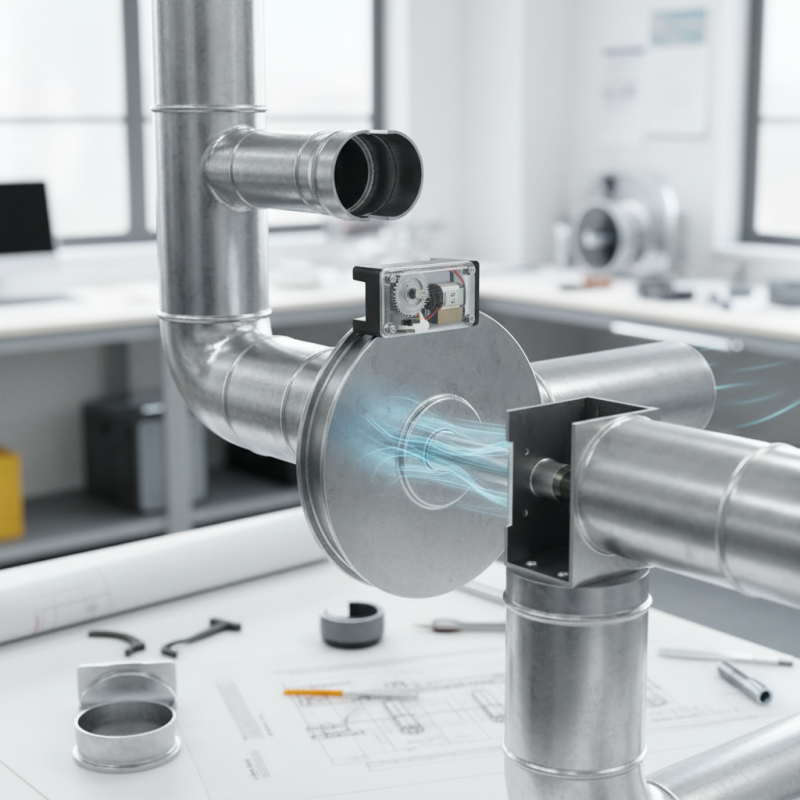
What is a Damper Actuator and How Does It Work?

Understanding the Definition of a Damper Actuator

A damper actuator is a vital component in HVAC systems. It regulates airflow within ductwork by controlling the position of dampers. These devices help maintain desired temperatures and enhance energy efficiency. According to industry reports, proper control can lead to energy savings of up to 20% in commercial buildings.

The actuator receives signals from the building's control system. It adjusts dampers accordingly, allowing for precise airflow management. This capability improves comfort and reduces energy waste. However, many systems still rely on outdated technology. In fact, studies show that around 30% of HVAC systems do not perform as intended due to insufficient actuator capabilities.

It's crucial for building operators to assess their current systems. Outdated actuators can hinder overall performance. Regular maintenance and upgrades can prevent issues. This ensures that the system meets current energy standards. Ignoring these details can lead to increased operational costs and reduced comfort levels. Investing in efficient damper actuators is not just beneficial; it's necessary.

Overview of Damper Actuators Performance

This chart illustrates critical performance metrics of damper actuators, including speed, torque, response time, power consumption, and lifetime. These metrics help in understanding the efficiency and reliability of damper actuators in various applications.

Types of Damper Actuators and Their Applications

Damper actuators are essential in managing airflow within various systems. Depending on their type, they serve different purposes. The most common types are pneumatic, electric, and hydraulic actuators. Each type uses various power sources to open and close dampers effectively.

Pneumatic actuators utilize compressed air for movement. They are often used in industrial settings and provide rapid response times. Electric actuators, on the other hand, rely on electric motors. They are versatile and can be installed in tight spaces, but their reliance on electricity can be a drawback during power outages. Hydraulic actuators are powerful, suitable for larger applications. However, they can be more complex and require regular maintenance.

In practice, choosing the right type may not be straightforward. Each actuator has its advantages and limitations. System requirements often dictate the choice. Proper installation and adjustments can be challenging too. It’s important to select an actuator based on specific needs, but sometimes the best choice isn’t clear until after installation.

How Damper Actuators Operate Mechanically and Electronically

Damper actuators are crucial components in HVAC systems. They help control airflow in ducts. These devices can operate both mechanically and electronically, adapting to various needs. Mechanical systems often use levers and springs. They respond to pressure differences in air systems. This makes them reliable but less flexible.

Electronic dampers utilize motors and sensors. They provide precise control for better airflow management. These actuators can adjust based on real-time data. For example, they can respond to changes in temperature or occupancy. An electronic damper might close if a room is empty, saving energy. However, they can malfunction if there is poor maintenance. Regular checks are essential to avoid such issues.

Despite advancements, challenges remain. An actuator may become unresponsive during high demand. This can disrupt air circulation, creating uncomfortable conditions. Users may overlook the importance of routine monitoring. It’s vital to recognize that both mechanical and electronic systems need care. Understanding their operation can lead to more efficient use and longevity.

Key Components and Functionality of a Damper Actuator

A damper actuator is a key component in HVAC systems. It controls the airflow in ductwork. Proper functionality is essential for energy efficiency and indoor comfort.

Key components of a damper actuator include the motor, control signal, and damper blade. The motor drives the movement of the damper blade. It opens or closes based on the control signal received from the HVAC system. This simple mechanism ensures that air flows where it’s needed, optimizing heating and cooling. Sometimes, the actuator can malfunction. Regular checks can prevent issues.

Tip: Check the actuator every few months. Look for any signs of wear or damage. Early detection can save costs later on.

The mechanism can also be affected by temperature changes. Extreme heat or cold can impact performance. When installing a damper actuator, consider the environment. Proper insulation can improve longevity.

Tip: Don’t ignore feedback from the system. Listen for unusual sounds. Odd noises could indicate a problem. It's better to address it right away.

What is a Damper Actuator and How Does It Work? - Key Components and Functionality of a Damper Actuator

Component Description Functionality
Actuator A device that converts energy into motion Controls the position of dampers in HVAC systems
Spring A mechanical component that stores and releases energy Provides resistance to changes in position and helps return the damper to its original state
Motor An electrical device that converts electrical energy into mechanical motion Drives the actuator to adjust the damper position
Feedback Sensor A device that provides information about the damper position Allows for precise control and adjustment of the damper
Control System A system that coordinates the operation of the actuator Ensures that the damper operates effectively in response to environmental changes

Benefits and Challenges of Using Damper Actuators in Systems

Damper actuators play a critical role in various systems, primarily in HVAC applications. They regulate airflow, enhancing energy efficiency. According to industry reports, using these devices can lead to energy savings of up to 30%. However, challenges such as installation complexity and integration issues can arise.

One significant benefit of damper actuators is improved temperature control. By adjusting dampers precisely, systems maintain desired climate conditions. This capability reduces energy consumption. Yet, it is essential to ensure compatibility with existing systems. Improper integration may lead to performance loss, necessitating careful evaluation.

Tips: Regular maintenance of damper actuators is crucial. Dirt and debris can hinder their function. Keeping the components clean prolongs their lifespan. Another tip involves assessing your system's needs before choosing actuators. Misjudged requirements can result in inefficiencies.

Challenges also include the potential for noise. Poorly designed actuators or incorrect installation may lead to unwanted sounds. Addressing this issue early can save headaches later. Balancing benefits and challenges requires ongoing attention and adaptation in a dynamic environment.

dLED: retail LED lighting
Privacy Overview

This website uses cookies so that we can provide you with the best user experience possible. Cookie information is stored in your browser and performs functions such as recognising you when you return to our website and helping our team to understand which sections of the website you find most interesting and useful.