
Choosing the right Aluminum Alloy Profile is crucial for various applications. Industry expert John Smith once stated, "The right profile makes all the difference in performance and durability." His experience highlights the importance of selecting appropriate alloys.
Aluminum alloys come in various types, each serving specific purposes. Understanding the different properties of these profiles is essential. Factors such as strength, corrosion resistance, and weight play significant roles in this decision-making process. A well-chosen Aluminum Alloy Profile can enhance product longevity and efficiency.
However, the process is not always straightforward. Misinformation can lead to poor choices. It's vital to consult with professionals who understand the nuances of aluminum selection. Careful consideration of your project's requirements will lead to better results. Remember, experience tells us that a thoughtful approach to choosing an Aluminum Alloy Profile can yield significant benefits in the long run.
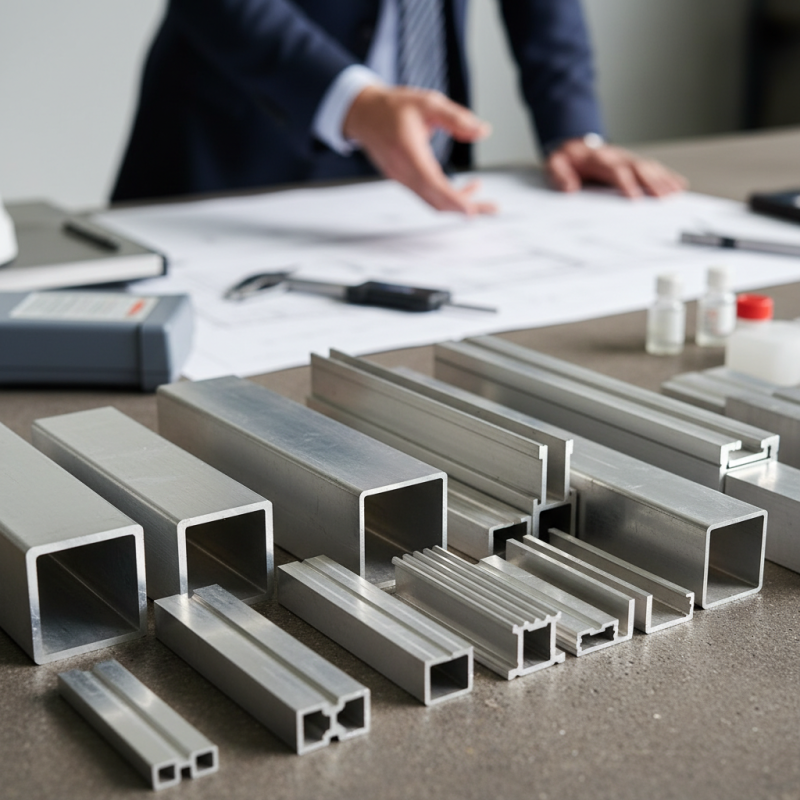
When selecting an aluminum alloy profile, understanding different types and their properties is crucial. There are numerous aluminum alloys, each with unique characteristics. For instance, series 1000 alloys are known for excellent corrosion resistance and high electrical conductivity. They contain at least 99% aluminum, making them highly malleable. According to industry data, this type generally has a tensile strength of about 90 MPa, suitable for chemical and food processing.
On the other hand, series 6000 alloys are versatile and robust. They combine aluminum with magnesium and silicon, providing good corrosion resistance and weldability. Their tensile strength ranges from 210 to 310 MPa, making them ideal for structural applications. This flexibility makes them popular in various sectors like transportation and construction. Yet, one must consider that the higher strength of these alloys can lead to brittleness in certain conditions.
Moreover, series 2000 alloys, primarily aluminum-copper, are known for their high strength but lower corrosion resistance. They also exhibit poor weldability. This could limit their applications and necessitate careful consideration during the selection process. Making the right choice requires balancing strength, corrosion resistance, and ease of fabrication. Overall, getting the perfect fit for specific needs can involve trial and error, reflecting how complexity adds depth to this selection process.
Choosing the right aluminum alloy profile begins with understanding your specific application needs. Different projects require unique characteristics from aluminum profiles. Some industries prioritize strength and durability, while others may need lightweight options for mobility. It's crucial to outline what you're aiming to achieve.
Consider factors like load-bearing capacity, corrosion resistance, and temperature tolerance. For instance, automotive applications might demand high strength but low weight. On the other hand, construction projects may focus on weather resistance and structural integrity. Every choice has its trade-offs. The right profile may enhance performance, but it might also add costs.
Consulting with experts in material science can provide valuable insights. Their experience can guide you toward profiles that meet technical specifications. However, the right option can vary based on evolving industry standards. So, be prepared to revisit your choices as new information becomes available. An adaptable mindset will lead to better selections in the long run.
This bar chart illustrates the common aluminum alloy profiles based on their application suitability. The data represents different alloys and their corresponding suitability for various applications such as construction, automotive, and aerospace.
When evaluating aluminum alloys, understanding their mechanical and physical properties is crucial. The tensile strength of 6061 aluminum alloy, for example, ranges from 20,000 to 40,000 psi. This range makes it suitable for structural applications but also indicates variability depending on the temper and treatment. The yield strength can significantly impact how the material performs under load.
In addition, the thermal conductivity of aluminum alloys is an important factor. Alloys like 1050 have thermal conductivity values of around 235 W/m·K, making them ideal for heat-exchanging applications. However, not all alloys retain this quality under stress. A property such as corrosion resistance also varies greatly among different alloys. For instance, while some alloys offer excellent resistance, others require coatings to maintain durability.
It is also vital to remain cautious about the choice of alloy for specific applications. Misjudging the requirements can lead to failures. Certain applications may demand higher elongation percentages, while others prioritize hardness. Thus, each material decision should factor in not just immediate needs but potential long-term implications. Engaging with extensive industry data can provide clarity and direction, ensuring a more informed selection process.
When selecting an aluminum alloy profile, it's crucial to consider both cost and availability. The market is diverse, featuring a range of alloys, each with its unique properties. For example, 6061 and 6063 are popular choices in construction and automotive applications. According to industry reports, these alloys account for over 60% of the aluminum extrusions in North America.
Cost tends to fluctuate based on both raw material prices and demand. Notably, the Aluminum Association reported that aluminum prices increased by nearly 30% over the past year. This spike influences project budgets and material accessibility. Local suppliers often have more competitive pricing when compared to international sources. However, limited availability might affect timelines and lead to unforeseen costs.
It's important to reflect on sourcing practices. Some users may prioritize the cheapest options, which can lead to compromises in quality. Understanding the trade-offs between cost and performance is key. Opting for less common alloys may provide specific benefits but could result in higher prices and longer wait times. Therefore, careful analysis of both cost and availability ensures that you select an alloy that meets both performance standards and budgetary constraints effectively.
| Aluminum Alloy | Cost per kg (USD) | Availability | Typical Uses |
|---|---|---|---|
| 6061 | $2.50 | Widely Available | Structural components, automotive parts |
| 6063 | $2.70 | Widely Available | Architectural applications, window frames |
| 7005 | $3.00 | Moderately Available | Bicycle frames, sports equipment |
| 5083 | $3.20 | Moderately Available | Marine and industrial applications |
| 7075 | $4.00 | Less Available | Aerospace components, high-stress applications |
When sourcing aluminum profiles, supplier reputation is crucial. A reliable supplier can impact your project’s success significantly. Research shows that 70% of project delays are linked to supply chain issues. Thus, examining potential suppliers’ backgrounds is essential. Focus on those with proven track records and positive customer feedback.
Clear communication is vital when selecting suppliers. Ask about their experience in your specific industry. Understanding their capabilities will help ensure they meet your specific needs. Request samples and documentation to assess quality and compliance with industry standards.
Tip: Consider suppliers who offer customization options. This flexibility can be pivotal for unique project demands.
Additionally, evaluate their production processes. Systems like ISO 9001 certification indicate adherence to quality management principles. However, don’t disregard smaller suppliers. They often provide specialized services that larger companies may overlook.
Tip: Check online reviews and ratings before making a choice. This step can save you time and resources.
Lastly, establish a good relationship with your supplier. Open dialogue can prevent misunderstandings and enhance collaboration. A trustworthy partnership often leads to better service and mutual growth.
