
How to Choose the Right Photovoltaic Connectors for Your System?

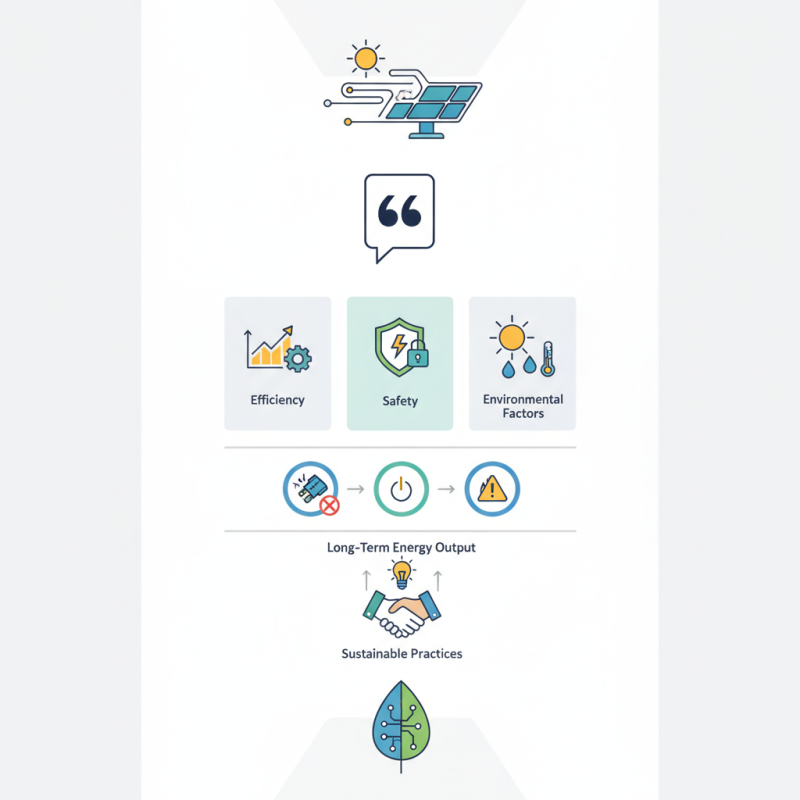
In the realm of renewable energy, selecting the right Photovoltaic connectors is crucial for efficiency and safety. Renowned industry expert Dr. Emma Sullivan emphasizes, "Choosing the right connectors can make or break your solar system's performance." As solar energy adoption grows, so does the importance of reliable connections.

Photovoltaic connectors must withstand various environmental factors. They face sun exposure, moisture, and temperature variations. Each connector type offers unique benefits and drawbacks. A poor choice may lead to inefficiencies or safety hazards. For instance, mismatched connectors can cause energy losses and potential system failures.

Understanding these components is crucial for installers and homeowners alike. Many overlook the significance of quality in photovoltaic connectors. Making an informed decision can improve long-term energy output. It’s not merely a technical choice; it reflects a commitment to sustainable practices. Thus, careful consideration in this area is vital.
How to Choose the Right Photovoltaic Connectors for Your System?

Understanding Different Types of Photovoltaic Connectors and Their Uses

Choosing the right photovoltaic connectors is crucial for system efficiency. Various types of connectors exist, each with unique benefits and drawbacks. For instance, MC4 connectors are popular due to their ease of use and reliability. They can withstand harsh weather conditions, making them suitable for outdoor applications. However, their locking mechanism can sometimes fail under stress, potentially leading to connection issues.

Anderson connectors, on the other hand, are versatile and support high current applications. Their design allows for easy handling and efficient power transfer. Yet, improper installation may lead to overheating, posing a safety risk. Industry reports indicate that connector failures account for around 10% of photovoltaic system issues. This statistic emphasizes the need for careful selection based on system requirements.

In contrast, terminal block connectors offer flexibility for varying wire sizes. They allow for easier maintenance and replacements. Users often report confusion due to numerous variations in this category. It becomes challenging to pinpoint the ideal option. Ultimately, understanding the types and their implications is essential for achieving optimal performance in photovoltaic systems.

Key Factors to Consider When Selecting Photovoltaic Connectors

Selecting the right photovoltaic connectors is crucial for system efficiency. One key factor is compatibility with your solar panels and other components. Different systems utilize various connector types. Ensuring that connectors match the voltage and current ratings is essential. Misalignment could lead to failures or inefficiencies.

Another important aspect is the environmental rating of the connectors. They should withstand harsh weather conditions, such as high temperatures, rain, and UV exposure. Choosing connectors with robust insulation can prevent wear and tear over time. This protects the entire system, but many overlook this detail, leading to potential long-term issues.

Lastly, consider the ease of installation. Some connectors require specialized tools, while others are more user-friendly. Complex setups may discourage proper installation. Simplified choices promote better compliance. It’s easy to ignore these aspects in a hurry. Reflecting on these factors can significantly improve the performance of your photovoltaic system.

Comparative Analysis of Connector Standards and Ratings in PV Systems

When selecting photovoltaic connectors, it's crucial to understand various standards and ratings. Connectors must meet specific criteria to ensure safety and efficiency in solar systems. The most common standards include IEC, UL, and TUV. Each has unique testing methods and certification processes. Choosing the right standard can significantly impact system performance.

Different ratings indicate how well connectors can handle electrical loads. For instance, consider maximum current and voltage ratings. Some connectors excel in high temperatures, while others perform better under heavy loads. Discrepancies between ratings can lead to failures. An underestimated connector may not withstand peak usage, while an over-rated one may be unnecessarily costly.

Evaluating connectors also requires attention to environmental factors. UV resistance is vital for outdoor installations. Corrosion resistance can prolong connector lifespan. It's vital to assess these aspects before making a decision. Small differences in quality can affect performance and maintenance. Always compare options carefully, even if they seem similar at first glance. This reflection can highlight potential weaknesses in your initial choices.

Comparative Analysis of Photovoltaic Connector Ratings

The Role of Environmental Conditions in Connector Selection for Solar Arrays

When selecting photovoltaic connectors, environmental conditions play a crucial role. Solar arrays are often exposed to intense sunlight, rain, wind, and extreme temperatures. Each of these factors can affect the performance and longevity of connectors. For example, connectors in humid coastal areas may corrode faster than those in dry environments. This emphasizes the need for careful consideration of materials and designs.

Temperature variations also influence connector choices. In areas with high temperature fluctuations, thermal expansion can cause connections to loosen over time. Connectors must withstand not just heat but also cold. Choosing the right insulation type is essential. A connector’s ability to resist UV radiation is another vital factor. Without proper protection, connectors can degrade and lead to system failures.

It's important to acknowledge that not all connectors are suitable for every environment. Sometimes, the cheapest option may not be the best long-term choice. Evaluating real-world conditions helps make informed decisions. Installation practices also matter; poor installation can negate the benefits of high-quality connectors. Reflection on past choices can lead to better outcomes.

Best Practices for Installation and Maintenance of PV Connectors

When installing photovoltaic (PV) connectors, attention to detail is crucial. Proper installation begins with selecting suitable connectors for your specific needs. It’s essential to choose connectors rated for your system’s voltage and current. Ensure that the connectors are compatible with the cables used. This compatibility helps prevent overheating and potential system failures.

During the installation process, always follow guidelines carefully. Use appropriate tools to secure connections. Avoid over-tightening, as this can lead to damage. Regularly inspect connectors for signs of wear and corrosion. It’s easy to overlook these details, but they can lead to reduced efficiency. A small oversight may delay performance or create safety hazards.

Maintenance should be scheduled regularly. Keep connectors clean and free of debris. Inadequate cleaning can lead to increased resistance, affecting energy output. It's important to remember that even minor issues can escalate. Pay attention to the connection’s integrity, especially after severe weather. This vigilance protects your investment and ensures optimal performance.

How to Choose the Right Photovoltaic Connectors for Your System?
Connector Type Material Current Rating (A) Voltage Rating (V) Temperature Range (°C) Water Resistance Rating Typical Application
MC4 Polycarbonate 30 1000 -40 to +90 IP67 Solar Panels
Tyco Solar PVC 35 600 -40 to +85 IP68 Utility Scale
H4 Connector Thermoplastic 30 1500 -40 to +90 IP68 Rooftop Systems
AMICO Aluminum 25 1000 -40 to +85 IP66 Bifacial Modules
dLED: retail LED lighting
Privacy Overview

This website uses cookies so that we can provide you with the best user experience possible. Cookie information is stored in your browser and performs functions such as recognising you when you return to our website and helping our team to understand which sections of the website you find most interesting and useful.