
How to Choose a Top CNC Machining Trainer in China?

Choosing a CNC Machining Trainer in China requires more than comparing course fees or attractive brochures. The right trainer connects classroom theory with real production conditions. That means reading drawings, setting work offsets, selecting tools, measuring parts, and correcting errors. A useful program should feel practical. It should show how decisions affect accuracy, cycle time, tool life, and operator safety. This guide introduces a careful way to assess trainers before enrollment.

Look for instructors with documented shop-floor experience and relevant technical credentials. Ask how many years they have operated or supervised CNC equipment. Request sample projects, inspection records, and references from previous learners or companies. A reliable provider should explain its machines clearly, including controller brands, axes, tolerances, and maintenance routines. Visit the training site when possible. Observe whether learners touch the controls, inspect chips, use gauges, and review finished parts. Evidence matters. A demonstration alone is not enough. A trial lesson may reveal teaching quality better than a sales presentation.

Strong trainers also provide structured lessons, bilingual support when needed, safety instruction, and follow-up guidance. They should explain what learners can realistically achieve after each module. Be cautious of guaranteed results. Skill develops through repetition, feedback, and disciplined practice. No provider is flawless. Even experienced organizations may have weaknesses, such as limited software coverage or crowded classes. Recognizing these gaps is part of responsible research. The best choice is not always the cheapest or most famous. It is the CNC Machining Trainer that offers verifiable expertise, transparent communication, suitable equipment, and measurable learning outcomes. With evidence-based comparison, buyers can choose training that supports safer work, better parts, and long-term professional growth.
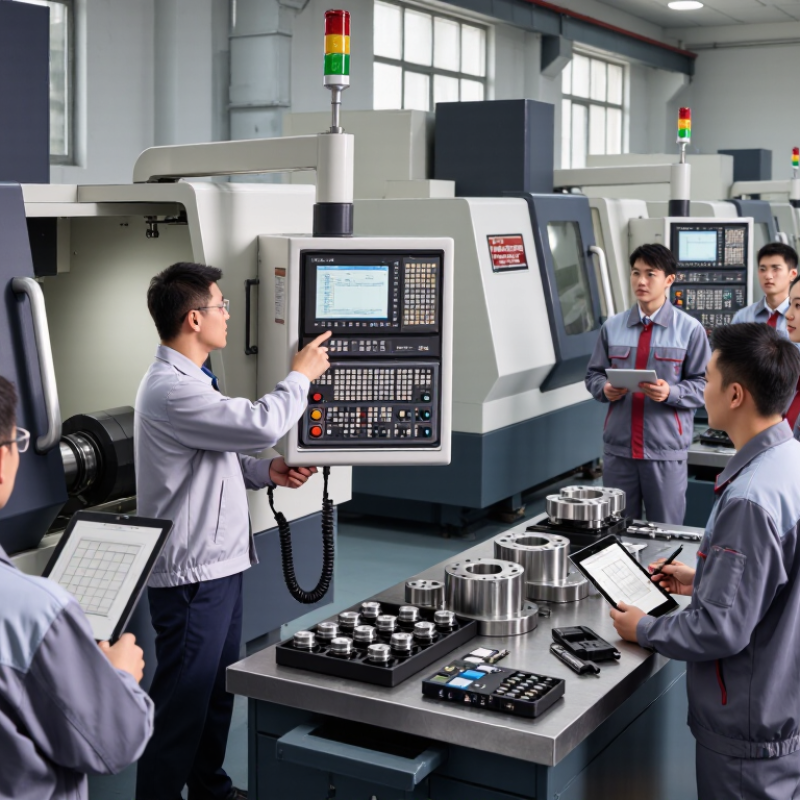
How to Choose a Top CNC Machining Trainer in China?

What Defines a High-Quality CNC Machining Trainer in China?

A high-quality CNC machining trainer in China teaches repeatable judgment, not only button sequences. The trainer should explain work offsets, tool compensation, probing, chip control, and alarm recovery with real shop examples. A strong session might begin with a drawing, continue through setup, and finish with measured parts. Look for evidence of hands-on experience, such as explaining why a bore drifts after tool wear. A polished demo can still hide weak teaching.

Professional depth also matters. The trainer should connect machining practice with ISO-based quality thinking, safe machine operation, inspection records, and process capability. The World Economic Forum’s Future of Jobs Report 2023 states that 44% of workers’ skills may be disrupted by 2027. It also reports that 60% of workers will need training before then. Deloitte’s 2024 manufacturing research similarly highlights skills shortages as a major barrier to digital transformation. These figures support practical, adaptable instruction, especially when factories combine CNC equipment with digital monitoring. Still, one report cannot measure teaching quality.

Tips: Request a short trial lesson. Ask the trainer to diagnose a sample alarm or tolerance problem. Check whether explanations use drawings, gauges, and actual cutting data. Ask for assessment records, not vague promises. Notice the questions they ask. Good trainers inspect your process before prescribing lessons. I would also test their limits; admitting uncertainty is better than inventing an answer.

How to Assess Technical Expertise and Training Experience

How to Choose a Top CNC Machining Trainer in China?

A capable CNC machining trainer should explain decisions, not only demonstrate button sequences. Ask about experience with milling, turning, workholding, cutting tools, and inspection procedures. A strong trainer can discuss spindle speed, feed rate, tool offsets, and tolerance control in practical terms. Watch the lesson. Does the instructor check datum selection before running the program? Do they explain why a tool wears faster on one material? These details reveal technical depth.

Training experience needs evidence beyond a polished introduction. Request a sample lesson, course outline, learner feedback, and measurable training outcomes. A reliable trainer includes setup practice, G-code interpretation, machine simulation, fault diagnosis, and dimensional inspection. They should also explain how lessons change for beginners, operators, and process engineers. Ask how they handle mistakes. Calm troubleshooting often proves more than confident speaking.

Review the trainer’s technical background carefully. Relevant qualifications, workshop experience, and documented projects can support credibility, but certificates alone are not enough. Check whether examples include drawings, inspection reports, tool lists, and realistic production constraints. A good trainer respects machine limits and teaches safe operating habits. No trainer is perfect. Some explanations may be too theoretical, and experienced learners may need more challenge. Discuss these weaknesses openly before choosing. A short trial class can expose unclear instruction, rushed demonstrations, or gaps between theory and machine practice.

Which CNC Training Programs and Equipment Best Meet Your Needs?

Choosing a CNC machining trainer in China starts with your production goals, not attractive classroom photos. A reliable program should match your parts, materials, tolerances, and operator level. I have found that practical questions reveal more than promotional promises. Ask how many hours students spend setting work offsets, measuring tools, and correcting program errors. Hands-on time matters. Request sample lesson plans and anonymized assessment results. A serious trainer explains successful projects and common failures.

The equipment should reflect modern shop conditions without becoming unnecessarily complex. Look for CNC lathes or milling machines with guarded work areas, realistic controls, inspection tools, and maintained tooling. Training should include drawings, cutting data, workholding, simulation, and safe restart procedures.

A small class often provides better feedback than a crowded workshop. Instructors need current machining experience, not only teaching certificates. They should explain tool wear, rough surfaces, and safe stopping decisions.

Do not judge quality from new machines alone. Check maintenance records, calibration routines, emergency training, and graduate performance. Speak with recent learners if possible. Their comments may expose gaps in support after training. My own preference has changed over time: advanced software helps, but disciplined measurement builds stronger habits. That view is not universal. A program may fail if its examples ignore your materials or shift patterns. Choose a trainer willing to adjust projects, document progress, and admit where the course needs improvement.

How to Verify Trainer Reputation, Certification, and Student Results

How to Choose a Top CNC Machining Trainer in China?

A trainer’s reputation should survive careful questioning. Ask for recent student contacts, not only polished testimonials. Speak with graduates about attendance, machine access, and instructor feedback. A credible trainer can describe weak points honestly. Perfect claims deserve caution.

Check certification through the issuing organization, whenever possible. Confirm the certificate’s title, validity period, and technical scope. A general teaching certificate may not prove CNC competence. Look for current experience with milling, turning, tooling, inspection, and G-code.

Ask to see a sample lesson plan. It should include setup safety, workholding, tool offsets, feeds, speeds, and measurement practice. Watch a class if allowed. Notice whether students touch real controls or only watch demonstrations.

Student results provide stronger evidence than promises. Request anonymized portfolios showing drawings, programs, finished parts, and inspection records. A useful example might show a pocket measured with a caliper and a bore checked with an internal gauge. Ask how results were assessed. Did students meet specified tolerances, or merely complete a simple exercise?

I once trusted impressive photos too quickly; later, I found no measurement data behind them. That mistake changed my evaluation process.

Progress should be documented over time. Honest trainers also explain where graduates still need practice. Ask about support after training, equipment maintenance, class size, and missed lessons. Small details reveal reliability. A clean workshop helps, but disciplined instruction matters more.

How to Compare Costs, Support Services, and Long-Term Value

How to Choose a Top CNC Machining Trainer in China?

How to Compare Costs, Support Services, and Long-Term Value

Choosing a CNC machining trainer in China requires more than comparing hourly fees. Training costs may include machine access, materials, software, assessments, and accommodation. Ask for a written breakdown before making a decision. Cheap is rarely simple. A low price may hide limited practice time or outdated equipment.

During a practical evaluation, check the workshop carefully. Are machines clean, maintained, and available for individual practice? Can instructors explain tool selection, workholding, measurement, and program verification clearly? Experienced trainers should connect classroom lessons with real machining problems. Request sample lesson plans and evidence of instructor qualifications. A short trial class can reveal more than polished online claims.

Support services strongly affect long-term value. Reliable providers offer feedback after class, troubleshooting channels, updated training files, and help with machine-specific questions. Confirm response times and whether support is included after graduation. Ask former learners about actual support, not promised support. Details matter. A trainer may teach correct operations but still provide weak guidance on process planning. I have seen learners focus on certificate fees while overlooking practice access and maintenance quality. That mistake can increase later costs. Compare learning hours, machine condition, instructor access, and measurable skill improvement together. The best choice is not always the cheapest or most expensive; it is the clearest investment.

dLED: retail LED lighting
Privacy Overview

This website uses cookies so that we can provide you with the best user experience possible. Cookie information is stored in your browser and performs functions such as recognising you when you return to our website and helping our team to understand which sections of the website you find most interesting and useful.