
How to Choose the Right Pkcell 18650 Battery for Your Needs?

When choosing the right Pkcell 18650 Battery, it’s essential to consider several key factors. This battery type powers various devices, from flashlights to electric vehicles. Understanding your specific needs will guide you in selecting the ideal option for your situation.

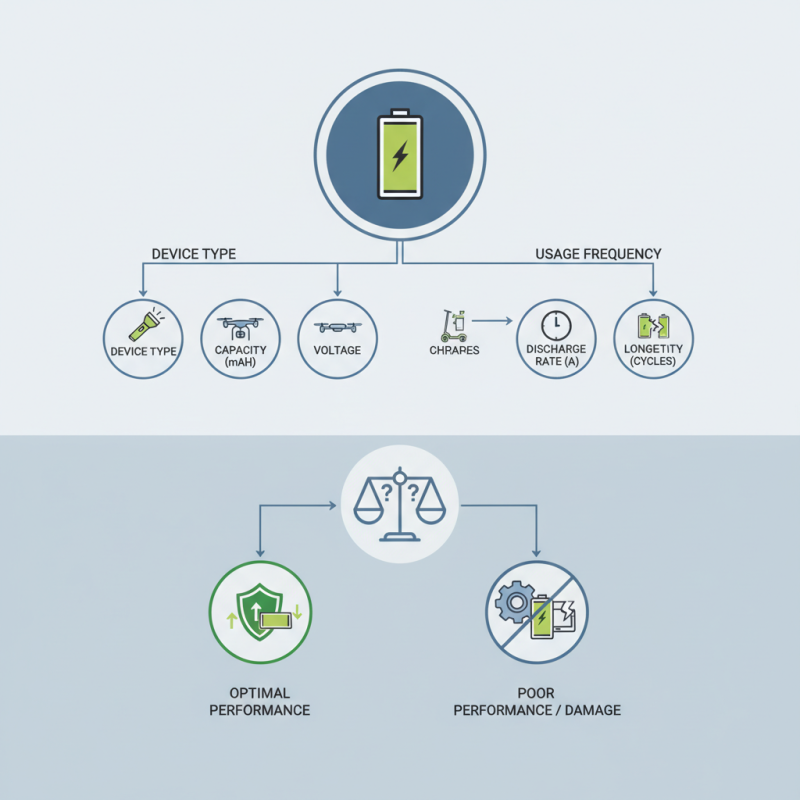
Pkcell 18650 Battery models vary in capacity, voltage, and discharge rates. How often will you use it? What devices need it? These questions matter. Picking the wrong battery can lead to poor performance or even damage to your equipment.

Not every Pkcell 18650 Battery is created equal. Some may offer higher energy output, while others prioritize longevity. Assess your priorities carefully. Reflect on personal experiences to avoid common pitfalls. A well-informed choice can enhance your device's efficiency and lifespan.
How to Choose the Right Pkcell 18650 Battery for Your Needs?

Understanding the Basics of 18650 Batteries and Their Applications

18650 batteries have gained popularity in various applications. Understanding their basics is essential before making a choice. These cylindrical lithium-ion batteries are commonly used in electric vehicles, flashlights, and vaping devices. Their size and capacity make them versatile, but not every 18650 battery suits everyone's needs.

Different batteries offer varying capacities and discharge rates. A battery with a higher capacity provides longer usage. Yet, it may also mean a longer charging time. Consider what you'll be using it for. If you need consistent power for a flashlight, opt for a battery with a stable discharge. Sometimes, lower-capacity options can perform better in devices that require less energy.

Quality can also vary greatly. Some batteries may not last as long as advertised. This means you might find yourself replacing them more often than expected. Researching user reviews can be helpful. Don't just rely on numbers; real-world performance matters. Choosing the right battery requires careful thought about your specific needs and the potential downsides you might encounter.

Key Specifications to Consider When Selecting a Pkcell 18650 Battery

When selecting a Pkcell 18650 battery, key specifications are crucial. Capacity, measured in milliamp hours (mAh), indicates how much energy is stored. A higher capacity means longer usage time. Look for batteries with 2500 mAh or more for optimal performance.

Another important specification is the discharge rate, noted as a "C" rating. This determines how fast the battery can release energy. Higher C ratings provide better performance in demanding applications. Consider your device’s requirements carefully. A mismatch can lead to reduced efficiency.

Additionally, check the voltage. Most 18650 batteries have a nominal voltage of 3.7 volts. However, some might differ slightly. Always align the voltage with your device specifications to avoid malfunction. Don’t ignore safety features either. Batteries should have protection against overcharging and short-circuits. These details are essential, particularly for high-drain devices.

Battery Capacity Comparison of 18650 Cells

Evaluating Battery Capacity and Performance for Your Specific Use Case

When choosing a 18650 battery, it's crucial to evaluate both capacity and performance. Battery capacity is often measured in milliamp hours (mAh). A higher mAh rating means longer usage times. For example, a 3000mAh battery can power a device for a noticeably longer period compared to a 2000mAh option. However, the actual performance also depends on other factors like discharge rate and temperature.

Consider your specific usage context. If you need a battery for high-drain devices, like power tools or vaping devices, look for batteries with a high continuous discharge rating. Reports indicate that a battery with a 20A discharge capability will perform better in intense situations than those rated at 10A. Additionally, temperature can impact battery life. Using a battery in extreme heat or cold may decrease its efficiency.

Many users overlook the importance of brand reputation and safety features. Not all high-capacity batteries are safe for every application. Understanding the risks of overheating or battery failure is essential. Choosing the right 18650 battery isn't just about capacity; it's about knowing your device's requirements and how different batteries perform under varied conditions.

Safety Features and Quality Standards in Pkcell 18650 Batteries

When selecting the right battery, focus on safety features. Quality standards play a crucial role in battery reliability. Check for overcharge protection, short-circuit prevention, and thermal stability. These features ensure safe use in various devices. A good battery should have built-in safety mechanisms that prevent accidents.

Testing standards are also important. Look for certifications like UL or IEC. These certifications indicate that the battery has undergone rigorous testing. Without them, you might risk using a subpar product. Safety is not just a feature; it’s a necessity for everyday gadgets.

Another aspect can be often overlooked: the packaging. Batteries should come securely packaged to avoid damage. An unprotected item may be less reliable. Pay attention to details, such as the manufacturing date. Old batteries can pose a risk and may not perform well. Reviewing user feedback can help guide your choice. Look for common concerns, as they may reflect quality issues.

How to Choose the Right 18650 Battery for Your Needs? - Safety Features and Quality Standards in 18650 Batteries

Battery Type Capacity (mAh) Discharge Rate (A) Voltage (V) Protection Features Applications
Standard 18650 2500 10 3.7 None Flashlights, Laptops
High Drain 18650 3000 20 3.7 Overcharge, Over-discharge Vaping, Power Tools
Protected 18650 2600 15 3.7 Short Circuit, Thermal Electric Bikes, DIY Projects
Ultra High Capacity 18650 3500 10 3.7 None Portable Devices, Home Energy Storage

Tips for Proper Maintenance and Usage of 18650 Batteries

Maintaining 18650 batteries is crucial for their longevity. Always charge them with the correct voltage. Overcharging can lead to overheating. It’s best to use a reliable charger that has built-in protections. If you notice any swelling, stop using the battery immediately. This indicates damage and could pose hazards.

Storage also matters. Keep your batteries in a cool, dry place. Extreme temperatures can reduce performance. Avoid leaving them in direct sunlight. For safety, use battery cases to prevent short circuits. Label batteries with usage dates to track their life span. This helps avoid surprises when you need them most.

Regularly check battery health, too. A multimeter can help measure voltage. Consistent performance shows a healthy battery. If a battery discharges too quickly, consider replacing it. Remember, safety should always come first. Reflect on your battery habits. Adjust them to ensure you’re maximizing battery life and performance.

dLED: retail LED lighting
Privacy Overview

This website uses cookies so that we can provide you with the best user experience possible. Cookie information is stored in your browser and performs functions such as recognising you when you return to our website and helping our team to understand which sections of the website you find most interesting and useful.