
In the evolving landscape of electrical infrastructure, the choice of materials is crucial. Polymeric Insulators have gained significant traction due to their superior properties. Renowned industry expert Dr. Emily Hart, a leading authority on electrical materials, once stated, “Polymeric insulators are shaping the future of power transmission with their resilience and efficiency.”
These insulators are lightweight and resistant to environmental factors, making them an optimal choice for utilities worldwide. They also exhibit excellent electrical properties, which can reduce maintenance costs over time. However, their adoption raises questions about long-term performance and durability. While many utilities have embraced polymeric options, some still question their reliability compared to traditional alternatives.
Awareness of the benefits and drawbacks is essential. As utilities strive for more sustainable solutions, polymeric insulators present both opportunities and challenges. Their growing popularity underscores the need for ongoing research and reflection in the industry. Balancing innovation with proven practices will be key to driving successful implementation of polymeric insulators.
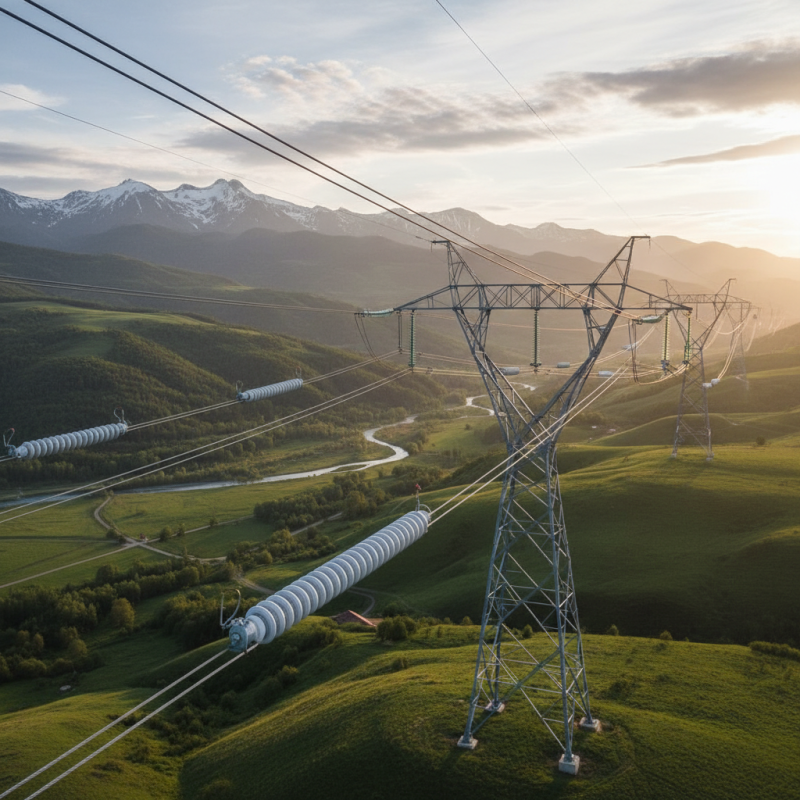
Polymeric insulators offer a range of advantages over traditional materials. One significant benefit is their lightweight nature. This makes installation easier and reduces transport costs. Workers can handle them with greater ease, minimizing workplace accidents. Polymeric insulators are also resistant to UV rays and weathering, which prolongs their lifespan. Traditional insulators may degrade quickly under harsh conditions, leading to increased maintenance costs.
Additionally, polymeric materials have excellent dielectric properties. They maintain their electrical performance even in extreme temperatures. This reliability is crucial for power transmission and distribution systems. The flexibility of these insulators allows them to be molded into various shapes, optimizing their performance. However, some might worry about their long-term durability. It's essential to consider the environment in which they will be used.
Moreover, polymeric insulators can resist pollution and contamination, unlike ceramic materials. This resistance reduces the need for frequent cleaning and maintenance. In areas with high pollution, this advantage is crucial. Nonetheless, transitioning to polymeric solutions may require careful analysis. Infrastructure changes can be costly and time-consuming. Adopting polymeric insulators necessitates solid planning and design adjustments.
When selecting insulators for electrical applications, dielectric strength and voltage rating are crucial criteria. Polymeric insulators have gained popularity due to their outstanding electrical performance. Research by IEEE suggests that polymeric insulators can withstand dielectric strengths exceeding 30 kV/mm. This significant capability allows them to function in high-stress environments.
Additionally, the voltage rating of polymeric insulators often surpasses that of traditional materials. Many polymeric types can handle voltages of up to 1,000 kV. These ratings ensure that utility companies can rely on them for reliable service. However, there are concerns about long-term performance and how environmental factors might impact their efficiency.
Field studies indicate that while polymeric insulators demonstrate excellent performance initially, degradation over time due to UV exposure and pollution can occur. Understanding these limitations is essential for utility managers. Decisions must balance the benefits of lightweight designs and high performance with potential maintenance needs later.
Polymeric insulators are gaining attention due to their durability and resistance. They excel in harsh environmental conditions, reducing maintenance needs. These insulators endure extreme temperatures, UV radiation, and pollution without degrading over time. This durability ensures a longer lifespan, making them a reliable choice for electrical systems.
In many cases, traditional materials succumb to environmental stressors. Polymer insulators, on the other hand, showcase strength in diverse settings. Their lightweight nature simplifies installation, while their resistance to degradation increases operational efficiency. Yet, some users express concerns about their long-term performance. Continuous research is necessary to address these uncertainties.
Real-world applications demonstrate their effectiveness. These insulators have withstood storms and temperatures that challenge other materials. However, field tests in varying climates reveal inconsistent performance. It is crucial to monitor their interactions with environmental elements, ensuring they meet safety standards and operational expectations over time.
Polymeric insulators are increasingly gaining recognition for their cost-effectiveness in the electrical industry. A recent study from the Electric Power Research Institute shows that polymeric insulators reduce initial investment costs by up to 30% compared to traditional ceramic options. This significant saving is partly attributed to their lightweight design, which allows for easier handling and installation.
In terms of lifecycle analysis, polymeric insulators outperform ceramics. They have a lower maintenance requirement and a longer functional life, estimated at 30 years or more. In contrast, ceramic insulators may require replacement or repairs due to environmental stressors, leading to unplanned costs. Data indicates that over a 30-year period, polymeric insulators can save operators nearly 40% in total ownership costs.
However, some industry experts raise concerns about their long-term durability under extreme weather conditions. While tests show they perform well in various climates, ongoing research is essential for long-term reliability. Balancing initial savings and potential long-term issues will be crucial for decision-makers in the electrical sector. Assessing specific project needs is vital for making an informed choice between polymeric and ceramic options.
Polymeric insulators have become increasingly popular in electrical systems due to their environmental advantages. Unlike traditional ceramic or glass insulators, polymeric variants can significantly reduce material waste. Reports indicate that the manufacturing process for polymeric insulators often utilizes recyclable materials, minimizing landfill contributions. Furthermore, these insulators demonstrate lower energy consumption during production, aligning with global sustainability goals.
In recent studies, polymeric insulators were shown to withstand harsh weather conditions better than ceramic counterparts. This durability results in fewer replacements over time, further reducing resource consumption. Additionally, polymeric materials exhibit self-cleaning properties, which ensures fewer maintenance activities. The reduction in maintenance also lowers the carbon footprint associated with transport and labor.
The longevity of polymeric insulators is noteworthy. They often last three to four times longer than traditional insulators. However, it's also crucial to consider their end-of-life scenario. Some polymeric materials may present challenges in recycling, prompting ongoing discussions in the industry. Efforts are being made to develop more sustainable end-of-life options. Balancing performance, durability, and sustainability remains a critical challenge in the adoption of polymeric insulators.
| Feature | Polymeric Insulators | Traditional Ceramic Insulators |
|---|---|---|
| Material Source | Synthetic polymers (recyclable) | Natural materials (not recyclable) |
| Lifespan | 25-30 years | 10-20 years |
| Weight | Lightweight | Heavy |
| Installation Ease | Easier, less labor required | More difficult, more labor required |
| Environmental Impact | Lower carbon footprint | Higher carbon footprint |
| Breakage Risk | Lower risk | Higher risk |
| Cost Efficiency | Higher initial cost but lower lifetime costs | Lower initial cost but higher maintenance |
