Why Choose Panel Light for Your Lighting Needs?
In today's world, lighting choices are crucial for both aesthetics and energy efficiency. Panel Lights have become a favored option among homeowners and professionals alike. "Panel lights not only enhance the ambiance but also reduce energy costs," says Dr. Emily Chen, a leading expert in sustainable lighting solutions. Her insights highlight the growing importance of choosing the right lighting systems.
When selecting lighting, many consider both functionality and design. Panel lights offer a sleek, modern appearance that suits various spaces. They can transform a dull office or home into an inviting environment. People often overlook the impact of efficient lighting on mood and productivity. It's essential to reflect on how different lighting designs can affect our daily lives.
Moreover, the versatility of panel lights cannot be overstated. They come in various sizes and brightness, catering to diverse needs. However, potential buyers may still feel overwhelmed by the multitude of options available. Understanding the benefits of panel lights can guide individuals in making informed decisions. As we navigate the lighting landscape, it's vital to consider both aesthetics and practicality in our choices.
Benefits of Using Panel Lights in Modern Spaces
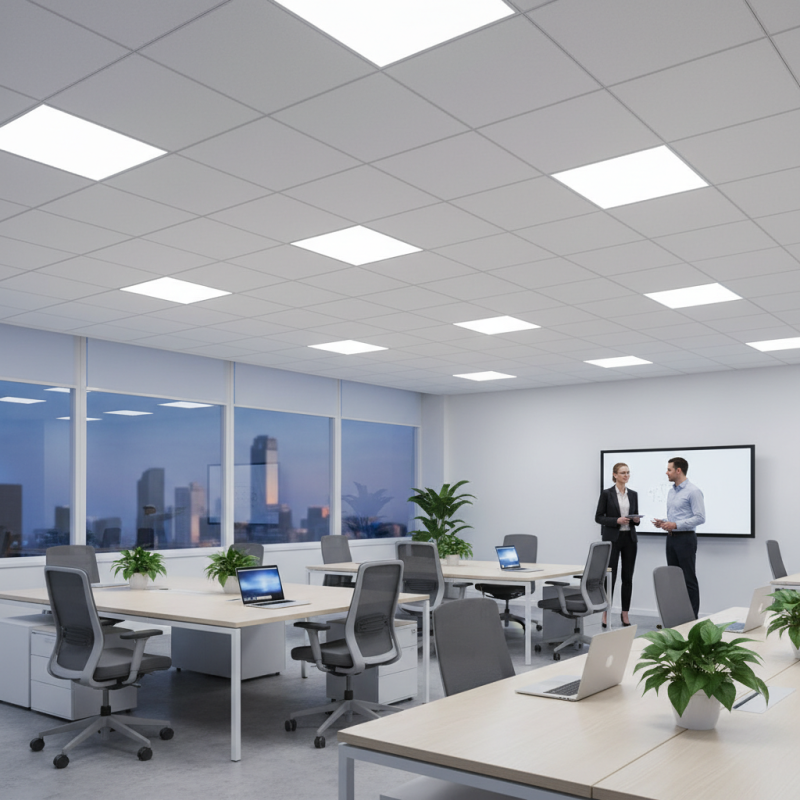
Panel lights are increasingly popular in modern spaces. They offer sleek designs that enhance aesthetics without overwhelming the décor. Their uniform lighting creates a pleasant atmosphere, eliminating harsh shadows. This makes them ideal for offices, homes, and commercial settings.
Energy efficiency is a major advantage of panel lights. They use LEDs, consuming less power compared to traditional fixtures. This reduction in energy usage not only lowers bills but also lessens environmental impact. The lifespan of LED panel lights is impressive, lasting up to 50,000 hours. However, the upfront cost may deter some buyers. It's essential to weigh long-term savings against initial expenses.
Installation is straightforward but can still present challenges. While many can install them, some require professional help to ensure safety. Dimensions and design choices can affect installation ease. Also, maintaining an even grid can be tricky in older buildings. Despite these minor drawbacks, the benefits of panel lights make them a wise choice for efficient, modern lighting solutions.
Energy Efficiency of Panel Lights Compared to Traditional Lighting
Panel lights have gained popularity due to their impressive energy efficiency. Studies show that LED panel lights can last up to 50,000 hours, significantly outpacing traditional incandescent bulbs, which average around 1,000 hours. This longevity translates into reduced replacement costs and less waste. According to the U.S. Department of Energy, switching to LED lighting can save up to 75% in energy use compared to traditional lights.
Choosing the right panel light can also impact your energy bills. A standard panel light uses about 40 watts, while equivalent fluorescent lights may use over 100 watts. Over a year, the energy savings can add up to hundreds of dollars. It’s crucial to consider the initial costs versus long-term savings. Sometimes, cheaper options may compromise quality.
**Tips:** Always check for energy efficiency ratings. Look for products with the ENERGY STAR label for verified performance. Evaluate your light needs based on the space area to minimize waste. Also, remember that not all panel lights work well in every environment. Experiment with different types to find what truly fits your situation.
The Impact of Panel Lights on Indoor Air Quality and Comfort
When considering indoor lighting options, panel lights stand out not only for aesthetics but also for their contribution to air quality and overall comfort. Research indicates that poor lighting can lead to discomfort and even health issues. A study published by the Department of Energy found that quality lighting contributes to workspace satisfaction and reduces eye strain, improving employee productivity.
One remarkable feature of panel lights is their ability to minimize heat output. Traditional lighting often generates excess warmth, affecting air circulation. In contrast, panel lights operate efficiently, significantly reducing temperature fluctuations indoors. This results in a more stable environment and can lower energy costs. According to the International Energy Agency, switching to LED lighting systems can reduce energy consumption by up to 75%.
Tips: Consider the color temperature of your panel lights. Warmer whites promote relaxation, while cooler tones can boost alertness. Ensure proper installation to maximize benefits. Evaluate dimmable options based on activities in your space.
In terms of air quality, panel lights also enhance the visibility of indoor pollutants. Properly illuminated spaces allow for better monitoring of air quality, such as dust or allergens. Enhanced clarity ensures that any issues can be addressed promptly. Choosing the right panel light can directly impact comfort, making spaces feel more inviting and healthier.
Panel Light Design Trends and Their Influence on Aesthetic Value
Panel lights have made significant strides in design and functionality. Their flat, slim profile allows for seamless integration into various settings, enhancing aesthetic appeal. According to a report by the American Lighting Association, around 65% of designers now prefer panel lights for modern office spaces. This trend reflects a shift towards minimalistic yet sophisticated designs.
Recent studies highlight key design trends influencing panel lights. Soft, warm tones are gaining popularity, creating inviting atmospheres while maintaining functionality. Moreover, customizable options for panel lights enable designers to tailor lighting solutions to specific needs. Research shows that mood and productivity can improve by up to 30% with appropriate lighting.
However, it's essential to address that not all panel lights perfectly blend with every style. Some installations may appear too stark, lacking warmth. This discrepancy often leads to a cold ambiance, making it vital for designers to balance aesthetics with functionality. Overall, the evolution of panel lights continues to shape contemporary interiors, though challenges remain in achieving perfect harmony.
Cost-Effectiveness of Panel Lights for Long-Term Lighting Solutions
Panel lights have quickly become a popular choice for modern lighting needs. Their cost-effectiveness in the long term is a key factor for many homeowners and businesses. Unlike traditional lighting options, panel lights consume less energy and have a longer lifespan. This reduces maintenance costs and energy bills. Many users report saving up to 40% on their lighting expenses after switching to panel lights.
When considering panel lights, it’s crucial to focus on their installation process. Take time to assess the layout of your space for optimal light distribution. A poor layout can lead to uneven lighting, which might negate the cost savings. Make sure to follow installation guidelines closely to avoid potential safety hazards.
Additionally, it’s worth noting that not all panel lights are created equal. Look for products with good reviews and high energy-efficiency ratings. Some may claim to be cost-effective but may fall short in performance. Actual user feedback is invaluable in guiding your choice. Adjustments and testing might be necessary to achieve the desired brightness. Don't rush into decisions; take the time to evaluate the best options for your specific needs.
