
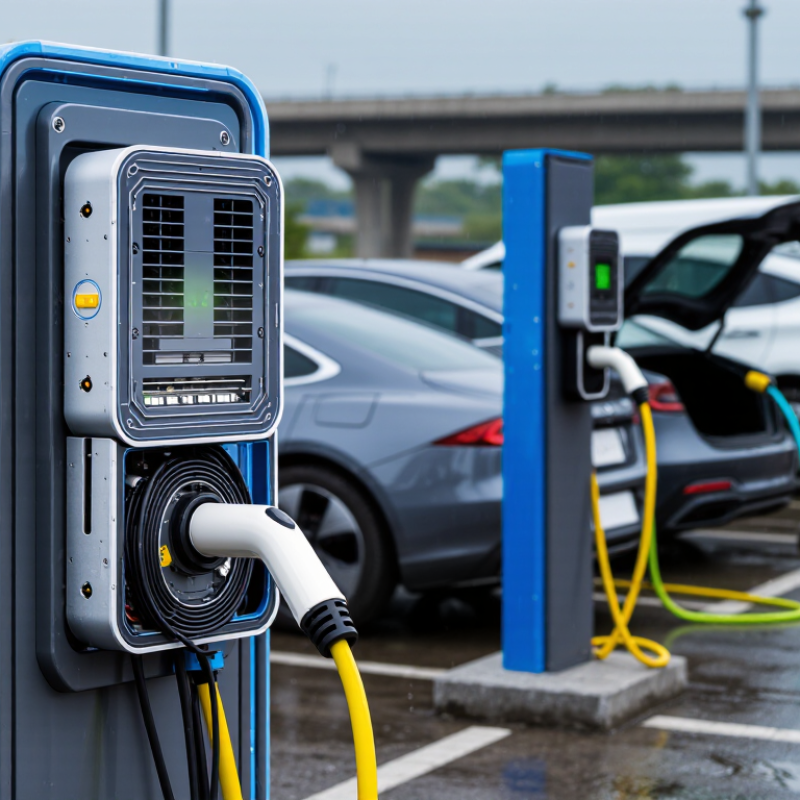
China’s Level 3 charging industry has moved from limited demonstration sites toward broader public charging networks. In China, these chargers are generally discussed as high-power DC fast chargers. Their growth has followed rising electric-vehicle use on city roads and highways. That changed quickly. Charging hubs now often place several units near service areas, parking lots, and busy urban roads.
The equipment has evolved, too. Modular power cabinets help operators adjust capacity, while liquid-cooled cables support higher charging power in some installations. Digital monitoring can flag faults and show whether a connector is available. But a charger’s rated output does not guarantee the same speed for every vehicle. Battery temperature, vehicle limits, and site conditions all matter. The technology is impressive, but the experience can still vary.
The industry’s next challenge is making fast charging dependable at scale. Operators need to manage peak electricity demand and keep equipment maintained, especially at heavily used sites. Payment access and charger compatibility also shape whether a stop feels simple or frustrating. Progress has been substantial, yet network coverage and utilization remain uneven. Looking back, growth alone was never the whole measure; reliability at the plug matters just as much.