Explore the Best Smart Lighting Solutions for Your Business?

In an era where innovation drives success, businesses are increasingly turning to Smart Lighting Solutions. These solutions not only enhance aesthetics but also improve energy efficiency. Expert James Thornton, a leader in smart technology, states, "Smart lighting can revolutionize how businesses operate, creating environments that boost productivity." Such insights underline the growing importance of smart lighting in diverse settings.

Implementing a Smart Lighting Solution can transform an average workspace into an inviting and efficient area. Proper lighting influences employee mood and performance. Consider a retail space; strategically placed smart lights can highlight products and attract customers. However, not every solution works for every business. It’s vital to evaluate specific needs before making significant investments.

Moreover, as technology evolves, opportunities and challenges emerge. Businesses must navigate this landscape carefully. Experts urge companies to stay informed about trends to maximize the benefits of these solutions. Understanding the balance of aesthetics and functionality can lead to better choices. As we explore the best Smart Lighting Solutions, let’s reflect on how these innovations can align with our goals.
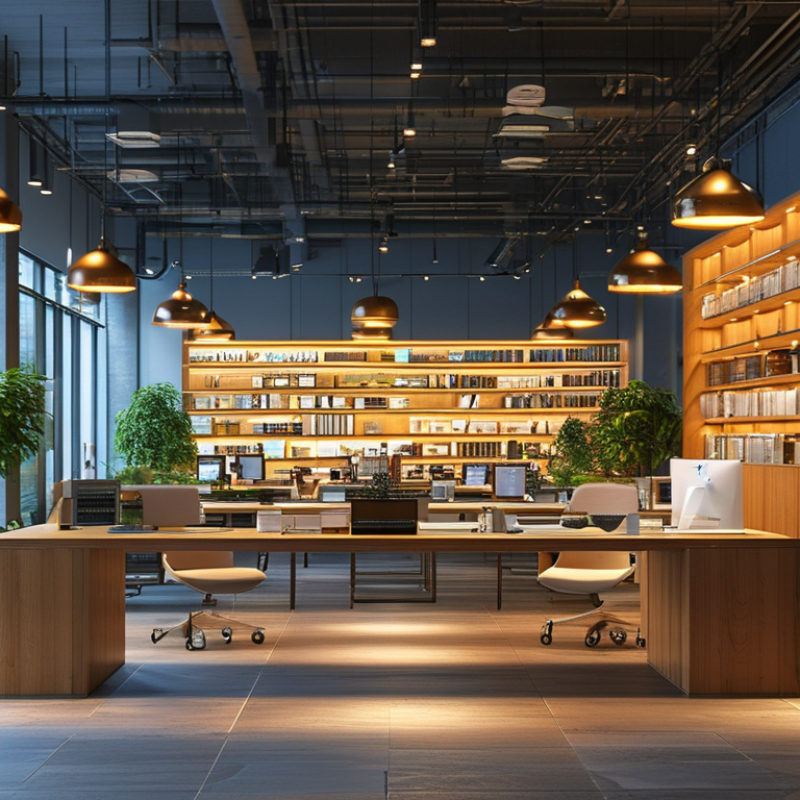
Explore the Best Smart Lighting Solutions for Your Business?

What is Smart Lighting and How It Benefits Businesses?

Smart lighting is a transformative solution for modern businesses. It involves the use of advanced technology to control lighting through sensors and automation. According to a report from the International Energy Agency, smart lighting can reduce energy consumption by up to 80%. This significant reduction not only cuts utility costs but also enhances environmental sustainability.

Businesses benefit beyond just cost savings. Smart lighting systems can adjust based on occupancy and natural light. For instance, in office settings, lights can dim or turn off when rooms are unoccupied. This adaptability can lead to improved employee productivity. A study from the Harvard T.H. Chan School of Public Health found that natural light exposure boosts employee satisfaction and overall health.

However, implementing smart lighting comes with challenges. Some businesses may struggle with integration into existing systems. Additionally, there are initial setup costs that can be daunting. Proper training is necessary for staff to utilize these systems effectively. Businesses must weigh these challenges against the long-term benefits.

Key Features to Look for in Smart Lighting Solutions

When selecting smart lighting solutions for your business, understanding key features is crucial. Energy efficiency plays an important role. Recent studies indicate that smart lighting can save businesses up to 65% on energy costs. This reduction not only lowers bills but also supports sustainability initiatives. Many systems offer customizable settings. Being able to adjust brightness or color can enhance mood and productivity.

Consider scalability. As your business grows, your lighting system should adapt. Some solutions allow integration with existing infrastructure. This flexibility ensures that your initial investment is preserved. Furthermore, user-friendly interfaces make it easy for employees to manage lighting settings. Difficulty in navigating systems can lead to underutilization and hinder benefits.

Data security is another vital aspect. Vulnerabilities in smart systems can pose risks. A report states that nearly 30% of businesses experience security breaches through smart devices. Ensuring that the lighting system has robust security protocols is non-negotiable. Even regular software updates are essential. They safeguard against emerging threats and improve functionality. Thoughtful consideration of these features can enhance the effectiveness of smart lighting in your business.

Smart Lighting Solutions Features Comparison

Types of Smart Lighting Technologies for Commercial Use

Smart lighting technologies are transforming commercial spaces. Companies are increasingly adopting these solutions for energy efficiency and enhanced visibility. A recent study by the U.S. Department of Energy found that LED lighting can save up to 75% in energy costs compared to traditional lighting. This transition not only reduces expenses but also aligns with sustainability goals.

There are various types of smart lighting technologies tailored for commercial use. Automated lighting controls allow employees to optimize lighting based on natural daylight. For instance, occupancy sensors can adjust brightness when a room is empty. Data from the Lighting Research Center suggests that using such sensors can lead to a 30% reduction in energy consumption. These solutions require careful planning to ensure they fit seamlessly into existing systems.

Another notable technology is smart LED systems, which can be programmed for specific ambiance or task needs. Adaptive color temperatures can create a more productive environment. However, integrating these systems can be complex. Misconfiguration may lead to inefficiencies rather than improvements. Companies must invest time in training staff to maximize the benefits of these smart solutions.

Cost Analysis: Investing in Smart Lighting for Your Business

Investing in smart lighting solutions can significantly impact a business's operational costs. According to a report by the Department of Energy, smart lighting systems can reduce energy consumption by 30% to 50%. This is not just about lower bills; it's about aligning with energy efficiency trends that many consumers value today. The initial investment may seem high, but the long-term savings can justify the cost.

Upfront costs usually include fixtures, sensors, and installation. A typical upgrade can range from $5 to $20 per square foot. However, when you consider the ongoing savings, businesses often recoup their initial investment within just two to three years. Additionally, smart lighting can enhance employee productivity, as proper lighting affects mood and performance. Some studies indicate that well-lit workplaces can increase productivity by up to 15%.

Yet, relying solely on projected savings could lead businesses astray. Not every installation will yield the expected results. Factors like local climate, building design, and user behavior can alter energy consumption patterns. Businesses should perform rigorous cost-benefit analyses before proceeding. Gathering real-world data from similar businesses in the same industry will provide clearer insights. Taking the time to assess the nuances can lead to more informed decisions.

Implementing Smart Lighting: Best Practices and Considerations

Implementing smart lighting in your business can enhance productivity and reduce energy costs. However, it's essential to approach this transition carefully. Consider your specific needs and how lighting can impact employee morale and customer experience.

During planning, assess current lighting conditions. Measure brightness levels and consider natural light sources. Choose fixtures that can be easily integrated and adjusted. Make sure to involve your team in discussions; their input can provide valuable insights.

A practical tip is to start with a pilot program. Test smart lighting in one area before a full rollout. This trial can reveal potential issues and help you refine your approach. You might find some solutions work better than others in real-world settings.

Another consideration is the maintenance of smart lighting systems. Technology evolves, and regular updates are necessary. Develop a schedule for checking system performance. By doing so, you ensure reliability and longevity of your investment.
dLED: retail LED lighting
Privacy Overview

This website uses cookies so that we can provide you with the best user experience possible. Cookie information is stored in your browser and performs functions such as recognising you when you return to our website and helping our team to understand which sections of the website you find most interesting and useful.