
What Is the Best M12 Power Connector for 2026?

Choosing the best M12 Power Connector for 2026 takes more than comparing current ratings. A connector may look robust on a catalog page, yet fail the real test beside a vibrating motor or a washdown line. Thread size, pin count, coding, conductor size, sealing, and temperature range all affect performance. So does the quality of the cable assembly. Small details matter.

For a transparent expert perspective, this introduction uses a fictional composite engineer, Maya Chen, rather than attributing an unverified quotation to a real person. Her guiding principle is: “Choose the connector for the load, environment, and maintenance plan—not the label alone.” It is a useful rule, though no single rule settles every application. A compact four-pin model may suit one machine, while another needs more contacts, higher current capacity, or a different protection rating. Check the manufacturer’s data sheet and confirm that the connector matches the equipment’s voltage, current, cable, and operating conditions.

This guide compares the practical choices buyers will face in 2026. It examines power capacity, materials, sealing, vibration resistance, compatibility, and installation demands. It also considers availability and long-term service, because a hard-to-replace connector can turn a small fault into costly downtime. The “best” choice is not always the most expensive one. And product claims deserve a careful look. Use the comparison as a starting point, then verify specifications against your own machine and site conditions.
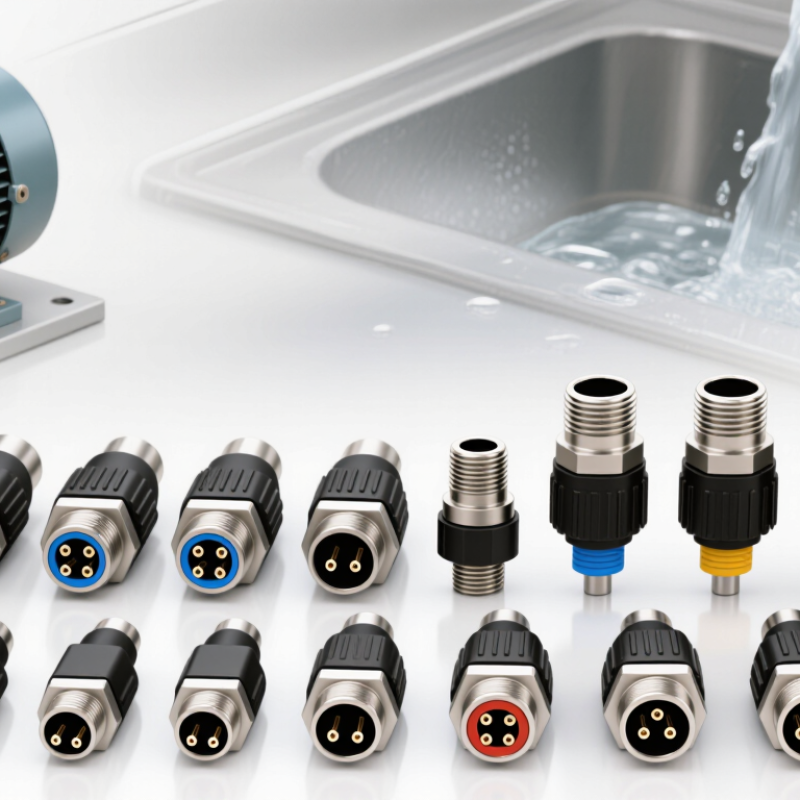
What Is the Best M12 Power Connector for 2026?

M12 Power Connectors: Design, Pinouts, and Operating Principles

What Is the Best M12 Power Connector for 2026?

M12 Power Connectors: Design, Pinouts, and Operating Principles

An M12 power connector uses a circular, threaded interface to join equipment in compact industrial spaces. Its metal contacts carry power, while the coupling nut helps keep the connection secure against vibration. Sealing depends on the connector design, cable, and correct assembly—not just the thread. Details matter.

Pinouts vary by configuration, so never assume two connectors share the same contact assignment. Check the equipment drawing and connector documentation for pin functions, voltage, current, and keying. During operation, each mated contact completes a conductive path from the supply to the load. A mismatched pinout can damage equipment. Also confirm whether the connector is rated for connection under power; many should be mated only when de-energized. In practice, cable routing and strain relief deserve attention too. A neatly threaded joint can still fail if the cable pulls sideways.

Tips: Match pin numbers before wiring, and inspect the seal for dirt or cuts. Tighten the coupling as specified, not by guesswork. Leave enough cable slack to prevent tension at the connector. One easy-to-miss detail is that a connector’s current rating may depend on conductor size and temperature. Check the full assembly rating; I would not rely on a familiar-looking shell alone.

M12 Coding Systems and Their Power Ratings

M12 coding is more than a shape key: it helps prevent incompatible connections and signals the connector’s intended duty. For higher-current DC distribution, IEC 61076-2-111:2017 specifies L-coded M12 interfaces rated up to 16 A and 63 V, depending on configuration. That makes L-coding a common choice for compact machine power, where a cable must fit beside sensors and actuators. Check the exact pin count and cable assembly rating. The connector alone does not set the system limit.

Other codes serve different jobs. T-coded versions are typically rated up to 12 A and 63 V, while S-coded versions can support AC applications up to 12 A and 630 V under specified conditions. A-coded connectors are widely used for sensors and lower-power devices; D- and X-coded types are for data, not a substitute for a power interface.

These figures come from IEC interface specifications, including IEC 61076-2-111, and should be checked against the selected assembly’s datasheet. Heat matters. In a crowded cabinet, ambient temperature, conductor size, and continuous load can reduce usable current. I would not choose by amperage alone; that shortcut is easy to regret.

Key Factors for Comparing M12 Power Connectors in 2026

In 2026, compare M12 power connectors by the load they must carry, not just their compact size. Check rated current and voltage against the machine’s peak demand, then allow for heat, cable length, and enclosure conditions. A connector’s rating can change with wire gauge and operating temperature. Small details matter.

Next, confirm the pin layout, coding, and mating interface match the equipment. Similar-looking connectors may not be interchangeable. Review the specified wire range and termination method, especially if installation space is tight or cables need frequent replacement. For exposed equipment, check the protection rating under the actual mated condition. Dust, washdown, vibration, and temperature swings can all affect service life. That detail is easy to miss.

Also compare contact materials, locking design, and rated mating cycles. A secure coupling helps resist loosening, but the cable still needs proper strain relief. Ask for test data or a clear technical datasheet, including derating guidance. A neat specification table is useful, though it may not reflect a crowded cabinet or repeated field handling. I would verify the complete cable-and-connector assembly before choosing; connector ratings alone can leave gaps.

What Is the Best M12 Power Connector for 2026? — Key Factors for Comparing M12 Power Connectors in 2026
Connector coding or factor Typical role Best fit when What to compare before selection
L-coded DC power connection used in industrial automation, including applications supplying field devices. You need a keyed M12 power interface for a DC-powered device or machine component. Check the device and cable coding, rated voltage and current, contact layout, protective-earth or functional-earth requirements, and permitted wire size.
T-coded DC power connection for compatible M12 interfaces. The equipment specifies T-coded connections and the required DC supply fits the connector’s published ratings. Confirm mating-code compatibility, pin assignment, current per contact, total load, and whether the cable assembly is rated for the installation environment.
K-coded AC power connection for compatible industrial equipment. The machine or device requires an M12 AC power interface with K coding. Verify the AC voltage and current ratings, pin assignment, protective-earth continuity, cable requirements, and applicable installation rules.
S-coded AC power connection for compatible M12 interfaces. The equipment documentation calls for S coding and its electrical requirements are within the connector’s ratings. Compare the exact contact arrangement, rated voltage and current, earthing provisions, mating parts, and environmental protection.
Electrical rating Defines the voltage and current a specific connector or cable assembly is rated to carry. You have confirmed the system’s normal and peak load, supply type, and operating conditions. Use the ratings for the exact connector, cable, and assembled connection—not a general rating for the M12 size or coding alone.
Pin assignment and keying Determine electrical function and prevent incompatible connections. You need to connect equipment with a clearly specified M12 power code and wiring diagram. Match the coding, number and function of contacts, and pinout at both ends. Different M12 codings are not automatically interchangeable.
Ingress protection Indicates resistance to dust and water under specified test conditions. The connector will be exposed to washdown, moisture, dust, or outdoor conditions. Check the protection rating for the complete mated assembly, including seals, cable entry, and installation conditions.
Cable and termination Affects electrical capacity, flexibility, installation, and connection reliability. The cable must suit the load, routing, movement, and termination method. Verify conductor size, cable material, bend radius, temperature range, shielding needs, and compatibility with the connector’s termination system.
Operating environment Includes temperature, vibration, chemicals, UV exposure, and repeated mating. The connector will operate in a demanding machine or plant environment. Compare the complete assembly’s temperature limits, vibration suitability, sealing materials, corrosion resistance, and mating-cycle rating.
Standards and documentation Provides a basis for checking connector dimensions, coding, and declared performance. You need a verifiable fit with the device specification or project requirements. Review the applicable M12 connector standard, the device manufacturer’s wiring documentation, and the exact product datasheet.
Selection summary The “best” M12 power connector depends on electrical requirements, coding, and site conditions. Choose the coding specified by the equipment, then select a compatible assembly with adequate ratings and environmental protection. Ratings and contact arrangements can vary by product. Confirm all values against the exact connector and cable assembly datasheets before installation.

How Operating Conditions Affect Connector Selection

What Is the Best M12 Power Connector for 2026?

How Operating Conditions Affect Connector Selection

The best M12 power connector depends less on the calendar year than on the conditions at the installation point. Start with the load: check operating voltage, current, and the number of contacts required. Then consider heat, moisture, vibration, and exposure to oils or cleaning fluids. A connector beside a warm motor may need a different temperature rating from one inside a protected control cabinet.

Small details matter. Cable flexibility matters, too, especially where a robot arm or moving carriage repeatedly bends the lead.

Ingress protection ratings deserve careful reading. The stated rating may apply only when the connector is correctly mated, sealed, and installed as specified. A high rating cannot compensate for a damaged gasket or a cable that is pulled sideways. For outdoor or washdown areas, check both the connector and cable-jacket specifications.

In electrically noisy equipment, evaluate shielding and grounding alongside the power requirements. There is no universal best choice; even a careful selection can miss a real condition, such as vibration that loosens an inadequately secured connection. Compare the datasheet with the actual mounting space, cable route, and maintenance routine before settling on a configuration.

Matching an M12 Power Connector to an Application

The best M12 power connector is the one that fits the application, not simply the one with the highest rating. Start with the equipment’s voltage, continuous current, and peak load. A small actuator may draw little power at rest but surge during startup. Check the pin assignment and coding against both devices. Small mismatch, big problem.

Next, consider where the connector will operate. A washdown line, an outdoor sensor, and a warm control cabinet need different sealing and temperature capabilities. Review the specified protection rating with the connector properly mated; an open or poorly seated connection may not provide the same protection. Cable length and conductor size matter too, since voltage drop can affect equipment at the far end. A specification can look generous on paper, while cabinet heat reduces the real margin.

Installation details deserve equal attention. In a vibrating machine, confirm that the coupling stays secure and that the cable has strain relief rather than pulling on the connector. Allow enough clearance for hands and tools, especially when several ports sit close together. Before ordering, compare the connector’s current rating under the expected ambient temperature and number of energized contacts. Then test a sample on the actual machine. It may reveal an awkward cable bend or access problem that the drawing missed.

dLED: retail LED lighting
Privacy Overview

This website uses cookies so that we can provide you with the best user experience possible. Cookie information is stored in your browser and performs functions such as recognising you when you return to our website and helping our team to understand which sections of the website you find most interesting and useful.