How to Choose the Best Light Bars for Your Business in 2026
Choosing the right Light Bars in 2026 requires more than comparing brightness, price, and online reviews. A bright beam is not automatically a useful beam.
The International Energy Agency reports that lighting represents roughly 15% of global electricity consumption. This makes efficiency, service life, and control quality important business decisions. The U.S. Department of Energy’s 2023 Solid-State Lighting R&D Opportunities report also highlights optical control, thermal management, and improved efficacy as continuing industry priorities. These findings matter on a warehouse floor, beside a loading dock, or inside a retail display.
Application comes first. A narrow beam may illuminate a distant work area, while a wide beam can reduce dark zones near shelves. Check measured lumens, beam pattern, color temperature, CRI, IP rating, operating temperature, warranty terms, and replacement access. Total cost includes installation and downtime. It is not just the invoice.
Lighting Research Center researcher Dr. Nadarajah Narendran has described LEDs as “a lighting system, not simply a light source.” That principle fits Light Bars well. Housing, optics, drivers, wiring, and heat control work together. Poor thermal design can quietly shorten performance.
There is no perfect specification sheet. I may prioritize efficiency too heavily if glare affects staff comfort. Your business may need fewer lumens, better shielding, or easier maintenance. The best choice balances measured performance with real working conditions, verified certification, and honest supplier support.
Understanding Light Bar Types and Their Business Applications
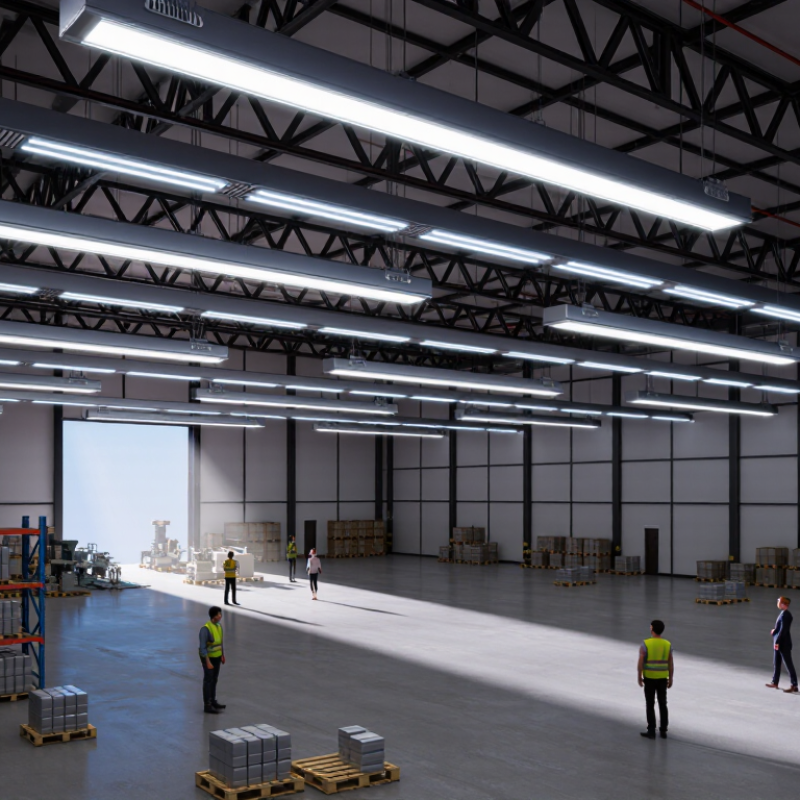
Choosing a light bar starts with its working purpose, not its maximum brightness. Work light bars produce wide, even illumination for warehouses, service vehicles, construction areas, and outdoor maintenance. Spot bars project a narrow beam across longer distances. Combination bars mix both patterns, helping mobile teams inspect a site while keeping nearby surfaces visible. Warning bars use controlled flashes for authorized safety operations. They require careful installation and local compliance checks.
The financial case is also practical. The International Energy Agency reports that lighting uses about 15% of global electricity. The U.S. Department of Energy states that LED lighting can use at least 75% less energy and last up to 25 times longer than incandescent lighting. These figures support LED light bars, but they do not guarantee savings in every business. Poor aiming creates glare, wasted light, and worker discomfort. That assumption can fail.
For a loading dock, choose a durable flood bar with sealed housing and vibration resistance. For long rural inspections, a spot or hybrid design may work better. Measure beam distance, mounting height, runtime, and cleaning exposure before buying. An IP rating helps, but it is not magic. The International Electrotechnical Commission’s IP standard evaluates dust and water protection, not total product quality. Check thermal management, warranty terms, wiring protection, and replacement access. A cheaper bar may become expensive when downtime starts.
Assessing Brightness, Beam Patterns, and Lighting Performance
Choosing the best light bars for your business starts with measured performance, not impressive packaging claims. Brightness should match the working environment. A warehouse aisle may need broad, even illumination, while an outdoor service vehicle may require a stronger forward beam. Check published lumen figures, but treat them as a starting point. Real performance changes with lens design, installation height, dust, and temperature.
Beam pattern matters just as much. A flood pattern spreads light across nearby shelves, loading areas, or work surfaces. A spot pattern projects a narrow beam over longer distances. Combination patterns can support mixed tasks, although they may create uneven edges. I once selected a very bright bar that produced harsh glare on a wet surface. It looked powerful, but it reduced visibility. That mistake reminded me to test lighting at the actual installation height.
Tips: Compare lux readings at key work points, not only total lumens. Inspect shadows around corners and equipment. Check color temperature and color rendering when workers must identify labels or wiring. Review heat management, power consumption, vibration resistance, and weather protection. Ask for test data from controlled conditions. Then perform your own evening trial.
Lighting performance also depends on the vehicle, mounting angle, wiring, and maintenance schedule. A poorly aimed bar can waste useful light and disturb nearby workers. Results may differ from laboratory figures. Allow room for that uncertainty. Controls with adjustable output can improve comfort, but overly complex controls may slow daily operations. Keep the setting practical.
How to Choose the Best Light Bars for Your Business in 2026
Compare representative commercial performance targets by application. Brightness is shown as rated lumens, while beam angle and useful reach help evaluate how effectively the light is distributed.
Flood patterns spread light across a wider area, spot patterns deliver greater distance, and combination patterns balance coverage with reach. For purchasing decisions, compare lumen output with beam angle, optical efficiency, thermal management, ingress protection, and the actual working distance required.
The figures represent practical commercial selection targets for common use cases rather than brand-specific claims. Actual performance varies with optics, installation height, temperature, and power supply.
Checking Compatibility, Installation Requirements, and Safety Standards
Choosing the best light bars for business use in 2026 starts with compatibility, not brightness. The International Energy Agency reports that lighting consumes about 15% of global electricity. Efficient selection matters. Check the system voltage, rated current, connector type, dimming method, and control protocol before ordering. A 24-volt bar cannot safely replace a 12-volt unit without suitable conversion equipment. Measure the mounting surface too. A narrow cabinet, vehicle roof, or warehouse beam may need different brackets and cable lengths.
Installation conditions deserve equal attention. Confirm heat dissipation around the housing, especially above ceilings or inside enclosed displays. Review the IP rating for dust and water exposure. Outdoor or washdown areas may require IP65 or higher, depending on the environment. The IEC 60598-1 standard provides general luminaire safety requirements, while IEC 62471 evaluates photobiological risks from optical radiation. Ask for test documents, wiring diagrams, and temperature ratings. Do not rely only on a product photograph.
Safety checks can prevent expensive rework. Verify grounding, overcurrent protection, cable strain relief, and emergency access before commissioning. Electromagnetic compatibility should also match the surrounding equipment. Relevant EMC testing can reduce interference with sensors, radios, and control systems. I have seen installations fail because the bar fitted physically but overheated after several hours. That mistake is easy to repeat. Leave clearance, document the final wiring, and arrange inspection by a qualified electrician where required.
Evaluating Costs, Suppliers, and Long-Term Business Value
Choosing light bars for a business in 2026 requires more than comparing online prices. The lowest quote can hide weak housings, inconsistent LEDs, or costly installation work. Ask suppliers for test reports, warranty terms, production capacity, and replacement-part availability. Request samples before placing a volume order. Measure brightness, beam spread, heat, wiring quality, and performance after repeated use. These checks create evidence instead of relying on attractive product photos.
Cost should include freight, mounting hardware, labor, energy use, maintenance, and downtime. A cheaper unit may become expensive when technicians replace it twice. Compare total cost over three to five years, not only the invoice. Clarify minimum order quantities and payment schedules early. Suppliers that answer technical questions clearly are easier to manage when problems appear. Still, responsiveness is not proof of quality. Document every promise in the purchase agreement.
Long-term value depends on stable output and predictable service. For commercial vehicles or work sites, reliable illumination can reduce delays and improve task visibility. However, brighter is not always better. Excess glare may slow operators or create complaints in shared spaces. Review installation limits, operating temperatures, and applicable safety requirements with a qualified professional. One uncomfortable lesson is that forecasts are often too optimistic. Demand may change, spare parts may sit unused, and a trusted supplier may change factories. Build a small pilot order before scaling. That extra step costs time, but it exposes weaknesses while they remain affordable.
How to Choose the Best Light Bars for Your Business in 2026 - Evaluating Costs, Suppliers, and Long-Term Business Value
2026 Commercial Light Bar Evaluation and Total Cost Comparison
| Business Application |
Typical Light Output |
Power Draw |
Purchase Cost per Unit |
Installation Cost per Unit |
Expected Service Life |
Recommended Warranty |
Estimated Monthly Energy Cost* |
Estimated 3-Year Total Cost** |
Supplier Requirements |
Long-Term Business Value |
| Small commercial vehicles and service fleets |
8,000–12,000 lumens |
100–140 W |
US$90–180 |
US$60–120 |
30,000–50,000 hours |
3–5 years |
US$15–21 |
US$690–948 |
Vehicle compatibility data, vibration testing, replacement parts, batch consistency |
High — low operating cost and simple replacement process |
| Construction, agricultural, and utility equipment |
15,000–25,000 lumens |
180–260 W |
US$160–320 |
US$100–220 |
30,000–50,000 hours |
3–5 years |
US$27–39 |
US$1,232–1,944 |
IP rating documentation, thermal management data, impact testing, technical support |
Very high — improved work visibility and equipment utilization |
| Emergency response and roadside assistance fleets |
20,000–35,000 lumens |
280–380 W |
US$240–480 |
US$120–260 |
30,000–50,000 hours |
3–5 years |
US$42–57 |
US$1,872–2,796 |
Electrical compliance records, weather sealing, surge protection, rapid warranty response |
Very high — reliability and safety generally outweigh the initial price |
| Mining, heavy-duty, and off-road operations |
30,000–50,000 lumens |
400–550 W |
US$380–750 |
US$220–450 |
40,000–60,000 hours |
5 years |
US$60–83 |
US$2,760–4,188 |
Independent environmental testing, high-temperature performance data, spare-unit availability |
High — downtime avoidance is the main financial benefit |
| Large fleet standardization and multi-site procurement |
15,000–35,000 lumens |
200–360 W |
US$180–420 |
US$90–240 |
30,000–50,000 hours |
4–5 years |
US$30–54 |
US$1,320–2,508 |
Volume pricing, stable production, documented quality control, inventory planning, service-level agreement |
Very high — standardized parts reduce training, inventory, and maintenance costs |
Planning assumptions: Energy estimates use 100 operating hours per month and an electricity rate of US$0.15 per kWh. Purchase and installation figures are typical planning ranges for commercial procurement and may vary by specification, order volume, region, mounting complexity, and freight.
Total cost methodology: Three-year total cost includes purchase price, installation, and estimated electricity use; it excludes taxes, financing, major repairs, vehicle downtime, and replacement labor.