In the ever-evolving world of indoor and outdoor lighting, Led Spotlights stand out as a top choice for both ambiance and functionality. Expert lighting designer, Dr. Emily Carter, emphasizes, “Quality and brightness are key when selecting any spotlight.” As technology advances, it’s crucial to stay informed about which models shine the brightest in 2026.
Many consumers may feel overwhelmed by the sheer number of Led Spotlights available today. Some may gravitate toward popular brands without understanding the finer details that influence performance. Not every spotlight that glitters is a top performer; some models might disappoint despite their sleek appearance.
Finding the right Led Spotlights requires careful examination of features such as lumens, energy efficiency, and beam angle. Moreover, user reviews provide both insights and reflections on performance over time. Even small nuances in design can impact overall satisfaction. Hence, focusing solely on price may not always yield the best results.
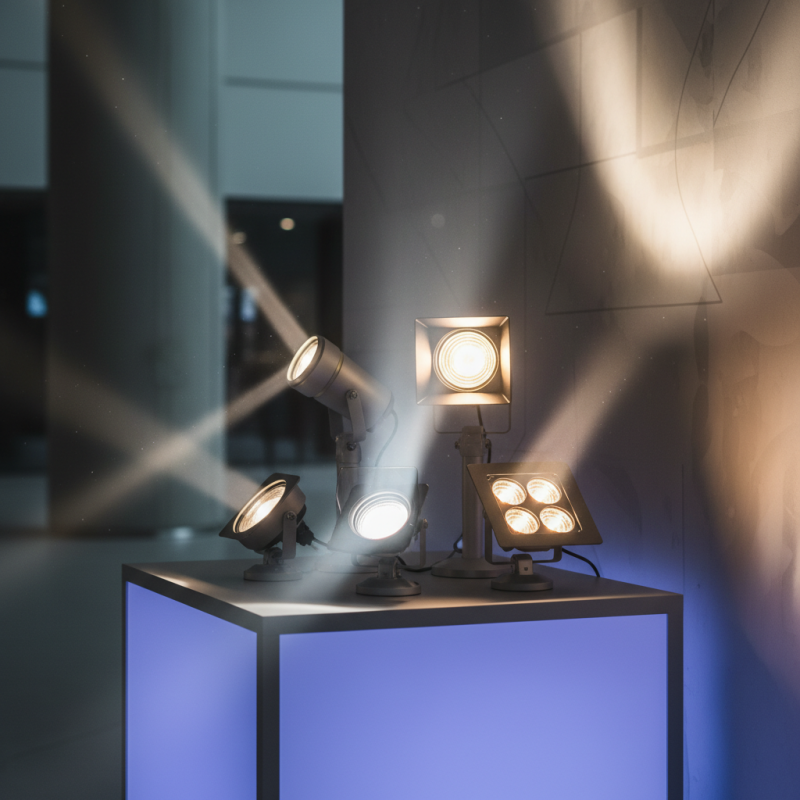
When selecting the best LED spotlights for 2026, several key features stand out. Brightness is paramount. Look for spotlights with lumens ratings above 800 for effective illumination of spaces. The American Lighting Association suggests that high-lumen output not only enhances visibility but also improves safety in darker areas. Also, consider the beam angle. A narrower beam concentrates light, while a wider angle offers more coverage.
Efficiency is another critical factor. LEDs consume less power compared to traditional bulbs. According to the U.S. Department of Energy, high-quality LED spotlights can use up to 75% less energy, translating into significant savings. Longevity is equally important. Many LED spotlights last over 25,000 hours, outpacing incandescent bulbs dramatically. This feature reduces replacement costs and waste.
Tips: Prioritize spotlights with adjustable brightness settings for versatility. This allows you to tailor the lighting according to different activities. Evaluate both the color temperature and color rendering index (CRI). A CRI above 90 ensures accurate color representation, making your space feel more vibrant and true to life. Additionally, keep in mind that not all areas benefit equally from bright lighting. Some spaces may require softer lighting to create a cozy atmosphere.
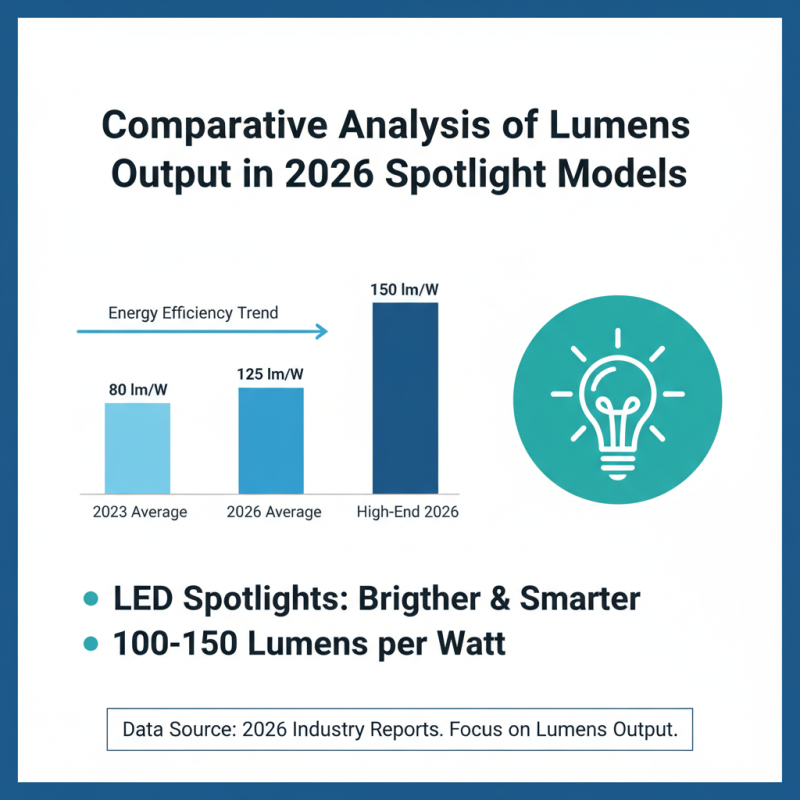
This chart compares the brightness (measured in lumens) of various LED spotlights available in 2026. Lumens measure the total amount of visible light emitted, allowing consumers to determine which spotlight shines the brightest for their needs. The following data illustrates the differences in brightness among top-rated LED spotlights.
In 2026, the search for the best LED spotlights centers on lumens output. This measurement directly indicates brightness. Industry reports suggest that average lumens per watt have improved significantly. Many models now offer between 100 to 150 lumens per watt. This enhancement suggests a shift towards energy-efficient lighting solutions.
Lumens output varies across different models. Some high-end units exceed 1800 lumens, creating bright environments suitable for various applications. Yet, in practical usage, users often struggle with optimal placement. A spotlight’s brightness can be overwhelming in small spaces, creating harsh glare. It's essential to balance brightness with user comfort for best results.
While many spotlight models claim high lumens output, actual usability is critical. Users need practical insights into which models perform well in real-world scenarios. A spotlight that shines bright may not always meet specific needs. Industry analysis indicates the importance of evaluating angles and light distribution. Taking these factors into account can help users make informed decisions for their lighting needs.
The energy efficiency of LED spotlights has become a focal point in recent years. According to the U.S. Department of Energy, LED lighting uses up to 75% less energy than traditional incandescent bulbs. This significant reduction is crucial as energy costs continue to rise, impacting both households and businesses alike. LED spotlights not only consume less energy, but they also convert up to 95% of their energy into light, minimizing wasted heat.
A study from the International Energy Agency highlights that transitioning to LED technology could save the equivalent of over 1.5 billion tons of carbon dioxide emissions annually by 2030. These metrics illustrate how adopting LED spotlights contributes to a more sustainable future. Despite the benefits, there can be challenges in initial purchase costs, which may deter users.
However, over time, the savings on energy bills often offset these costs. The lifespan of LEDs is notably longer, averaging around 25,000 hours compared to 1,000 hours for incandescents. This durability also plays a critical role in reducing waste, as fewer replacements mean less environmental impact. While the transition may come with hurdles, the overall energy efficiency is a pivotal aspect worth considering for 2026 and beyond.
When selecting LED spotlights, durability and lifespan are crucial factors. High-quality LEDs can last over 25,000 hours. However, not all products meet this benchmark. Some cheaper options may fail sooner. Long-lasting lights not only save money on replacements but also reduce waste. It’s essential to buy products built to last.
Many consumers underestimate the impact of construction materials. Metal housing is often more durable than plastic. Heat management is another important aspect. Well-designed lights dissipate heat, extending lifespan. If a spotlight runs hot, it often won’t last as long. Remember to check the ratings and standards for longevity. Ratings like IP65 signify good resistance to dust and moisture.
Users should also look for warranties. A solid warranty indicates a manufacturer's confidence in their product. Be cautious of exaggerated claims about brightness and efficiency. Sometimes, a spotlight shines brightly but doesn’t last. Customers should prioritize performance over flashy marketing. Understanding these aspects leads to better purchasing decisions. Choose wisely for your lighting needs.
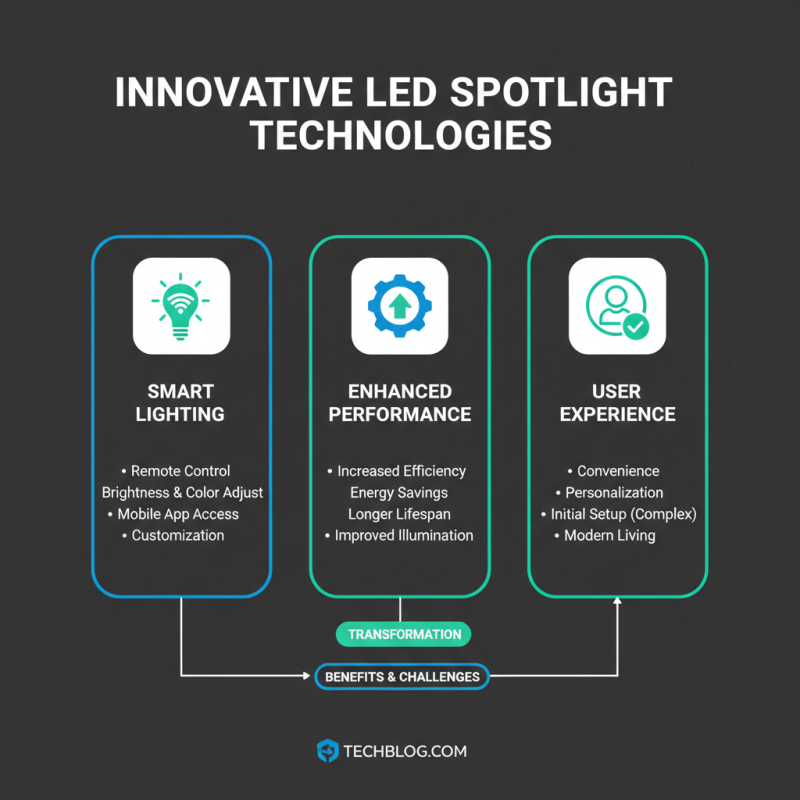
Innovative technologies have transformed the world of LED spotlights, delivering enhanced performance and efficiency. One significant advancement is the introduction of smart lighting features. These features allow users to adjust brightness and color temperature easily. Mobile apps enable remote access and customization. This convenience can greatly improve user experience, yet some people may find the initial setup complex.
Another noteworthy innovation is the use of advanced optics. Using specialized lenses and reflectors, manufacturers can focus light more effectively. This results in a more concentrated beam with less light spill. Having precise lighting is essential for both ambiance and functionality. However, achieving the perfect angle can be tricky. Sometimes, users might have to reposition their fixtures multiple times.
Moreover, energy efficiency continues to evolve. Newer models are now capable of using less power while producing more lumens. This environmental consciousness is vital, but it can lead to skepticism over actual savings. Some users may still feel uncertain about the longevity of their investment. It’s crucial to weigh potential benefits against these concerns. The journey to brighter, smarter lighting is ongoing, and continuous adaptation is required.