
In today's world, safety in electrical installations is paramount. An Isolation Switch plays a crucial role in ensuring this safety. It allows for the safe disconnection of electrical circuits during maintenance or emergencies. This simple device can prevent accidents and protect both equipment and personnel.
Selecting the best Isolation Switch requires careful consideration. Different models offer various features and performance levels. Factors like voltage rating, mounting options, and weather resistance are essential. Many users overlook these details, leading to potential hazards. Making an informed choice can significantly improve safety and efficiency.
Reflection on past decisions can provide insights. Some may have experienced issues due to inadequate isolation devices. Learning from these experiences can guide future selections. A reliable Isolation Switch not only enhances performance but also ensures peace of mind.
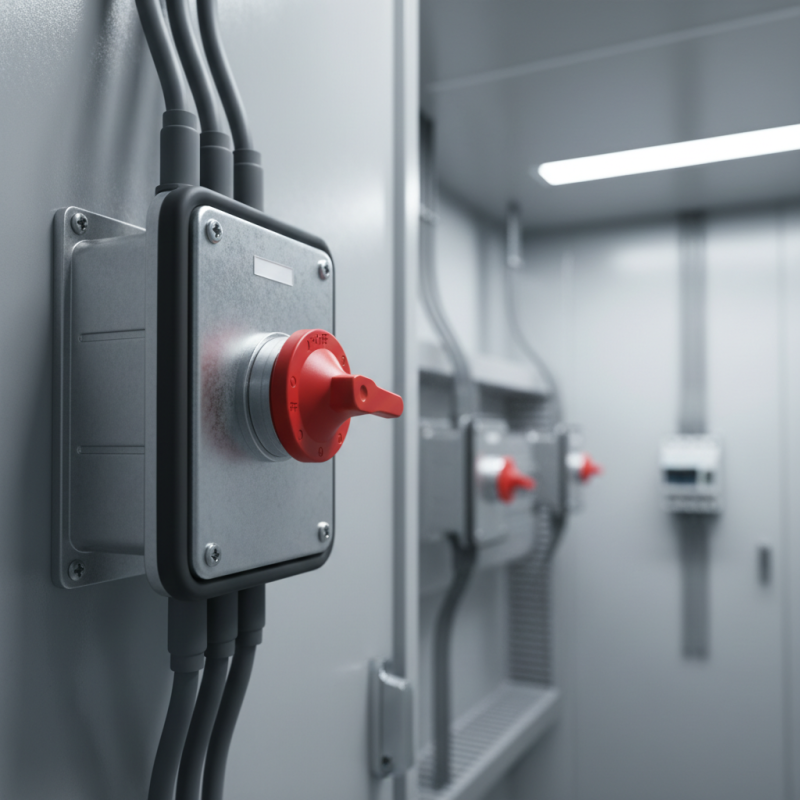
When selecting an isolation switch, understanding electrical safety standards is crucial. These standards ensure reliable performance and protect against electrical hazards. Different types of switches cater to various needs, whether for residential or industrial use.
Tips: Always check the voltage ratings. Ensure the switch can handle the maximum load of your system. A mismatch can lead to failures.
Isolation switches operate by disconnecting electrical circuits. This feature is vital for maintenance and emergency situations. Many installations require clear labeling and easy access. Regular inspections are necessary to maintain safety.
Tips: Keep a routine inspection schedule. Look for signs of wear or corrosion. These can compromise the switch's effectiveness over time.
Good isolation switches should meet specific standards. These include durability and weather resistance. Users often overlook these aspects until issues arise. Understanding these requirements can enhance safety and performance in your setup.
Isolation switches play a crucial role in electrical safety and performance. They provide a way to disconnect power for maintenance or emergencies. The best isolation switches offer key features that enhance operational efficiency and overall safety.
Tip: Always select switches with robust housing to withstand harsh environments. Weather-resistant enclosures can prevent damage.
One essential feature is the visibility of the switch position. Indicators help operators know whether the power is on or off. According to a report by the Electrical Safety Foundation International, proper visibility significantly reduces the chances of accidental activation. Additionally, ease of operation is vital. Switches should require minimal force to toggle, ensuring quick access during emergencies.
Another important aspect is material quality. High-grade materials can prevent corrosion and enhance longevity. A study found that switches made from superior materials last 40% longer than their counterparts. This extended lifespan translates to cost savings over time.
Tip: Regularly check and test isolation switches to ensure they function correctly. Failing to do so can lead to unexpected outages.
In understanding the demands of modern electrical systems, investment in top-quality isolation switches becomes evident. Features like visual indicators and durable materials are not merely aesthetic; they impact functional performance and safety.
In the field of electrical safety, isolation switches play a crucial role. Manual isolation switches provide a basic level of safety. They require human intervention to operate, which can lead to potential risks. According to a 2022 industry report, up to 30% of accidents are linked to human error during manual operations. This statistic raises concerns about relying solely on manual switches for safety.
On the other hand, automated isolation switches offer enhanced protection and performance. These systems reduce human intervention, thus minimizing errors. Data from a recent study revealed that automated switches can improve response times by 50%. This is particularly important in emergency situations where every second counts. Despite these advantages, automated systems can be complex and costly to install. Not all facilities have the budget or resources for such upgrades.
Companies must evaluate their specific needs. Manual switches may still be suitable for smaller operations, despite the risk factors involved. However, for larger facilities, the long-term benefits of automated systems might outweigh initial costs. The decision should be based on a careful analysis of efficiency, safety risks, and operational complexity. Finding the right balance is essential for optimal electrical safety.
When evaluating isolation switches, safety and performance are paramount. Choosing the right switch is crucial for electrical systems. Several brands stand out in the industry for their reliability and effectiveness. They offer a range of models designed for various applications. Some switches are built to withstand harsh conditions, while others focus on efficiency.
Tips: Always consider the environment. Outdoor switches often need weatherproof designs. Indoor switches may prioritize compactness.
Some models have features like visual indicators for status, enhancing user safety. Look for switches that meet international standards. This ensures they perform well under different conditions.
Tips: Regular maintenance can extend the life of your isolation switch. Dust and corrosion can hinder performance over time. Always inspect connections and housing.
Making informed choices in isolation switches promotes safety. Reflect on your specific needs. Not all switches suit every application. Understanding the variations can lead to better outcomes.
This chart represents the performance metrics of various isolation switches in terms of safety ratings, durability, and operational efficiency. The data is derived from industry assessments and user feedback.
When choosing an isolation switch, thermal and voltage ratings are crucial. These ratings ensure the switch can handle specific loads without overheating. Proper thermal ratings prevent damage from excessive heat. A switch that runs too hot may fail or become unsafe. Therefore, it is vital to evaluate the temperature range before using an isolation switch.
Voltage ratings are equally important. They determine the maximum voltage the switch can safely handle. Exceeding this limit can lead to serious hazards. Many users underestimate these ratings. This oversight can lead to catastrophic failures. Understanding the power supply characteristics is necessary. It helps match the switch to the application.
In practice, it’s common for people to overlook these factors. Installing a switch without considering these ratings can cause issues. Taking time to evaluate thermal and voltage requirements requires effort. However, this step is essential for safety and performance. Making the right choice influences the reliability of the entire system. A well-matched isolation switch enhances operation and protects against risks.
| Switch Type | Voltage Rating (V) | Current Rating (A) | Thermal Rating (°C) | IP Rating | Application |
|---|---|---|---|---|---|
| Rotary Isolator | 400 | 63 | 85 | IP65 | Industrial Machinery |
| Molded Case Switch | 750 | 100 | 70 | IP54 | Commercial Panels |
| Compact Switch | 230 | 32 | 60 | IP20 | Residential Use |
| Safety Disconnect Switch | 600 | 80 | 90 | IP66 | Utility Installations |
| Double Pole Switch | 400 | 45 | 75 | IP44 | Lighting Circuits |
