
2026 Best CNG Bus Spark Plugs for Global Buyers

Choosing the right Cng Bus Spark Plugs can protect uptime, support stable combustion, and reduce avoidable maintenance. Yet “best” depends on the engine, fuel system, duty cycle, and manufacturer specifications. A plug that performs well in a city bus may not suit a coach running long highway shifts. Small details matter: electrode wear, insulator condition, plug gap, and the torque used during installation.

Combustion researcher John B. Heywood’s work informs this practical principle: “Reliable ignition starts with matching the component to the engine’s operating conditions.” This is an editorial paraphrase, not a verbatim quotation. The distinction matters. Buyers should confirm compatibility through engine documentation and supplier data, rather than relying on a product name or broad performance claim.

This guide examines Cng Bus Spark Plugs for global buyers through a practical lens. It considers material, heat range, service life, availability, and technical support. Look closely. A clean plug can still be the wrong specification, while a premium label cannot compensate for poor installation. We also recognize a limitation: product rankings change with engine models, regional supply, and verified test results. That makes any universal winner difficult to defend. Use the comparisons as a starting point, then check every shortlisted plug against the bus manufacturer’s requirements and real fleet conditions.
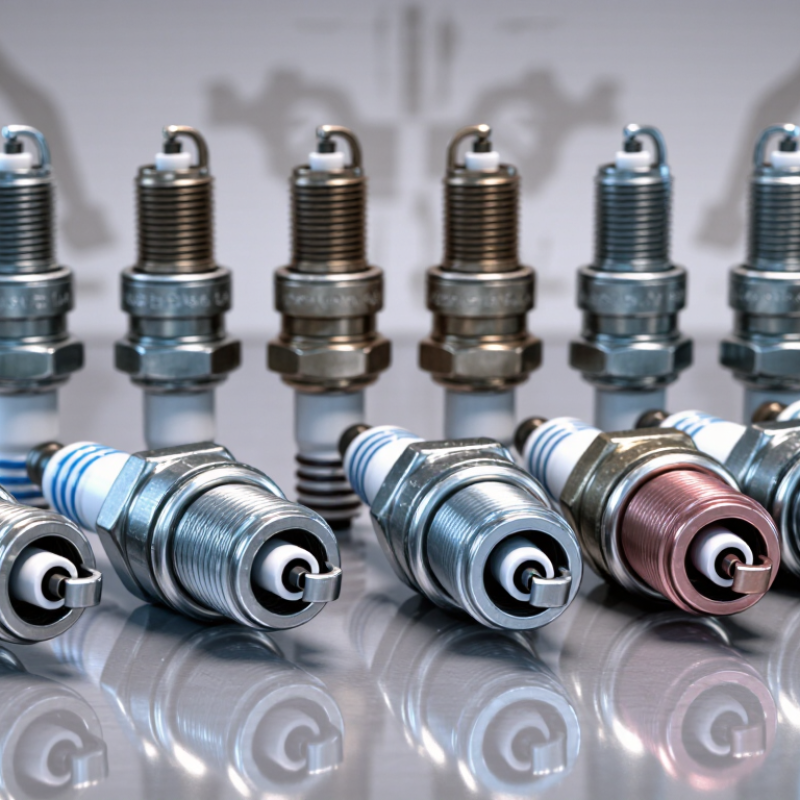
2026 Best CNG Bus Spark Plugs for Global Buyers

What CNG Bus Spark Plugs Are and How They Work

A CNG bus spark plug does more than create a spark. It must ignite a compressed natural-gas and air mixture reliably, thousands of times per minute, despite vibration, heat, and changing engine loads. The plug’s center and ground electrodes form a small gap. High voltage jumps across it, creating a flame kernel that spreads through the cylinder. A small gap matters. CNG’s ignition characteristics differ from gasoline’s, so plug gap, electrode material, and heat range must match the engine maker’s specification. Choosing by appearance alone is risky.

Fuel-system conditions also shape the job. The U.S. Department of Energy’s Alternative Fuels Data Center reports that onboard CNG is commonly stored at 3,000–3,600 psi. That pressure is reduced before gas reaches the engine, but stable fueling and ignition still matter during cold starts and steep climbs. In service, a technician should inspect electrode wear, deposits, and insulator cracks, then compare the gap with the bus manual. Heat is real. Too-cold a plug may foul; too-hot a plug can raise pre-ignition risk. The trade-off is not always obvious, and operating hours alone can mislead. Stop-start routes, oil condition, and engine calibration all affect plug life. Record the removed plug’s condition, not just its replacement date.

2026 Best CNG Bus Spark Plugs for Global Buyers: What CNG Bus Spark Plugs Are and How They Work

A spark plug creates an electrical discharge that ignites the compressed air–fuel mixture in a spark-ignition CNG engine. The chart shows key methane-in-air concentration reference points: the approximate lower and upper flammability limits, and the stoichiometric mixture.

Values are approximate methane volume percentages in air under ambient reference conditions. Actual ignition and combustion in an engine depend on operating conditions, mixture composition, and ignition-system design.

Operating Conditions That Shape CNG Spark Plug Performance

CNG bus spark plugs work in conditions that differ sharply from light-duty service. The U.S. Department of Energy’s Alternative Fuels Data Center reports that compressed natural gas is commonly stored at up to 3,600 psi. That is tank pressure, not cylinder pressure, but it highlights the need to assess the complete fuel and engine system. In service, long idling, repeated starts, steep grades, and high summer temperatures can alter plug temperature and deposit formation. Lean mixtures can also demand a stronger, reliable spark. Small gap errors matter.

Selection should follow the engine maker’s specified plug type, heat range, and gap, then be checked against the bus’s actual duty cycle. Inspect plugs for rounded electrodes, deposits, cracked insulation, and uneven wear; record mileage and operating hours. A plug that looks clean may still misfire under load. The DOE AFDC’s fuel guidance and the U.S. Energy Information Administration’s natural-gas overview describe fuel properties, but they do not prescribe a universal bus-plug interval. That distinction is easy to miss. Fleet maintenance records are often incomplete, especially when buses move between routes, so interval decisions deserve review against real inspection findings.

Key Materials and Design Features for CNG Bus Spark Plugs

For a CNG bus, spark-plug materials matter because reliable ignition must hold up through long routes, frequent starts, and steady engine load. A fine-wire iridium or platinum electrode can create a focused spark with less electrode mass. That can help maintain ignition performance as the plug wears. Nickel-alloy electrodes cost less, but may need more frequent inspection in demanding service. No material fixes an incorrect heat range.

The center electrode may use a copper core to transfer heat from the firing end. The outer shell and insulator also deserve attention: a sound ceramic insulator resists electrical leakage, while a well-finished shell supports consistent seating. A resistor design can reduce electrical interference with vehicle electronics. Small details count. For example, a damaged insulator or poorly set gap can undermine an otherwise suitable plug.

CNG engines may need higher ignition voltage than comparable gasoline engines, depending on their design and operating conditions. A narrow gap can reduce voltage demand, but changing it without engine specifications is a poor shortcut. Check the recommended gap, heat range, and tightening procedure for the specific engine. A fine-wire tip is not magic. Maintenance records, plug condition, and misfire patterns help reveal whether the chosen design suits the bus’s actual duty cycle. One limitation remains: service conditions vary, so a material choice alone cannot predict plug life.

How Global Buyers Can Compare CNG Bus Spark Plug Options

Global buyers should compare CNG bus spark plugs against the engine manufacturer’s service specification, not price alone. The U.S. Department of Energy’s Alternative Fuels Data Center reports that natural gas typically has an octane rating of 120–130. This high knock resistance does not make every plug interchangeable. Match the specified heat range, reach, seat type, thread, and electrode gap to the exact engine family. Small dimensional differences can cause misfires or contact.

Compare operating evidence, not catalogue adjectives. Ask suppliers for material details, gap-tolerance records, and test results from comparable bus engines. Check service intervals against local duty cycles: long idling in dense traffic, steep routes, dusty depots, and cold starts can affect wear. Review misfire logs and removed plugs from the fleet, if available. A clean-looking plug is not proof of long life. Specifications vary by engine calibration; don’t infer fit from fuel type alone. Some data is messy.

Tips: Request a sample set, verify dimensions with a workshop gauge, and record mileage, gap, deposits, and misfires at inspection. Compare cost per operating hour, not unit price. Keep the engine manual beside the bid sheet.

2026 Best CNG Bus Spark Plugs for Global Buyers - How Global Buyers Can Compare CNG Bus Spark Plug Options

Use this comparison to shortlist plug types, then confirm the exact part specification against the bus engine manufacturer’s requirements. There is no universal spark plug for all CNG bus engines.

Option or comparison area What it means Potential advantages Limitations and checks Buyer comparison guidance
Engine-manufacturer-specified plug The exact plug type and specification listed for the engine or bus application. Provides the clearest starting point for fit, ignition performance, and maintenance planning. Confirm the specification applies to the engine code, model year, and CNG configuration being serviced. Use as the baseline when comparing alternatives; do not rely on vehicle make or fuel type alone.
Nickel-alloy electrode plug A conventional electrode construction, available in different dimensions and heat ranges. Can be a practical option where it is specifically approved for the engine and the maintenance schedule suits the fleet. Electrode material alone does not establish CNG suitability or service life. Verify the full plug specification. Compare purchase price together with the specified inspection and replacement intervals.
Platinum-electrode plug Uses platinum on one or more electrodes; designs vary by application. May offer greater electrode wear resistance than a conventional design when the specific plug and engine application support it. Platinum construction does not guarantee a longer interval or correct operation in every CNG engine. Request application-specific fitment data and the maintenance interval applicable to the engine.
Iridium-electrode plug Uses a fine-wire iridium electrode in designs intended for particular engine applications. A fine-wire design can support the specified ignition system and may provide good electrode durability in approved applications. Material and electrode appearance do not confirm compatibility. Heat range, dimensions, and approved gap still matter. Compare only against a documented application match, not a general “premium” label.
Thread, reach, and seat Physical interface details that determine whether a plug fits and seats correctly in the cylinder head. Matching the specified dimensions supports correct installation and helps avoid fitment errors. A plug that threads in is not necessarily the correct reach or seat type; incorrect dimensions can cause engine problems. Verify thread diameter and pitch, reach, seat design, and terminal configuration against engine documentation.
Heat range and approved gap Engine-specific thermal rating and electrode gap, as defined by the engine or plug application data. Using the specified values helps keep the plug within its intended operating conditions and supports reliable ignition. There is no single correct heat range or gap for all CNG buses. Do not adjust the gap without application guidance. Ask suppliers to state the exact specification and whether the supplied plug is pre-gapped or requires checking.
CNG application evidence Documentation linking the plug specification to the particular natural-gas engine or vehicle application. Helps buyers distinguish an evidenced fitment from a general-purpose or unverified substitution. A “CNG compatible” description without engine-specific supporting information may be insufficient for fleet purchasing. Request a fitment list, technical data sheet, and written confirmation for the engine code and bus configuration.
Fleet cost and supply Total cost includes the purchase price, replacement frequency, labor, stockholding, and delivery considerations. A consistent, documented specification can simplify fleet maintenance and procurement across depots. A low unit price alone does not establish lower operating cost; service intervals depend on the approved engine application. Compare landed cost, batch traceability, order consistency, availability, and warranty terms alongside technical fit.

Note: Specifications and replacement intervals are engine-specific. Confirm the required plug part specification, heat range, gap, and service schedule in current engine documentation before ordering or installation.

Compatibility, Maintenance, and Replacement Considerations

CNG bus spark plugs must match the exact engine specification, not merely the thread size. Check the required heat range, reach, seat type, resistor, and electrode gap against the engine service manual. A plug that fits physically can still misfire under load. Small differences matter. Before installation, compare the new plug with the removed one and inspect for cracked ceramic, worn electrodes, or carbon tracking. A clean-looking plug can still be the wrong specification.

Set replacement intervals by engine guidance and operating records; stop-start routes, long idling, and frequent heavy loads can change service needs. Record mileage, plug type, gap, and misfire symptoms at each change.

The U.S. Department of Energy’s Alternative Fuels Data Center cites inspection of CNG cylinders at least every three years or 36,000 miles, whichever comes first, under applicable U.S. requirements. That is not a spark-plug interval, but it shows why ignition work belongs in a broader CNG maintenance plan.

Inspect related ignition components when diagnosing a misfire, and confirm the cause before replacing plugs.

Fleet records are useful, though they are not perfect: route conditions can make two similar buses age differently.

dLED: retail LED lighting
Privacy Overview

This website uses cookies so that we can provide you with the best user experience possible. Cookie information is stored in your browser and performs functions such as recognising you when you return to our website and helping our team to understand which sections of the website you find most interesting and useful.