
The global lighting market is experiencing a dynamic shift, with increased demand for aesthetically pleasing and energy-efficient products. As of 2022, the wall sconce segment alone has shown a compound annual growth rate (CAGR) of 5.5%, highlighting the necessity for reliable suppliers. China Wall Sconces Suppliers are at the forefront of this trend, offering competitive pricing and innovative designs.
Businesses worldwide are looking for partners that embody quality and professionalism. China, as a major manufacturer, plays a crucial role in meeting global demands. However, not all suppliers uphold the same standards. Reliable data from industry reports indicate that buyers must evaluate suppliers based on their compliance with quality certifications and customer service ratings.
The journey towards finding the best supplier is not without challenges. Buyers often face issues related to product inconsistency and communication barriers. Navigating the landscape of China Wall Sconces Suppliers requires a keen eye and due diligence. It's essential to engage with suppliers who demonstrate a commitment to improvement and transparency.
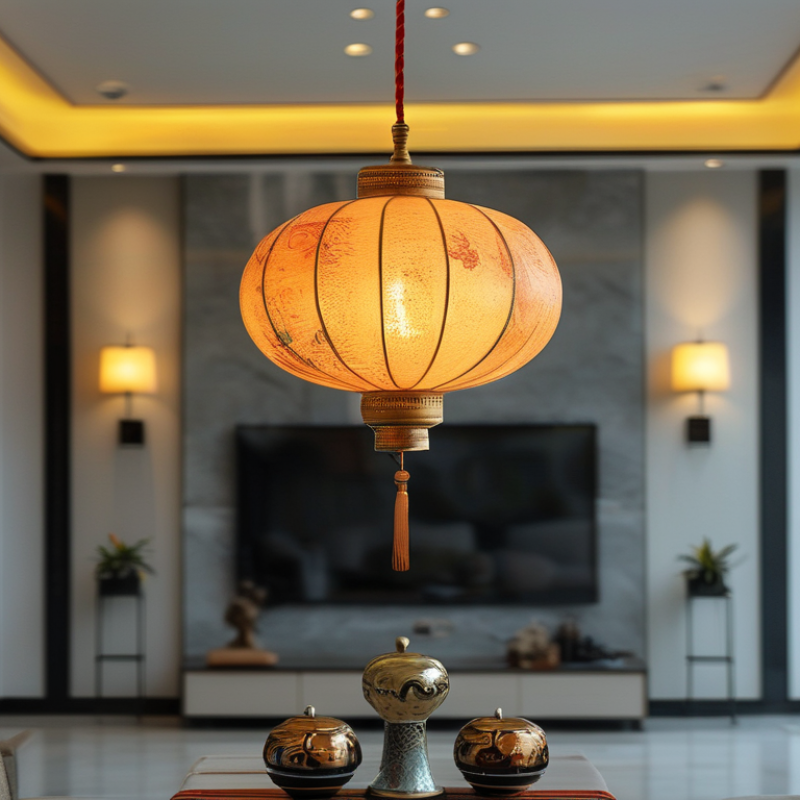
As the wall sconces market in China continues to evolve, global buyers face new opportunities and challenges. In 2026, the landscape is ripe for innovation. The demand for aesthetically pleasing and energy-efficient lighting is on the rise. Buyers are looking for designs that blend style with functionality. This shift drives manufacturers to explore new materials and sustainable practices.
Quality control remains a critical focus for suppliers. Many manufacturers are investing in advanced technologies. This enhances production efficiency while ensuring product reliability. However, the rapid growth also brings risks. Not all suppliers can maintain high standards. Buyers should thoroughly vet potential partners to avoid quality discrepancies. Conducting factory visits and requesting certifications can help mitigate these risks.
Understanding market trends is essential for successful sourcing. Smart lighting solutions are gaining traction. Features like remote control and energy-saving options attract attention. Suppliers in China are responding to this trend. However, balancing innovation with traditional craftsmanship may pose challenges. Buyers need to stay informed and adaptable as the market changes.
When choosing wall sconces from China, certain key features stand out. Quality materials are essential. Look for metal, glass, or high-grade plastic. According to industry reports, over 70% of buyers prioritize durability. Fixtures made from quality materials tend to last longer, ensuring a better return on investment.
Next, consider the design versatility. Contemporary styles are popular, but some buyers lean toward vintage or industrial looks. In fact, a recent survey showed that 55% of buyers prefer sconces that match various decor themes. This adaptability can enhance a room’s ambiance.
Energy efficiency is increasingly vital. Many buyers now seek LED options, which consume less power. Reports indicate that LED wall sconces can reduce energy costs by up to 80% compared to traditional bulbs. These features not only benefit your wallet but also the environment. Remember to evaluate their light output and color temperature. Each detail contributes to overall satisfaction, yet not all suppliers meet such standards.
When considering wall sconces, it's vital to explore innovative suppliers in China. Many companies push the boundaries of design, integrating modern technology with traditional aesthetics. Products often feature energy-efficient LEDs and smart home compatibility, appealing to eco-conscious buyers. These advancements suggest a shift toward sustainable lighting solutions that are both functional and stylish.
One key aspect is the variety of materials used. Suppliers experiment with metals, glass, and even eco-friendly options like bamboo. This not only enhances the visual appeal but also ensures durability. However, some products may compromise quality for design, raising questions about their long-term value. Buyers should research thoroughly, ensuring the chosen sconces meet their needs for both style and performance.
Communication with suppliers is essential. Understanding their production processes can reveal potential issues, such as delays or quality inconsistencies. Buyers must navigate these challenges carefully. Trust is crucial in establishing a reliable partnership. Ultimately, engaging with reputable suppliers can enhance buyers' experiences while contributing to the evolving landscape of wall sconce design.
When sourcing wall sconces from China, buyers should consider several key factors. Researching suppliers is crucial. Look for companies with a solid reputation in the market. Verify their experience and expertise in producing quality lighting fixtures. Check online reviews and ratings from previous clients. This can provide useful insights into their reliability.
Communication plays a significant role in international sourcing. Be clear about your specifications and expectations. Language barriers may create misunderstandings. Using precise terms minimizes confusion. Also, establish a timeline for production and delivery. Delays can be frustrating, so clear timelines can help both parties stay on track.
Price is essential, but it’s not everything. Some low-cost suppliers may compromise on quality. Request samples to evaluate craftsmanship. Pay attention to material quality and design details. Sometimes, a slightly higher price results in a better product. Balancing cost and quality is crucial in making an informed decision.
When importing wall sconces from China, understanding shipping and import regulations is crucial. According to the International Trade Administration, China remains one of the largest exporters of home decor products, including lighting fixtures. In 2021 alone, the export volume of lighting products was valued at approximately $65 billion, showcasing the market's significance.
Import regulations can vary significantly across regions. For instance, some countries require specific certifications for electrical appliances, including wall sconces. It's essential to check if your products meet these requirements. In 2023, regulatory changes in Europe prompted stricter safety standards, impacting many importers. A lack of compliance can lead to delays or additional costs.
Shipping logistics also plays a vital role. The average shipping time from China to the U.S. is now around 30 to 45 days. However, factors like port congestion and seasonal demand can extend this timeline. This unpredictability raises questions about inventory management and cash flow for buyers. Being informed about these challenges can help you plan better and mitigate potential risks in the importing process.
