
Top 10 Benefits of Red Light Therapy for Wellness

Red Light Therapy has gained popularity in recent years for its numerous health benefits. This non-invasive treatment harnesses specific wavelengths of light to promote healing and wellness. Many users report improved skin, reduced inflammation, and enhanced overall health.

The science behind Red Light Therapy is based on its ability to stimulate cellular function. It's not just for athletes; everyone can benefit from it. However, it's essential to approach it with a realistic mindset. Results can vary from person to person. Some may see changes quickly, while others may need more time.

Engaging in Red Light Therapy requires commitment and patience. Many consumers jump into treatments without fully understanding them. It's vital to consult with professionals to ensure safety and effectiveness. In a world saturated with health trends, knowledge is power. Understanding the role of Red Light Therapy in your wellness journey can help you make informed decisions.
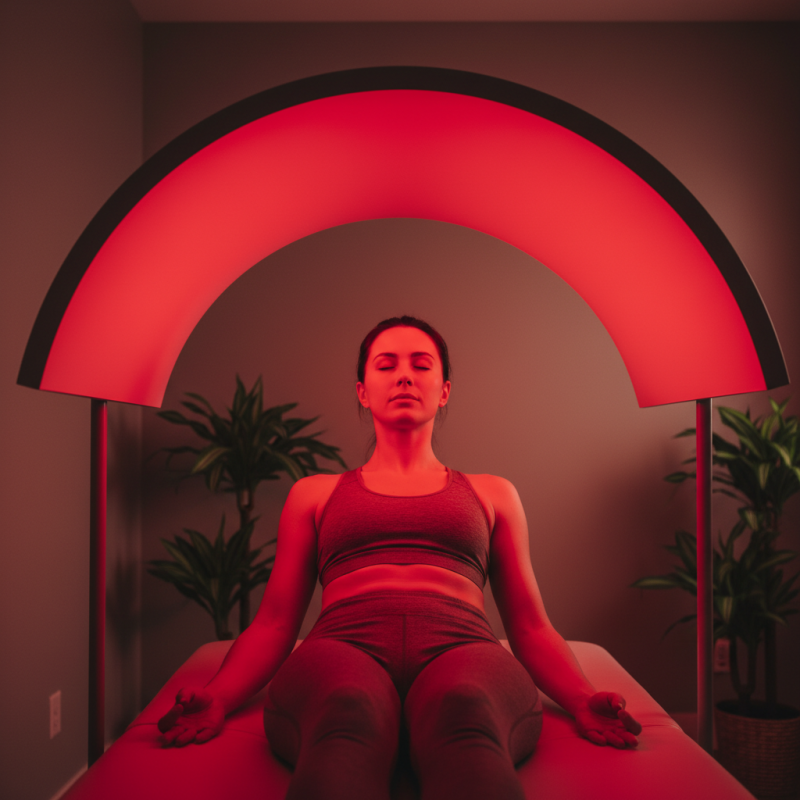
Top 10 Benefits of Red Light Therapy for Wellness

Understanding Red Light Therapy and Its Mechanism of Action

Red light therapy harnesses specific wavelengths of light to promote healing. This non-invasive approach has become popular in wellness circles. It works by stimulating the mitochondria in cells, enhancing energy production. When cells produce more ATP, they can heal and regenerate more effectively. Some studies show improvements in skin texture and reduced inflammation.

The mechanism behind red light therapy involves photobiomodulation. This process initiates a cascade of biochemical reactions. Cells respond to the light, leading to various benefits. For instance, users have reported relief from joint pain and improved muscle recovery. However, results can vary from person to person. Not everyone might experience the same benefits. Consistent use is often necessary for optimal results.

It's essential to approach red light therapy with realistic expectations. While many find it helpful, it may not be a cure-all. Lifestyle factors, such as diet and exercise, also play a crucial role. Therefore, it is wise to consider red light therapy as part of a broader wellness strategy. This balanced perspective allows for more effective use of such therapies.

Key Health Benefits of Red Light Therapy for Skin Rejuvenation

Red light therapy is gaining attention for its potential benefits in skin rejuvenation. Research shows that wavelengths between 600 to 900 nanometers can effectively stimulate collagen production. This process helps improve skin elasticity and reduces the appearance of fine lines. According to a study published in the "Journal of Investigative Dermatology", regular use can enhance skin texture, offering a smoother appearance.

Many individuals report visible improvements after just a few sessions. A 2018 clinical trial found that 80% of participants experienced a reduction in wrinkles after eight weeks of treatment. This indicates that red light therapy is not just a passing trend. It involves cellular response that promotes healing and regeneration.

Additionally, the therapy may assist in conditions like acne and psoriasis. While results can vary, some reports suggest a notable reduction in inflammation. It’s essential to approach these treatments mindfully. Not all skin types respond the same way, and overexposure may lead to sensitivity. Awareness of these variations is crucial for achieving the best outcomes.

Improving Muscle Recovery and Performance with Red Light Therapy

Red light therapy is gaining popularity for enhancing muscle recovery and performance. Athletes frequently seek better ways to heal faster and perform better. This therapy utilizes wavelengths of light to stimulate cellular processes beneficial for recovery.

Studies suggest that red light therapy may reduce inflammation. This could lead to decreased muscle soreness after intense workouts. Many users report noticeable improvements in recovery time. They often feel ready for their next session sooner than usual.

Tips: Consistency is key. Regular sessions can yield the best results. Always listen to your body. Not everyone reacts the same way. Some may require adjustments to their therapy routine.

Individual experiences can vary. While many find relief, others may see minimal effects. It's crucial to approach this method with realistic expectations. Integrating red light therapy alongside traditional recovery methods can be beneficial. Stretching, hydration, and proper nutrition remain essential for optimal performance.

The Role of Red Light Therapy in Pain Management and Inflammation Reduction

Red light therapy (RLT) has gained popularity for its potential in pain management and inflammation reduction. This innovative treatment uses specific wavelengths of light to penetrate skin layers, promoting cellular repair and reducing inflammation. Research indicates that RLT can significantly alleviate pain. A 2021 study found a 70% reduction in pain for patients with chronic conditions using RLT regularly.

Furthermore, RLT has shown promise in addressing localized inflammation. The American Society for Pain Management Nursing reported a notable decrease in swelling and tissue recovery times in patients receiving RLT after injuries or surgeries. One trial indicated a 50% decrease in inflammation levels with just a few sessions. However, responses can vary, and not everyone experiences the same results.

While data supports RLT's benefits, skepticism remains in the broader medical community. Some experts argue that more extensive studies are needed. Conflicting opinions may arise from limited long-term research and varying treatment protocols. This underscores the importance of personalized approaches to therapy. Understanding patient backgrounds and conditions is crucial for optimizing RLT outcomes.

Potential Mental Health Benefits Linked to Red Light Therapy Usage

Red light therapy has garnered attention for its potential mental health benefits. Research indicates that exposure to specific wavelengths of light can influence mood and emotional well-being. A study published in the Journal of Photomedicine and Laser Surgery showed that participants reported significant reductions in anxiety and depressive symptoms after just a few sessions. This suggests that light therapy might provide a natural alternative for mental health support.

Moreover, a report from the National Center for Biotechnology Information highlights how red light could enhance cognitive functions. Improved circulation, due to increased mitochondrial activity, may lead to better brain function. Participants frequently noted enhanced focus and clarity. This expanded focus aligns with findings from the American Psychological Association, where improved mood led to higher productivity levels in workplace settings.

However, results can vary greatly among individuals. Factors such as skin type, duration of exposure, and personal health conditions play crucial roles. Some individuals might not experience the same relief from symptoms. This aspect underscores the importance of further research to refine therapy guidelines. Each person's response to red light therapy could differ significantly, prompting a thoughtful approach to its use in mental health treatments.

dLED: retail LED lighting
Privacy Overview

This website uses cookies so that we can provide you with the best user experience possible. Cookie information is stored in your browser and performs functions such as recognising you when you return to our website and helping our team to understand which sections of the website you find most interesting and useful.