
What Are the Benefits of Color Changing Lights?

Color-Changing Lights have gained popularity in recent years. They bring vibrancy and versatility to any space. With just a click or a touch, you can transform your environment.

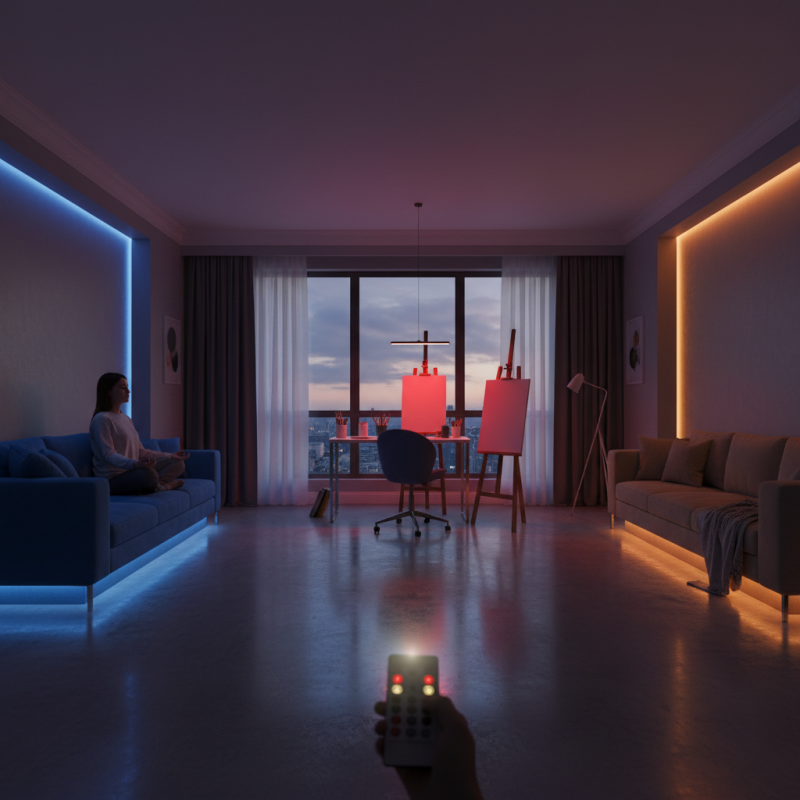
These lights offer various benefits, enhancing moods significantly. For instance, a soft blue can create a calming atmosphere, while a bright red may energize the room. Color-changing lights are not just aesthetic; they also promote well-being. A well-chosen hue can reduce stress or foster creativity.

However, choosing the right color isn’t always easy. People sometimes get overwhelmed by options. It's crucial to reflect on how each color affects your emotions. Experimenting with color-changing lights offers a unique journey. You can discover what truly resonates with you.
What Are the Benefits of Color Changing Lights?

Benefits of Color Changing Lights in Home Décor

Color changing lights can transform your home décor in exciting ways. These lights allow you to create different moods and atmospheres effortlessly. You can set a calming tone with soft blues or energize a space with vibrant reds. This flexibility makes them perfect for any occasion.

Tips: Use color changing lights in your living room for movie nights. Choose warm tones for a cozy ambiance. In your workspace, opt for bright white or cool hues to boost focus. The right color can influence your mood significantly.

In bedrooms, switching colors can create a romantic setting or a soothing escape. You might want to experiment here. These lights can sometimes be too bright or too dim. Finding the perfect setting takes time and patience. Don't hesitate to play around with different shades and intensities.

Enhancing Mood and Ambiance with Color Psychology

Color-changing lights are more than just a trendy home accessory. They can profoundly affect our mood and well-being. According to a report by the American Psychological Association, colors can evoke specific emotional responses. For instance, blue tends to create a sense of calmness, while red might increase energy levels. This suggests that adjusting the lighting can enhance emotional states in various settings.

In workplaces, the right color ambiance can boost productivity. A study from the University of Exeter found that employees in color-rich environments reported a 15% increase in creativity. This highlights the role of color psychology in fostering an inspiring atmosphere.

However, the effectiveness of color changes can vary among individuals. Some may find bright colors distracting, leading to reduced focus. Changing the lighting to suit our mood is simple yet impactful. Using softer hues during relaxation can help ease stress. Meanwhile, vibrant colors can create excitement for gatherings. Yet, it’s important to note that not everyone responds the same way. Personal preferences play a significant role.

Finding the right balance may take time and experimentation. Embracing this journey can lead to a more harmonious living environment.

Energy Efficiency and Cost Savings of LED Color Changing Lights

LED color changing lights have gained popularity for various reasons. One significant advantage is their energy efficiency. Unlike traditional bulbs, LED lights consume less power. This results in lower energy bills at the end of the month. A room illuminated by LED can save you money over time.

When choosing your lighting, consider the type of colors you want. Each color may influence your mood and energy. Soft whites can create a calm ambiance, while vibrant colors can energize a space. Mixing different shades can make your environment dynamic.

Tips: Use a dimmer switch with your LED lights. It enhances the color effect and saves even more energy. Another tip is to schedule your lights. Automating when lights turn on or off can further reduce costs. You may want to experiment with color combinations to find what feels right. This journey may take time, but discovering your ideal setting is rewarding.

What Are the Benefits of Color Changing Lights? - Energy Efficiency and Cost Savings of LED Color Changing Lights

Feature Description Benefit
Energy Efficiency LED color changing lights consume less energy compared to traditional incandescent lights. Lower electricity bills and reduced energy consumption.
Longevity LED lights have a longer lifespan, often lasting up to 25,000 hours. Fewer replacements needed, saving money on maintenance.
Color Versatility Ability to change colors to suit different moods or occasions. Enhanced ambiance and personalization of spaces.
Smart Technology Many LED color changing lights can be controlled via smartphone apps or voice assistants. Increased convenience and control over lighting systems.
Low Heat Emission LEDs emit very little heat compared to traditional lights. Safer and cooler environment, reducing cooling costs.

Versatility of Color Changing Lights for Various Occasions

Color changing lights offer incredible versatility for various occasions. Whether it’s a cozy family dinner or a lively party, these lights can set the mood. They easily adapt to different themes, creating a welcoming atmosphere. For a romantic evening, soft pink or warm white shades work well. Bright colors can energize a gathering with friends.

The magic of these lights lies in their ability to transform a space. Imagine hosting a game night; vibrant greens and blues can enhance the fun. However, one challenge may be finding the right hue for every mood. Certain colors might clash with decor or personal preferences. Sometimes, it takes a few tries to discover the perfect combination.

The usability of color changing lights extends beyond celebrations. They can help with relaxation too. A gentle fade to cooler colors can calm the mind before bedtime. Yet, it’s easy to overlook this when life gets busy. Many people might stick with basic lighting, missing out on the benefits. Experimenting with these lights can lead to unexpected enjoyment.

Impact on Sleep and Relaxation: Choosing the Right Colors

Color changing lights can significantly impact sleep and relaxation. Research shows that color can influence our mood and biological rhythms. For instance, blue light can inhibit melatonin production, making it harder to sleep. In contrast, warmer colors like orange and red promote relaxation and restfulness. A study from the National Sleep Foundation highlights how proper color choices can enhance sleep quality.

When designing a space for relaxation, consider your color palette carefully. Soft, muted colors can create a soothing atmosphere. Bright, bold colors might stimulate energy but can also add stress. Warm whites, soft blues, and gentle greens are often recommended for bedrooms. They help in winding down after a long day, creating a tranquil environment.

Tips: Choose lights that can be dimmed. Dimming the lights in the evening can mimic the sun setting, signaling your body to prepare for sleep. Implement a routine where you switch to calming colors an hour before bed. This simple adjustment can make a noticeable difference. Don't overlook the surrounding decor and how it complements your lighting choice. It all plays a role in your overall relaxation experience.

dLED: retail LED lighting
Privacy Overview

This website uses cookies so that we can provide you with the best user experience possible. Cookie information is stored in your browser and performs functions such as recognising you when you return to our website and helping our team to understand which sections of the website you find most interesting and useful.