
Top 10 Benefits of Using Aluminium Casting Mold for Production?

When it comes to modern manufacturing, the use of an Aluminium Casting Mold is becoming increasingly popular. These molds are known for their versatility and efficiency in producing high-quality parts. With advancements in casting technology, industries are now reaping numerous benefits from using aluminium molds. They not only enhance production speed but also ensure durability in the final products.

Utilizing Aluminium Casting Molds allows manufacturers to create intricate designs that are both lightweight and strong. These molds provide excellent thermal conductivity, which plays a vital role in maintaining quality during the casting process. Furthermore, aluminium's resistance to corrosion increases the lifespan of the products. Despite these advantages, some may overlook the initial investment in high-quality molds, which can result in long-term gains.

Analysing the implications of switching to Aluminium Casting Molds reveals the need for strategic planning. It can be a significant shift for manufacturers accustomed to traditional materials. However, understanding and adapting to these changes can lead to superior production outcomes. As industries evolve, embracing innovative tools like aluminium molds becomes essential for staying competitive.
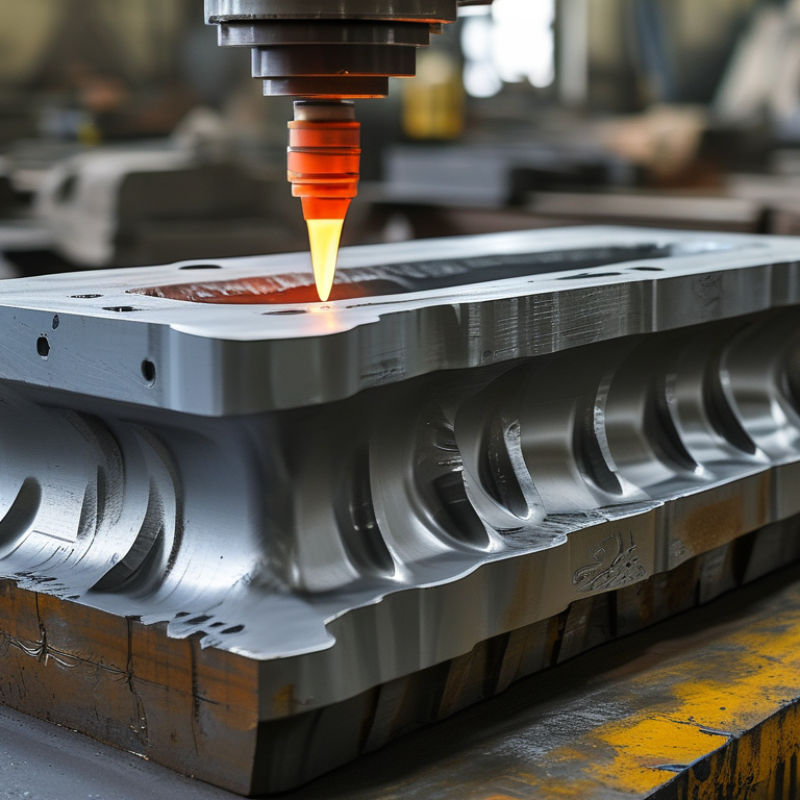
Top 10 Benefits of Using Aluminium Casting Mold for Production?

Advantages of Aluminium Casting Molds in Industrial Production

Aluminium casting molds are gaining recognition in the industrial sector for their numerous benefits. One significant advantage is their lightweight nature, which can reduce shipping costs by up to 15%. Additionally, aluminium molds offer excellent thermal conductivity. This property allows for faster cooling times and reduces production delays. According to industry reports, faster cooling can boost productivity by 20% in high-volume manufacturing.

Moreover, aluminium molds exhibit high resistance to corrosion and wear, extending their lifespan significantly. A study from the Aluminium Association suggests that these molds can last up to 30% longer than traditional steel molds under similar conditions. This durability not only enhances production efficiency but also minimizes downtime for repairs. However, the initial investment in aluminium molds can be substantial. Manufacturers must consider the long-term savings in maintenance and operational costs.

While there are clear advantages, not all production environments favor aluminium casting. High temperatures can affect the mold's integrity. Some businesses may find it challenging to adapt to these materials. They must weigh the benefits against the potential need for more frequent replacements. Understanding these factors is essential in making informed decisions about mold choices in industrial production.

Cost Efficiency of Aluminium Molds Compared to Other Materials

Aluminium casting molds present significant cost efficiency advantages over other materials. The initial investment in aluminium may be higher than some options. However, due to its durability, the long-term savings become apparent. According to industry reports, aluminium molds can last up to five times longer than those made from resin-based materials. This longevity translates into reduced production costs over time.

Furthermore, the lightweight nature of aluminium allows for easier handling and faster production speeds. Studies show that companies can achieve up to a 20% reduction in production time by using aluminium molds. This efficiency also contributes to lower labor costs, making aluminium a smart choice for many manufacturers.

Tip: Regular maintenance of aluminium molds can extend their lifespan even further. Simple cleaning and inspection can avoid costly replacements.

It’s worth noting that while aluminium offers many benefits, it requires careful temperature management. Overheating can cause warping, leading to inconsistencies in the final product. It's crucial to establish an optimal temperature range during mold operation.

Tip: Invest in temperature control systems to enhance mold performance and reduce the risk of defects. These systems can optimize output while minimizing waste.

Top 10 Benefits of Using Aluminium Casting Mold for Production

Benefit Description Cost Efficiency (%)
Durability Aluminium molds are robust and can withstand high production volumes. 30%
Lightweight Easier handling and setup compared to heavier materials. 25%
Heat Conduction Excellent heat transfer properties enhance casting quality. 15%
Rapid Production Short lead times allow for quicker market entry. 20%
Versatility Can produce complex shapes and designs with precision. 10%
Corrosion Resistance Long-lasting molds with minimal maintenance needed. 15%
Cost-Effective Lower initial investment compared to steel molds. 25%
Recyclability Aluminium is highly recyclable, reducing waste and costs. 20%
Energy Efficiency Lower energy consumption during the casting process. 15%
Surface Finish Provides excellent surface finish enhancing product quality. 10%

Improved Accuracy and Precision in Casting Processes

Aluminium casting molds are revolutionizing the production process. Improved accuracy and precision are among the foremost benefits they offer. When using these molds, manufacturers notice a significant reduction in defects. This leads to a more efficient production cycle. Each cast is consistent, which enhances overall product quality.

The precision of aluminium molds allows for intricate designs. Complex features can be achieved with minimal tolerance issues. This is especially beneficial in industries requiring high standards, such as aerospace and automotive. However, achieving this level of precision does come with challenges. Molds require meticulous maintenance and careful handling. Improper care can lead to wear and degrade performance.

Additionally, while aluminium molds are cost-effective in the long run, the initial investment can be daunting. Companies must weigh their options wisely. Using these molds does demand a commitment to continuous monitoring. This ensures that accuracy and precision are maintained over time. Overall, while there are hurdles, the benefits of enhanced production accuracy are undeniable.

Enhanced Durability and Longevity of Aluminium Casting Molds

Aluminium casting molds offer enhanced durability and longevity, making them a preferred choice in various industries. Unlike other materials, aluminium is resistant to corrosion and can withstand high temperatures. A report by the Aluminium Association indicates that aluminium can retain its mechanical properties at temperatures up to 200°C, making it ideal for diverse applications. This heat resistance contributes to longer service life, reducing the need for frequent replacements.

Using aluminium molds also leads to fewer defects in casting. Their robust nature ensures they maintain shape and integrity under pressure. According to a study published in the International Journal of Cast Metals Research, defects can reduce production yield by as much as 20%. With aluminium molds, manufacturers often see improved quality, ensuring a better return on investment.

However, there are challenges. Initial production costs can be higher compared to other materials. This factor can be a concern for small-scale operations. Additionally, some manufacturers underestimate the importance of proper mold care. Neglecting maintenance can compromise mold lifespan. Regular inspection and upkeep are essential for maximizing the benefits of aluminium casting molds.

Environmental Benefits of Using Aluminium for Casting Applications

Aluminium casting offers significant environmental benefits, making it a favored choice in manufacturing. One notable advantage is its recyclability. Unlike many materials, aluminium can be recycled indefinitely without losing quality. This means less waste and reduced energy consumption in production.

The energy required to melt recycled aluminium is 95% less than that needed for primary production. This reduction in energy usage directly translates to lower carbon emissions. It supports a circular economy, where materials are reused efficiently. Moreover, using aluminium helps reduce the demand for raw materials, further protecting natural resources.

However, the production process still has its challenges. Mining bauxite for aluminium can be ecologically damaging. It’s vital to continue exploring sustainable mining practices. Finding a balance between production needs and environmental protection is crucial. Continuous reflection on these methods will help ensure a greener future in casting applications.

dLED: retail LED lighting
Privacy Overview

This website uses cookies so that we can provide you with the best user experience possible. Cookie information is stored in your browser and performs functions such as recognising you when you return to our website and helping our team to understand which sections of the website you find most interesting and useful.