
2026 Top Recessed Downlight Trends for Global Buyers

As we approach 2026, the demand for Recessed Downlights continues to rise. Industry expert Dr. Jane Thompson emphasizes, "The future of lighting is in the seamless integration of recessed downlights." This statement highlights the growing importance of these fixtures in modern design.

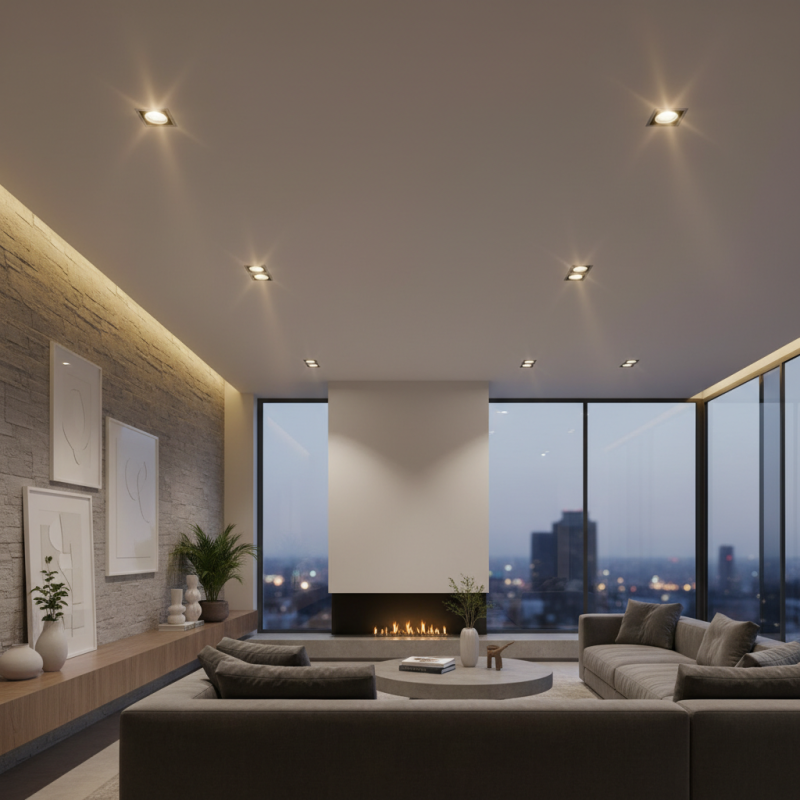
Recessed downlights not only provide effective illumination but also enhance aesthetic appeal. Designers are increasingly favoring them for their ability to blend into ceilings, creating a clean look. A perfect example is in contemporary homes, where recessed downlights subtly spotlight artworks or architectural features without being intrusive.

However, it’s crucial to reflect on the challenges in this evolving market. Consumers often face overwhelming choices, complicating their decision-making process. Additionally, ensuring energy efficiency while maintaining design integrity is a balancing act that requires careful consideration. As we explore the top trends for global buyers, the focus will be on innovation that meets these diverse needs.
2026 Top Recessed Downlight Trends for Global Buyers

Emerging Technologies in Recessed Downlight Design for 2026

As we move into 2026, emerging technologies are transforming recessed downlight design. Smart lighting solutions are leading this change. These systems now offer remote control through smartphones. User-friendly interfaces allow customization of brightness and colors. Such flexibility helps create desired moods in various settings.

Energy efficiency is another key focus. Innovations in LED technology are prolonging lifespan while reducing power consumption. New designs are more compact, making installation easier in tight spaces. However, the rapid evolution raises questions about compatibility with existing fixtures. As homeowners upgrade, ensuring seamless integration is crucial.

Tips for choosing recessed downlights: check for energy ratings. Look for compatibility with smart home systems. Consider the room's purpose before selecting brightness levels. Reflecting on these choices can lead to better lighting experiences. Staying informed about the latest trends will empower buyers to make wise decisions in 2026 and beyond.

2026 Top Recessed Downlight Trends for Global Buyers

Trend Identifier Description Expected Benefits Technology Type Market Impact
Smart Connectivity Integration with smart home systems for seamless control. Improved energy efficiency and user control. IoT Technology High demand in residential and commercial sectors.
Energy Harvesting Use of solar panels or kinetic energy systems. Reduced energy costs and increased sustainability. Renewable Energy Technologies Positive impact on environmentally-conscious buyers.
Advanced Optics Innovative lens designs to improve light distribution. Enhanced lighting quality and reduced glare. Optical Engineering Greater adoption in design-focused projects.
Flexible Design Modular fixtures that can be adjusted for different uses. Versatility in installation and adaptability to spaces. Modular Technology Appealing to varying customer needs and aesthetics.
Human-Centric Lighting Lighting solutions that adapt to human circadian rhythms. Improved well-being and productivity. Lighting Control Systems Increasing interest in workplaces and wellness facilities.

Sustainability Trends Shaping the Downlight Market

The downlight market is embracing sustainability like never before. Reports indicate that nearly 40% of global buyers prioritize eco-friendly products. This shift stems from increasing environmental concerns and regulatory pressures. Lighting accounts for about 19% of global electricity consumption. Therefore, improving energy efficiency is crucial.

Innovations in LED technology are at the forefront of this transformation. LEDs typically consume up to 75% less energy compared to traditional lighting. By 2026, industry experts anticipate a significant rise in demand for energy-efficient recessed downlights. Features like smart controls and adaptive lighting contribute to lower energy usage. These advancements highlight the industry's commitment to sustainability.

However, the transition isn't without challenges. Some manufacturers struggle with the higher upfront costs of sustainable materials. There is also a lack of awareness among consumers about the long-term benefits of sustainable lighting solutions. Education remains key to overcoming these hurdles. As the market evolves, buyers will need to balance economic factors with the pressing need for environmental responsibility.

2026 Top Recessed Downlight Trends

This bar chart illustrates the projected growth trends in the recessed downlight market for 2026, emphasizing sustainability aspects such as energy efficiency, materials used, and design innovations.

Innovative Aesthetic Trends in Recessed Lighting Solutions

The landscape of recessed lighting solutions is evolving. Innovative aesthetic trends are becoming increasingly important for global buyers. Designers are blending functionality with artistic elements. The result is a lighting experience that transforms spaces.

Soft curves and unexpected geometries are gaining traction. These shapes add depth and character to ceilings. Visual appeal is prioritized, alongside effective illumination. Color temperature options are expanding as well. Warmer shades are favored for creating cozy atmospheres. Neutral palettes allow flexibility in design.

However, some challenges remain. The integration of technology must not compromise aesthetics. Achieving the right balance is crucial. Additionally, buyers must consider installation and maintenance. Aesthetic choices can sometimes lead to complexity. Reflecting on these aspects will ensure lasting satisfaction.

Global Consumer Preferences Influencing Downlight Choices

As global consumer preferences evolve, they significantly impact downlight choices. A recent industry report indicates that 72% of consumers prioritize energy efficiency in their lighting decisions. This reflects a growing awareness of sustainability and long-term cost savings. Modern buyers are increasingly seeking LEDs, which consume up to 75% less energy than traditional bulbs. These preferences also shape the design and technology of recessed downlights.

The style of downlights is changing too. A survey revealed that 58% of consumers favor minimalistic designs. Sleek, unobtrusive fixtures integrate better into diverse home aesthetics. Color temperature is another key factor. More than 65% of buyers prefer warmer light to create a cozy atmosphere. This shift towards softer lighting showcases a desire for comfort in living spaces.

However, not all preferences align perfectly with industry offerings. Some buyers find the available options limited, often craving more custom solutions. Others express disappointment over the lack of intuitive smart features in affordable models. This disconnect highlights the need for manufacturers to adapt. Addressing these nuances can lead to stronger market connections and enhanced consumer satisfaction.

Energy Efficiency Standards for Recessed Downlights in 2026

In 2026, energy efficiency standards for recessed downlights will be more important than ever. These regulations will push manufacturers to innovate and design lighting solutions that consume less energy. As global awareness of climate change grows, the lighting industry must adapt. Downlights with higher efficiency ratings will become essential for both residential and commercial spaces.

Creating energy-efficient lighting does not come without challenges. Meeting efficiency standards often requires new technology and materials. Manufacturers will need to invest in research and development to stay compliant. Some might struggle with the costs involved in upgrading their products. Consumer education will also play a crucial role. Buyers need to understand the benefits of energy-efficient downlights, not just from an environmental perspective, but also for long-lasting financial savings.

The transition to these new standards may seem daunting. However, it offers a unique opportunity to rethink lighting design. Exploring innovative designs that maximize light output while minimizing energy consumption is key. Emphasizing sustainability in product offerings could differentiate forward-thinking brands in the marketplace. The journey toward energy-efficient recessed downlights is ongoing and requires collaborative efforts from all stakeholders involved.

dLED: retail LED lighting
Privacy Overview

This website uses cookies so that we can provide you with the best user experience possible. Cookie information is stored in your browser and performs functions such as recognising you when you return to our website and helping our team to understand which sections of the website you find most interesting and useful.